De Zerbi's Midfield Overhaul at Tottenham: A New Era Begins
Roberto De Zerbi did not arrive at Tottenham to tinker. He came to tear up an ageing blueprint and lay down a new one, and this summer window has made that brutally clear.
The overhaul started at the back. Marcos Senesi through the door. Andy Robertson on the left. Martin Dubravka in goal. Jan Paul van Hecke added to the centre-back pool. All four arrived as free agents or smart-value deals, the sort of structural work that underpins a new era.
Now the surgery has reached the heart of the team.
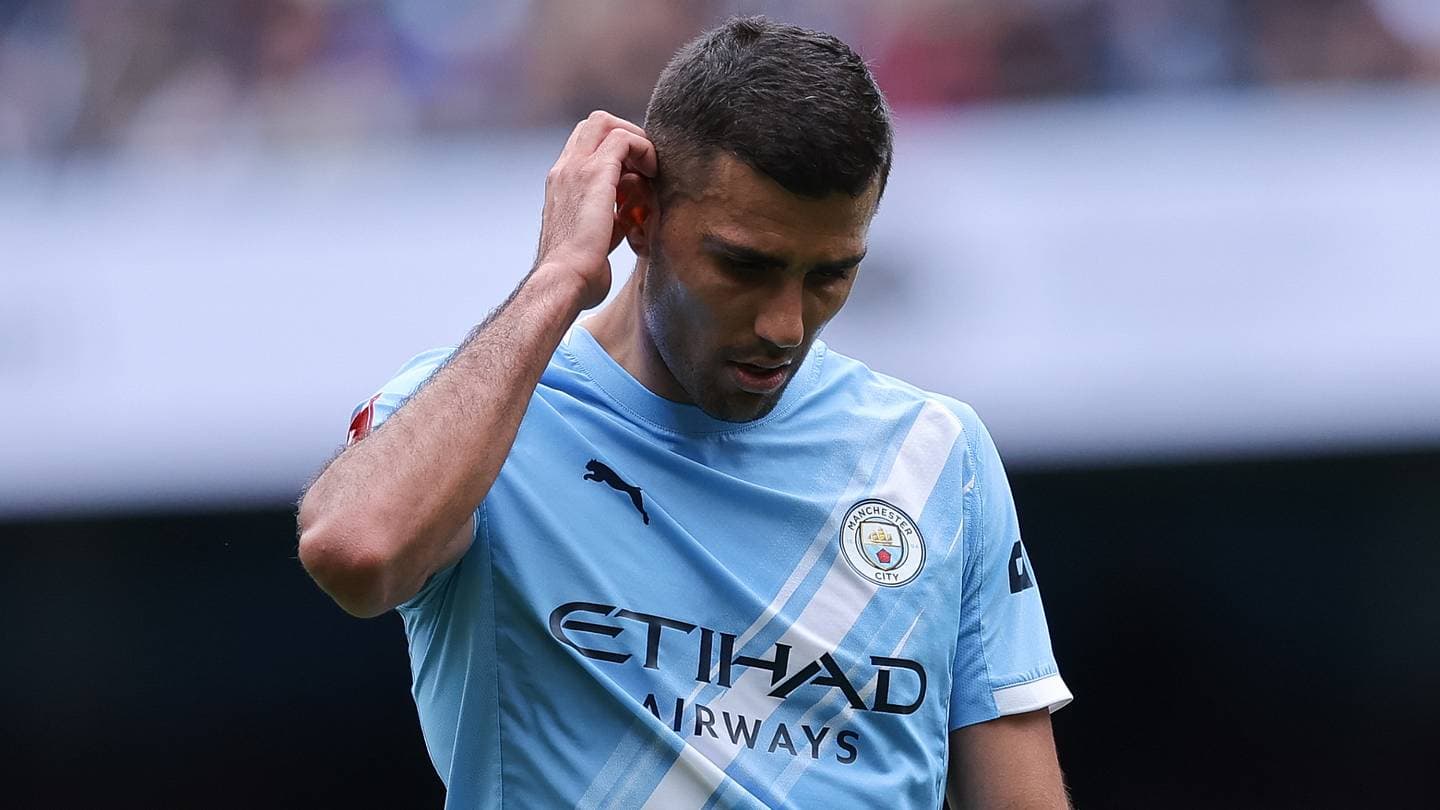
Spurs have moved decisively to land two high-profile central midfielders: Mateus Fernandes from West Ham United and Sandro Tonali from Newcastle United. They are signings with a clear purpose, not just names on a recruitment list.
De Zerbi is a 4-2-3-1 coach by conviction. That double pivot is his control room, the point where his football either thrives or falls apart. With Fernandes and Tonali in, Tottenham’s central midfield has effectively been rebuilt in a single stroke.
The question is not whether he needed it. It is how far these two can drag Spurs towards the football he demands.
De Zerbi’s blueprint: risk, press, and the sudden gear change
De Zerbi’s first seven Premier League games at Spurs were about survival, not ideology. He parked the grand plan just long enough to steer the club away from relegation trouble.
That pause will not last.
His work at Brighton & Hove Albion and Marseille laid out the template. De Zerbi-ball means possession with a purpose, high pressing, and violent shifts in tempo. One moment, his teams lull opponents with short passing at the back. The next, they rip through the lines as if they’ve sprung a counter-attack from nowhere.
The defining mechanic is “press-baiting”: inviting the opposition on, drawing them into a trap with rehearsed passing patterns, then slicing through the space they vacate. It is high-risk, high-reward football that demands nerve, technique and aggression in equal measure.
Stylistically, it drags Spurs away from the more measured, structured Thomas Frank era and back towards the front-foot chaos of Ange Postecoglou’s peak months. The data backs that up. De Zerbi’s 2022/23 Brighton side and Postecoglou’s 2023/24 Spurs both sat in the same zone of Opta’s stylistic maps: high direct speed upfield, plenty of passes per sequence. They could play through you patiently or punch straight through you in seconds.
To play that way, the midfield cannot be passive. De Zerbi needs players who can press with venom, take the ball under pressure with one touch, then punch vertical passes through the lines when the moment comes. At Brighton, that balance came from Alexis Mac Allister and Moises Caicedo – a pair now starring at Liverpool and Chelsea.
In north London, Fernandes and Tonali have been hired to recreate that axis.
Why these two? The numbers tell the story
Stack Fernandes and Tonali against Spurs’ most-used central midfielders from 2025/26 and the logic of the recruitment jumps out.
De Zerbi’s football feeds off pressure high up the pitch. Conor Gallagher, used as an attacking midfielder late last season, became vital because of his relentless pressing and ability to force turnovers. Now the Italian wants that same ferocity deeper in midfield.
League-wide data from 2025/26 shows exactly where Tonali and Fernandes sit: among the Premier League’s better performers for high turnovers and ball recoveries. The top-right of that particular graph is reserved for players who win the ball back high and often. De Zerbi has gone shopping in that corner.
On the ball, the picture is even clearer. Look at final-third entries and passing accuracy and the new pair again occupy that top-right territory. They complete more passes and more entries into the final third than most of their peers – and crucially, more than Spurs’ regulars from last season.
The raw numbers underline it:
- Tonali: 13.24 final-third passes completed per 90, 16.81 forward passes, 84.8% open-play pass accuracy, 0.53 possessions won in the final third.
- Fernandes: 10.30 final-third passes, 12.65 forward passes, 87.8% accuracy, 0.51 possessions won in the final third.
Compare that to Pape Sarr, Archie Gray, Joao Palhinha and Rodrigo Bentancur and the gap appears. The current crop offer energy and industry, but not the same blend of progressive passing and high regains.
Then comes the telling comparison: De Zerbi’s Brighton pair at their peak.
- Mac Allister: 14.16 final-third passes, 14.16 forward passes, 87.0% accuracy, 0.90 possessions won in the final third.
- Caicedo: 14.22 final-third passes, 15.62 forward passes, 88.7% accuracy, 0.57 possessions won in the final third.
Fernandes and Tonali do not quite match those numbers, but they live in the same statistical neighbourhood. That is not an accident. It is a profile match.
Fernandes: the creator in a double pivot
Fernandes arrives as the more creative of the two. He can hit long, raking diagonals, thread sharp through-balls, or carry the ball past the first line with a dribble. His skill set leans towards a No 10, dropped into a deeper role.
The creative output backs that up. In 2025/26, he created 32 chances and attempted 31 take-ons, outstripping or matching most of Spurs’ central options:
- Sarr: 11 chances, 22 take-ons attempted.
- Gray: 8 and 16.
- Palhinha: 8 and 23.
- Bentancur: 10 and 32.
These numbers came in a West Ham side that played on the cautious side and ultimately went down. Put that same player into a proactive, front-foot De Zerbi system and the ceiling rises. He will see more of the ball, higher up the pitch, with more runners ahead of him.
In De Zerbi’s 4-2-3-1, Fernandes is the one you expect to step into half-spaces, link with the No 10 and wide players, and punch passes between the lines once the press has been lured in. He gives Spurs a technical and creative edge in an area that has too often been functional.
Tonali: the destroyer who plays forward
Tonali is the other half of the equation. He is not just a ball-winner; he is a ball-winner who looks forward.
In De Zerbi’s Brighton side, Caicedo was the reference point: a destroyer who could snap into tackles, then immediately feed the next phase with a progressive pass. At Spurs, Tonali is being asked to fill that role, blending the defensive instincts of Palhinha or Bentancur with a more assertive mindset on the ball.
His numbers hint at that balance. High volumes of forward passes, strong final-third involvement, solid open-play accuracy, plus a healthy rate of possessions won in the final third. He does the dirty work, but he does not stop there.
In De Zerbi’s structure, Tonali will likely sit slightly deeper than Fernandes, screening the back line, stepping into duels, and driving the first pass into midfield or out wide once the ball is recovered. When Spurs spring from their “press-baiting” phase, he is the one expected to fire the first vertical pass that breaks the game open.
The new heartbeat of De Zerbi’s Spurs
Beyond the data, there is a clear thematic fit. De Zerbi wants urgency. He wants forward thrust. He wants players who do not wait for the game to come to them.
Fernandes and Tonali embody that mindset. Both are comfortable taking responsibility, both play on the front foot, both fit the aggressive, high-tempo identity the Italian is trying to impose.
For Spurs, this is not just a midfield refresh. It is a statement about what they want to be under De Zerbi: brave on the ball, ruthless without it, and constantly looking to drive the game towards the opposition goal.
The rebuild has started at the back and surged into midfield. If this is the tone being set in July, the real question is how far this new engine room can push Tottenham once the season starts and the risk-reward of De Zerbi-ball is unleashed in full.