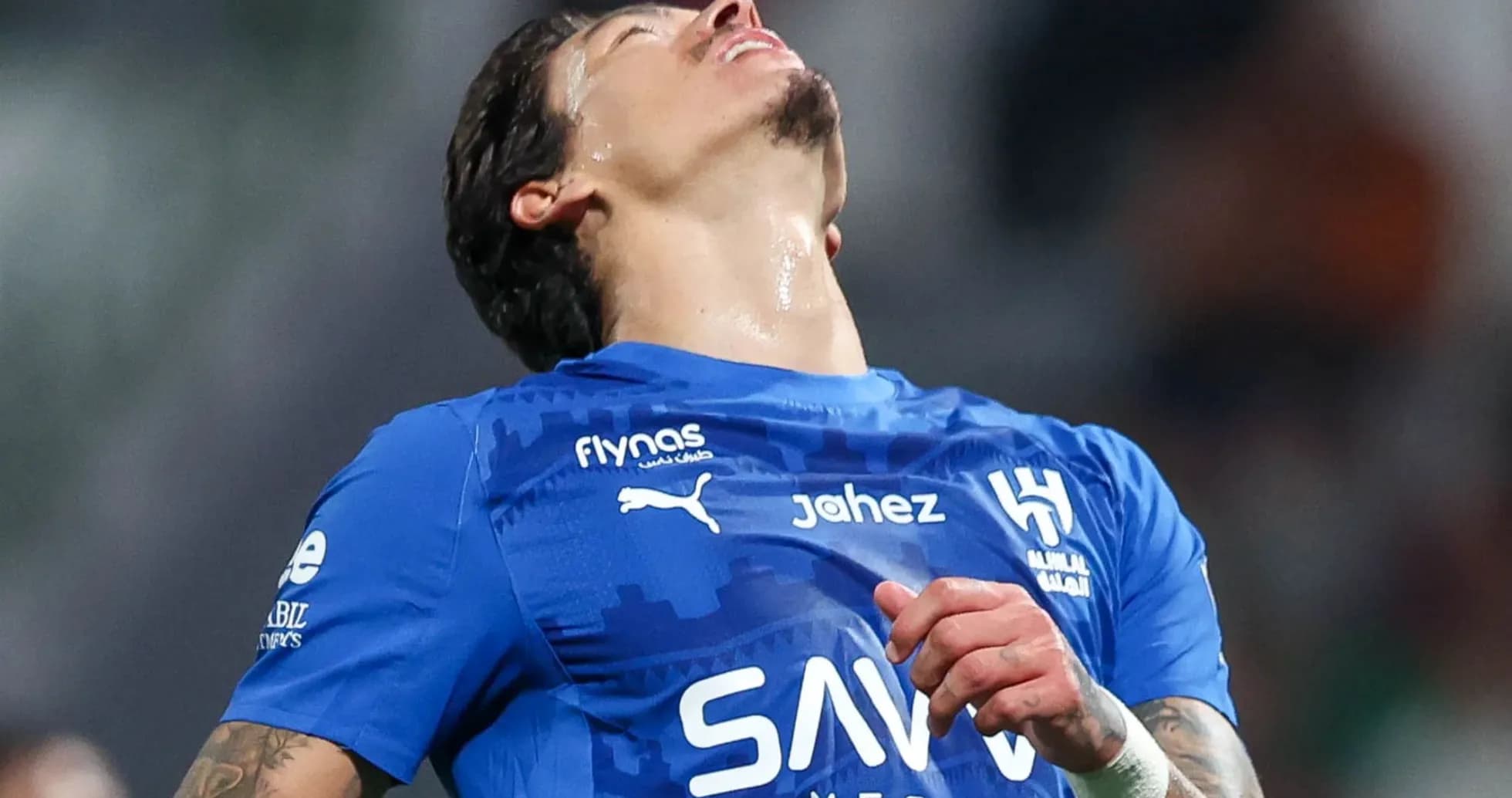
Darwin Nunez's Saudi Arabia Exit: What Happened?
Darwin Nunez arrived in Saudi Arabia as a statement signing. He is leaving as a free agent, a stark symbol of how quickly a high‑profile project can unravel.
Al Hilal paid €53 million to prise him from Liverpool last summer, a sizeable outlay even in the current Saudi landscape. Liverpool had once imagined a very different trajectory for the Uruguayan, agreeing a deal with Benfica that could have climbed to £85m around four years ago. Now, with his contract effectively written off and his registration gone, he is walking away for nothing.
And he may not be walking alone for long. Newcastle United and Chelsea are already circling, tracking a situation that has flipped from long-term commitment to sudden opportunity in less than a year.
Squeezed Out by the Numbers – and by Benzema
The decision at Al Hilal was brutal but simple. Nunez did not lose his place because of a training-ground row or a disciplinary breach. He lost it to a rulebook and a Ballon d’Or winner.
The Saudi Pro League allows each club 10 foreign players, with only eight over the age of 20 and two under-20s. When Karim Benzema arrived at Al Hilal in the winter window, something had to give. The club chose Nunez.
His Saudi Pro League playing papers were withdrawn. Overnight, he went from marquee signing to surplus asset.
The numbers did not rescue him. Nunez’s return – nine goals and five assists in 22 appearances – was respectable but never truly dominant. For a forward brought in on a major fee, it fell short of the transformative impact Al Hilal had banked on.
Then Benzema walked through the door.
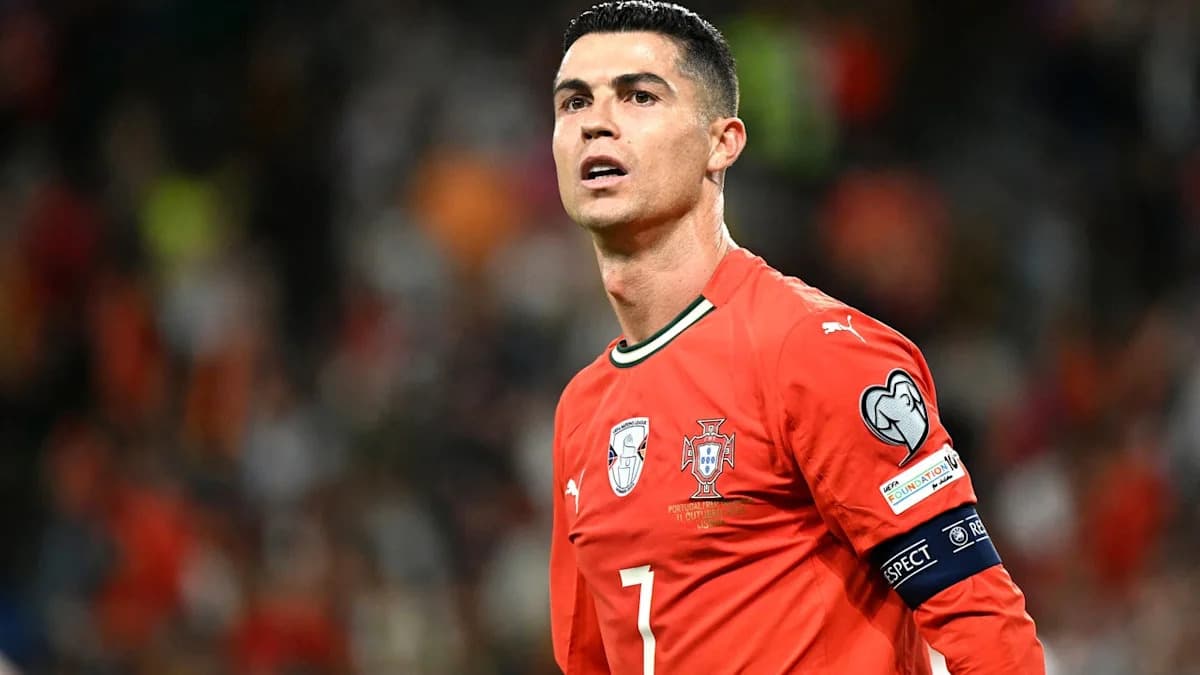
Since his February arrival, the Frenchman has matched Nunez’s nine goals and five assists, and he has done it in 10 fewer games. That contrast sharpened the club’s view. One was indispensable, the other expendable.
The pressure finally told. Faced with a rigid foreign-player cap and a global star hitting stride, Al Hilal cut their losses with a speed that still feels ruthless.
World Cup Clock Ticking
For Nunez, the timing could hardly be worse.
The World Cup looms this summer, and the 26-year-old has not played a competitive club match since 16 February. For a forward whose game relies on rhythm, timing, and confidence, that is a long time to live off training sessions and memories.
His last meaningful club contribution came in the AFC Champions League group stage. In his final eligible appearance, he struck twice, a reminder of the power and penalty-box presence that once persuaded Liverpool and Al Hilal to invest so heavily. It did not buy him a reprieve.
By the time Al Hilal reached the round of 16 in April, Nunez was out of the squad entirely. The team went out; he watched on, his own international prospects dimming with every missed minute.
Uruguay have not turned their back on him, but the tone has changed. In friendlies against England and Algeria at the end of March, he came off the bench late in both games. Cameos, not centrepiece. Those appearances should at least secure him a place in the World Cup squad, yet the hierarchy up front is no longer built around him.
Premier League Door Reopens
So where next?
A free transfer changes the equation for a lot of clubs. Newcastle United, pushing to stay among the Premier League’s elite, and Chelsea, still searching for a reliable focal point in attack, are both monitoring developments. Nunez’s wages and adaptation will be talking points, but the absence of a fee turns a once-expensive gamble into a calculated risk.
The talent has never really been in doubt. His time at Liverpool showed flashes of chaos and brilliance in equal measure. His stint at Al Hilal has underlined how fragile status can be when form, rules, and timing collide.
What comes now is a career crossroads. A free agent at 26, fighting for a World Cup role, watched by clubs who know exactly what he cost not so long ago.
If he does return to the Premier League, the question will not be whether Darwin Nunez can handle the stage. It will be whether this jolt in Saudi Arabia has sharpened his edge enough to finally own it.