Daniel Levy Reflects on Tottenham's Relegation Fight
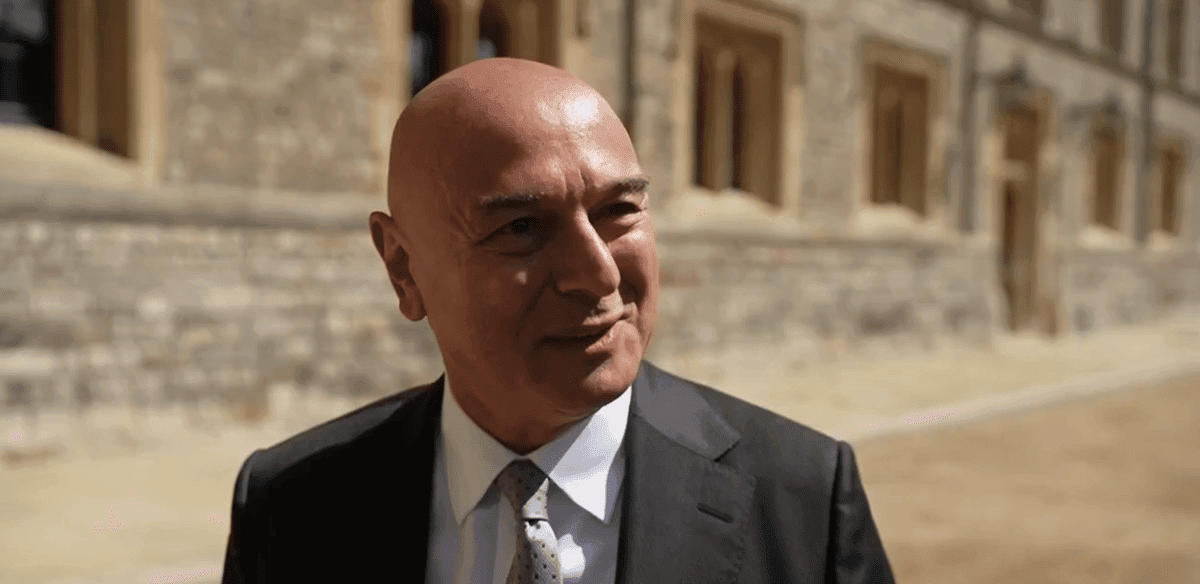
Daniel Levy stands on Windsor Castle’s immaculate gravel, medal on his lapel, and talks about something far less regal: a relegation fight he never imagined Tottenham Hotspur would be in.
“It’s been very, very difficult – Spurs is in my blood. I could never have envisioned this at the beginning of the season,” he says. The words hang heavy, because this is the man who shaped the modern Tottenham, now watching from the outside as the club peers over the edge.
Levy’s shock at Spurs’ slide
Tottenham sit just two points above the relegation zone with two games left. Monday night’s draw at home to Leeds did nothing to ease the anxiety. It did something else instead: it kept West Ham interested.
If the Hammers beat Newcastle this weekend, Spurs will drop into the bottom three before they even kick a ball at Stamford Bridge next Tuesday. A London club that once chased titles and Champions League nights now stares at the very real possibility of a final-day scrap for survival.
Levy, ousted in September after almost 25 years as executive chairman, admits he did not see this coming. The decision to remove him was taken by members of the Lewis family, the club’s majority owners, who felt the on-pitch return had not matched the scale of the off-pitch project.
He has not walked away emotionally. Far from it.
“I’m feeling the pain but I’m optimistic that we’ll get through it,” he tells Sky Sports. “I still watch every single game.” Then the line that will chill supporters as much as it will comfort them: “Obviously incredibly disappointed. Let’s look forward and very much hope that next season we’re still in the Premier League.”
From European dreams to survival mode
Spurs finished 17th last season under Levy, but the league position came with context. The club had gambled on the Europa League, throwing its energy at a European trophy while allowing domestic form to drift. Risky, but at least there was a plan.
This season offers no such caveat. No cup run to point to, no grand strategy to justify the league table.
Thomas Frank began the campaign and stumbled. Igor Tudor followed and fared no better. Between them they oversaw a run of results that dragged Tottenham deep into trouble, stripping away the aura of a club that used to talk about closing the gap to England’s elite.
Only when Roberto De Zerbi arrived did the slide slow. Under him, Spurs have taken eight points from their last four matches. It is a flicker of form, not yet a surge, but it has kept them above the line.
The fixtures, though, are unforgiving. After Stamford Bridge comes Everton at home on the final day. That could be the match that decides whether this season becomes a historical footnote or a scar.
“I’m always optimistic, I pray every day that we will [survive],” Levy says. There is no talk of style, identity or long-term vision. Just survival.
Stamford Bridge shadows
Levy knows exactly what awaits at Chelsea. Not just a rival, but a ground that has haunted Tottenham for generations.
“Always tough, never a good place for us,” he admits. The numbers back him up. Spurs have won just once in the league at Stamford Bridge in the last 36 years. He has sat through many of those defeats, watching managers and squads change while the outcome rarely did.
“Hopefully this year is going to be different,” he adds. Hope, again. Not expectation.
West Ham’s controversial defeat to Arsenal still lingers in the background of the relegation picture, but Levy refuses to be drawn into wider debates.
“It’s interesting getting into individual games but all I’m focused on is making sure Tottenham stay in the Premier League,” he says. The table, not the talking points, now defines everything.
Honour at Windsor, anxiety in N17
Levy’s appearance at Windsor Castle should have been a clean, celebratory moment. He was made a CBE by the Prince of Wales for services to charity and the community in Tottenham: support for education, health, social inclusion, and job creation through the stadium project.
He has always argued that the club’s vast new home was about more than matchdays, that it would anchor regeneration in the area. On this day, the state recognises that work.
Yet even here, football intrudes. Levy reveals he spoke with Prince William, an Aston Villa supporter, about Spurs’ precarious position.
“I thanked him for allowing us (Tottenham) to beat Aston Villa when we played them a few weeks ago,” Levy says with a wry smile. “He wished us luck the rest of the season, very much hoping that Tottenham survive in the Premier League.”
The conversation underlines the surreal contrast: a man honoured for building something substantial off the pitch, while the team that plays inside that stadium fights to avoid catastrophe on it.
Legacy under the microscope
Reflecting on his time in charge, Levy does not hide what he wanted.
“What I would have hoped for is winning the Premier League, winning the Champions League… easier said than done,” he tells the Press Association.
The stadium stands as his monument. So does the training ground. The commercial deals, the global profile, the long list of elite coaches who passed through the door. Yet all of it is now framed by a single, stark question: can Tottenham, in the season after his departure, avoid an historic relegation?
That answer will not come from a royal investiture or a boardroom decision. It will come from two games, 180 minutes, and a squad trying to ensure that “Spurs in my blood” does not become a line associated with a fall no one at the club ever thought possible.