Cristiano Ronaldo Should Step Back from Portugal's National Team and Consider Retirement
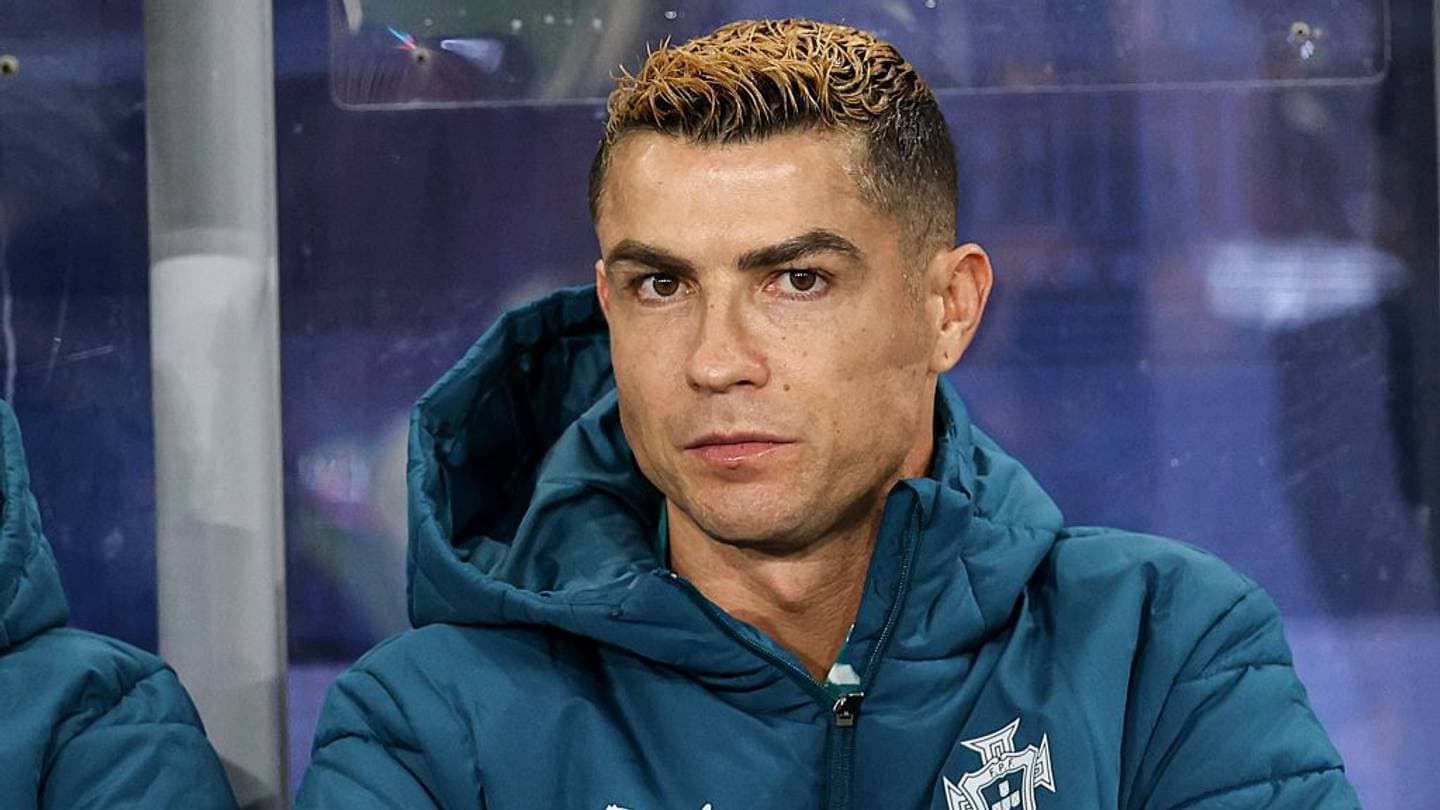
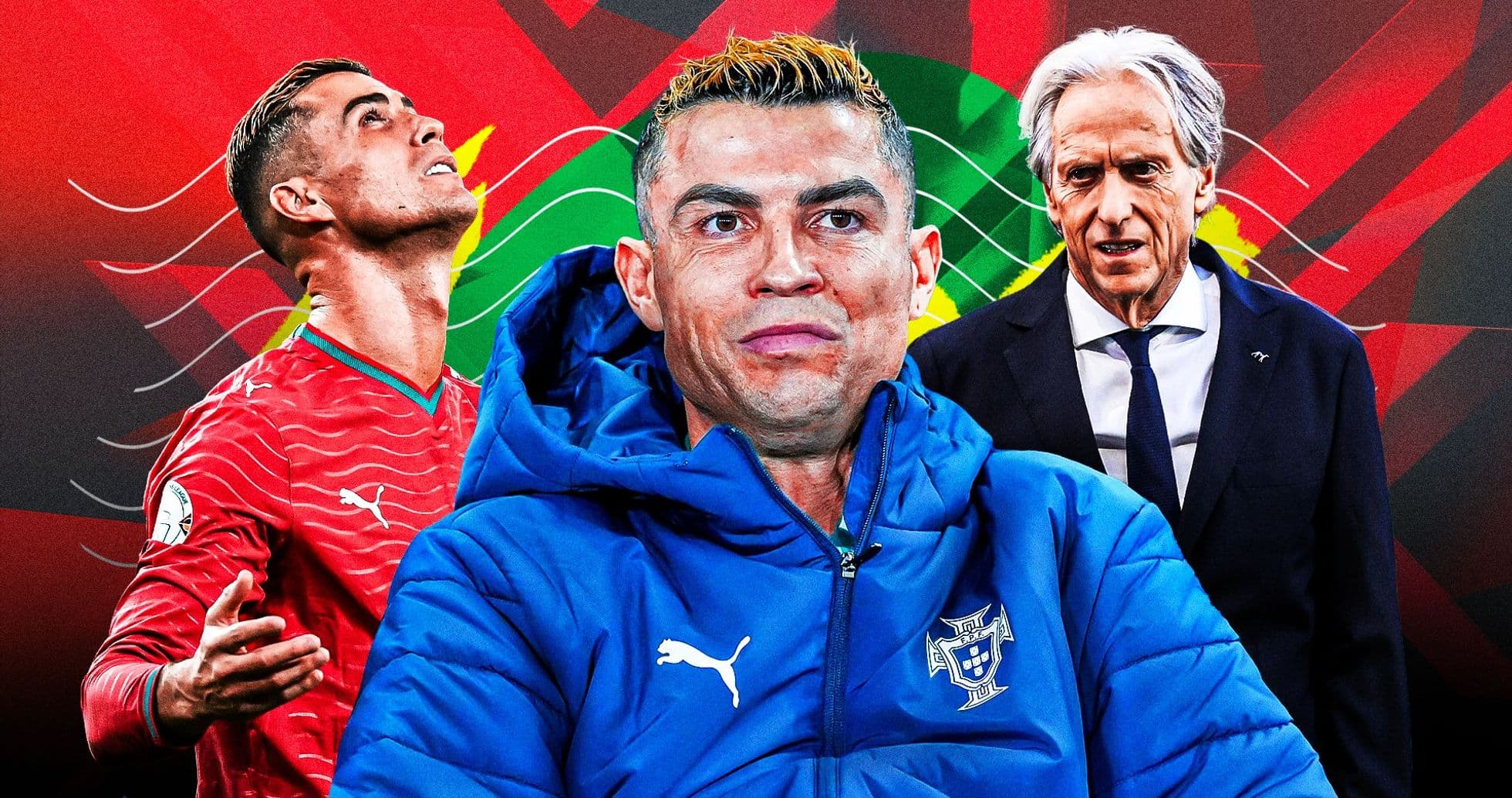
For the past four years, Cristiano Ronaldo has been more of a burden than an asset to Portugal's national team. His time as an automatic starter seems to be ending, and it might be wise for him to retire from international football, following the example set by Lionel Messi.
Recent Comments on Future Plans
Before Portugal's Nations League match against Wales, Ronaldo was asked if he had considered retiring after the 2026 World Cup. He admitted he had thought about it but intended to continue because he believes he can still help the team, not only by scoring goals but also by supporting younger players off the pitch.
Yet his recent performances tell a different story. Across three major tournaments, he has scored just a handful of goals: one in five matches at the 2022 World Cup, none in five games at Euro 2024, and three at the 2026 World Cup, two against a weak Uzbekistan side and a penalty in a controversial knockout win over Croatia.
Declining Impact on the Field
Ronaldo was ineffective in key games against Morocco, France, and Spain that led to Portugal’s elimination. Despite this, the team’s playstyle still revolves around him, with teammates often forced to provide service and run on his behalf. This made sense when he was at his peak, but that period ended around 2018.
His record remains extraordinary with 146 goals in 234 appearances, yet watching him struggle now is disheartening. At 41, time has caught up even with a player of his caliber. Fortunately, Portugal’s new coach seems ready to put the team ahead of Ronaldo’s ego.
A New Approach Under Jorge Jesus
Jorge Jesus, who coached Ronaldo at Al-Nassr last season, understands his strengths and limits. While Ronaldo helped win the Saudi Pro League title with 28 goals, Jesus made it clear Ronaldo would not be guaranteed playing every minute for Portugal.
Jesus said, "If he will play the games, it is up to the manager to decide." Such frankness is rare compared to previous managers, showing a shift in how Ronaldo’s role is viewed.
Ronaldo accepted this new arrangement with his usual confidence, claiming he will leave if he feels he no longer contributes. He emphasized his legacy and the love he receives from fans, stating he feels good and appreciated despite criticism.
Recent Performances Highlight Challenges
In the Nations League opener against Wales, Ronaldo had seven shots but only two were on target, missing a close-range volley and having a goal ruled out for offside. After 68 minutes, Jesus substituted him for Goncalo Ramos, citing Ronaldo’s inability to keep up defensively or offer much offensively.
Jesus explained, "The match demanded this change. I wanted a quick player who could press better. Cris couldn’t do it anymore." This honesty contrasts with Ronaldo's declining influence.
Omission from Norway Match
Three days later, Jesus surprised many by leaving Ronaldo out entirely for the game in Norway—his first competitive international absence in over 18 years. Portugal won 2-1, with Ramos scoring twice. Ronaldo’s absence was barely noticed on the pitch.
Although Ronaldo appeared engaged on the sidelines, he left immediately after the final whistle, avoiding interaction with supporters. Jesus noted he had planned to bring Ronaldo on but decided against it to maintain balance and momentum.
Goncalo Ramos Brings Vital Qualities
Ramos, AC Milan's record signing, offers mobility and technical skill that Ronaldo no longer provides. He presses defenders, stretches defenses with his runs, and links play well, fitting Jorge Jesus’s high-intensity style.
In contrast, Ronaldo now waits mostly as a poacher inside the box, relying heavily on crosses. In major matches, this limits Portugal’s options and holds the team back.
Legacy and Next Steps
If Ronaldo could accept a reduced, impact substitute role, he might still add value. But such a position seems awkward given his legendary status. His international legacy is vast; stepping down gracefully could preserve it rather than diminish it.
Lionel Messi retired from international football after spectacular performances at the last World Cup, recognizing that it was time for new talent to emerge. Messi’s farewell was dignified, celebrated, and left no doubt about his greatness.
Ronaldo lacks a World Cup winner’s medal but holds records as the highest scorer and most capped player in international football. He played a key role in Portugal’s 2016 European Championship victory and two Nations League titles.
The Commercial Angle
The Portuguese Football Federation (FPF) likely wants Ronaldo to continue because he is their biggest brand and draws massive global attention. Losing him could cut annual revenue by nearly half, according to industry experts.
Still, Ronaldo does not owe the FPF anything financially after boosting its profile for over two decades. Continuing to cling to the national team despite declining impact only invites criticism and risks tarnishing his legacy.
Time to Let Go
Ronaldo could keep excelling at club level without the added pressure of international football. Stepping away would allow Portugal’s young talents to thrive without competing for minutes against a fading star.
When Ronaldo finally decides to retire from the national team, he will be remembered as one of football’s all-time greats. That moment of relief and celebration will surpass any regrets about ending a remarkable career.