Columbus Crew II vs Toronto II: A Playoff Atmosphere in MLS Next Pro
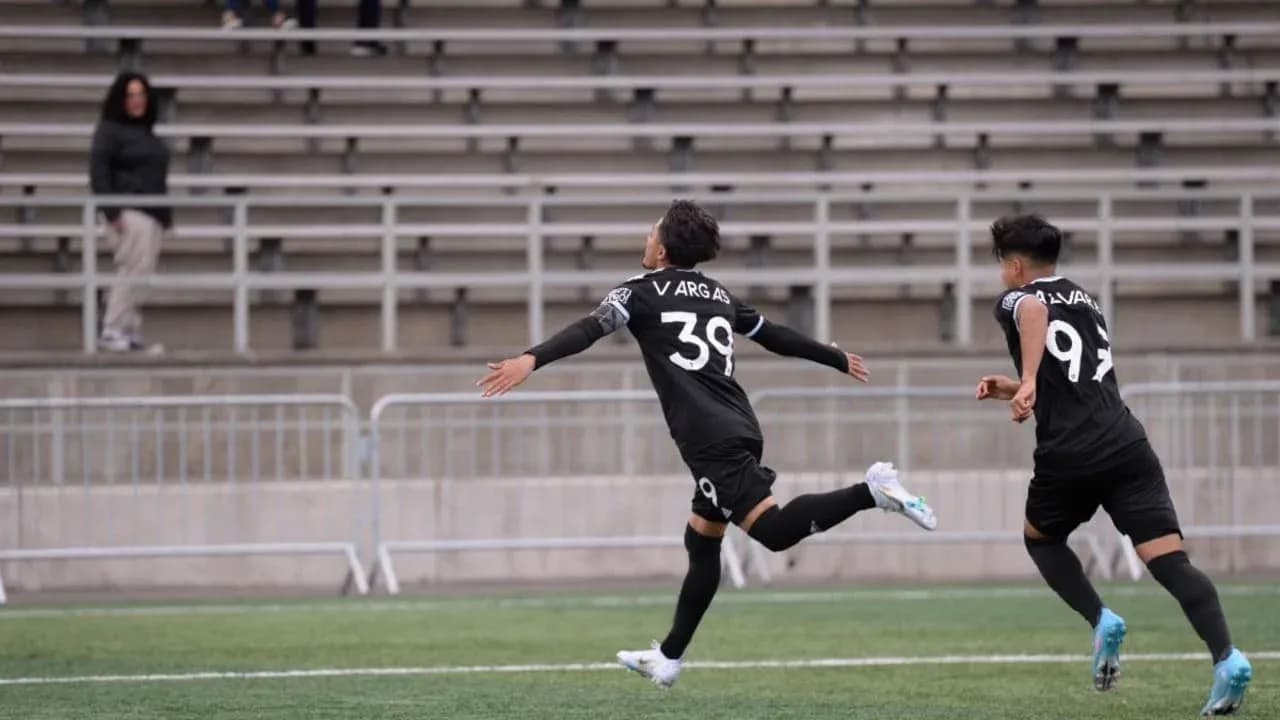
Historic Crew Stadium had the feel of a playoff night rather than a routine MLS Next Pro group-stage tie. Columbus Crew II and Toronto II arrived as near-mirror images in the standings, both volatile, both aggressive, and both unapologetically front-foot. Over 120 minutes they traded blows to a 2-2 draw, before Toronto II held their nerve from the spot, winning the shootout 3-1 and walking out of Ohio with the psychological edge.
Columbus Crew II Overview
Heading into this game, Columbus were an Eastern Conference force in spite of their chaos. They sat 4th in the conference table on 20 points from 12 matches, with a goal difference of 0 after scoring 20 and conceding 20 overall. At home, they had been ruthless: 5 wins from 6, with 12 goals for and 6 against, supported by a home scoring average of 2.2 and a home concessions average of 1.2. This was a side built to overwhelm visitors in short, brutal bursts of pressure.
Toronto II Overview
Toronto II, by contrast, came in as the more mercurial challenger. They stood 10th in the Eastern Conference with 16 points from 11 matches, their overall goal difference a narrow +1 after 18 goals for and 17 against in the standings snapshot, and 19 for and 19 against in the broader statistical record. On their travels, they had won 3 and lost 4, scoring 12 and conceding 12, with an away average of 1.7 goals both for and against. This was not a timid away team; it was a group comfortable in chaotic, open games.
Tactical Analysis
The tactical voids in this fixture were less about absences—no official missing list is recorded—and more about structural risk. Columbus under Federico Higuain have built a side that lives with defensive exposure. Overall they averaged 1.8 goals for and 1.8 against, with only 2 clean sheets in total and just 1 failed-to-score performance across the campaign. Toronto, under Gianni Cimini, were cut from a similar cloth: 1.7 goals scored and 1.7 conceded per match overall, 3 clean sheets but also 3 matches where they failed to score. Both teams essentially accepted that control would be partial, and that momentum would swing violently.
Discipline and Cards
Discipline added another layer of volatility. Columbus’ yellow-card distribution this season is heavily concentrated in the middle third of games: 21.74% of their yellows arrive between 31-45 minutes, 17.39% between 46-60, and a peak 30.43% between 61-75. They also carry a sharp early-game edge, with 8.70% of yellows and a solitary red card appearing in the opening 0-15 minutes. Toronto’s bookings tell a slightly different story: a measured start (5.00% of yellows in each of 0-15 and 16-30), then a surge around the break—25.00% between 31-45 and 20.00% between 46-60—followed by renewed aggression late on, with another 20.00% in the 76-90 window and 15.00% in extra-time’s first period (91-105). Neither side saw red in Toronto’s case, but both profiles suggested a match that would fray at the edges as fatigue and emotion set in.
Lineups and Manager Intent
Within that emotional frame, the lineups offered a glimpse of each manager’s intent. Columbus anchored their XI with L. Pruter in goal, a back line and supporting cast built around the energy of B. Adu-Gyamfi, Q. Elliot, R. Aoki, and I. Heffess. In front of them, the likes of T. Brown, K. Gbamble, J. Chirinos, T. Karumanchi, Z. Zengue, and C. Adams formed a flexible, mobile unit that could morph between compact defensive blocks and aggressive pressing triggers. The bench—S. Lapkes, G. De Libera, M. Nyeman, N. Rincon, C. Mrowka, and C. Rogers—gave Higuain levers to change tempo and add control or chaos as required.
Toronto II’s XI was similarly youthful but sharp-edged. A. De Rosario provided the spine from the back, supported by R. Campbell-Dennis, R. Fisher, M. Chisholm, and L. Costabile in the defensive and wide corridors. The midfield core of D. Dixon and B. Boneau, along with M. Stojadinovic, F. Bank, K. Kerr, and A. Bossenberry, gave Cimini a blend of ball carriers and runners to exploit transitions. Off the bench, options such as Z. Nakhly, D. Barrow, J. Nolan, J. Nugent, E. Omoregbe, T. Blyth, S. Pinnock, D. Nue-Brito, and L. Dawson meant Toronto could keep injecting pace and freshness deep into extra time.
Dynamic Analysis
The “Hunter vs Shield” dynamic in this tie was less about individual stars—no top-scorer data is recorded—and more about unit behavior. Columbus, with 22 goals scored overall and their highest single-game tallies reaching 3 both home and away, are built to create flurries rather than slow, methodical pressure. Toronto’s defensive record, conceding 19 overall at an average of 1.7 per match, suggested they would bend but not completely break, especially with 2 away clean sheets under their belt. Conversely, Toronto’s attack, also at 1.7 goals per game overall and capable of a 0-5 away win at their best, was always likely to find space against a Columbus defense conceding 2.3 goals on their travels and 1.8 overall.
Engine Room Battle
In the “Engine Room” battle, the narrative hinged on how Columbus’ midfield trio—embodied by the work rate of players like T. Brown, T. Karumanchi, and J. Chirinos—could manage the rhythm against Toronto’s central operators such as D. Dixon and B. Boneau. Columbus’ card profile, with that 61-75 minute yellow surge at 30.43%, hinted at a side that often hits a physical and emotional spike just as legs begin to fade. Toronto’s own spike around 31-45 (25.00%) and 46-60 (20.00%) suggested a fierce contest in and around the interval, where second balls and counter-presses would define territory.
Statistical Prognosis
Following this result, the statistical prognosis sharpens the narrative rather than contradicting it. Columbus again showed their dual identity: capable of scoring twice at home, consistent with their 2.2 home goals average, but unable to fully suppress an opponent that thrives in open exchanges. Toronto, matching that output and then winning 3-1 on penalties, underlined their capacity to navigate volatility and emerge composed in the decisive moments. Their season-long penalty record—1 taken, 1 scored, a 100.00% conversion rate with no misses—foreshadowed a group comfortable from the spot; the shootout only reinforced that mental edge.
In pure xG terms, this was always going to be a high-event, high-variance match: two sides averaging between 1.7 and 1.8 goals for and against, limited clean sheets, and card patterns that point to rising intensity rather than control. Toronto II’s defensive solidity is not about shutting games down, but about surviving the storm long enough to land their own punches. Columbus Crew II remain a dangerous, playoff-calibre side—4th in the Eastern Conference and formidable at home—but this night belonged to a Toronto II squad that proved, over 120 minutes and from 12 yards, that they can walk into hostile territory, ride the chaos, and still find a way through.