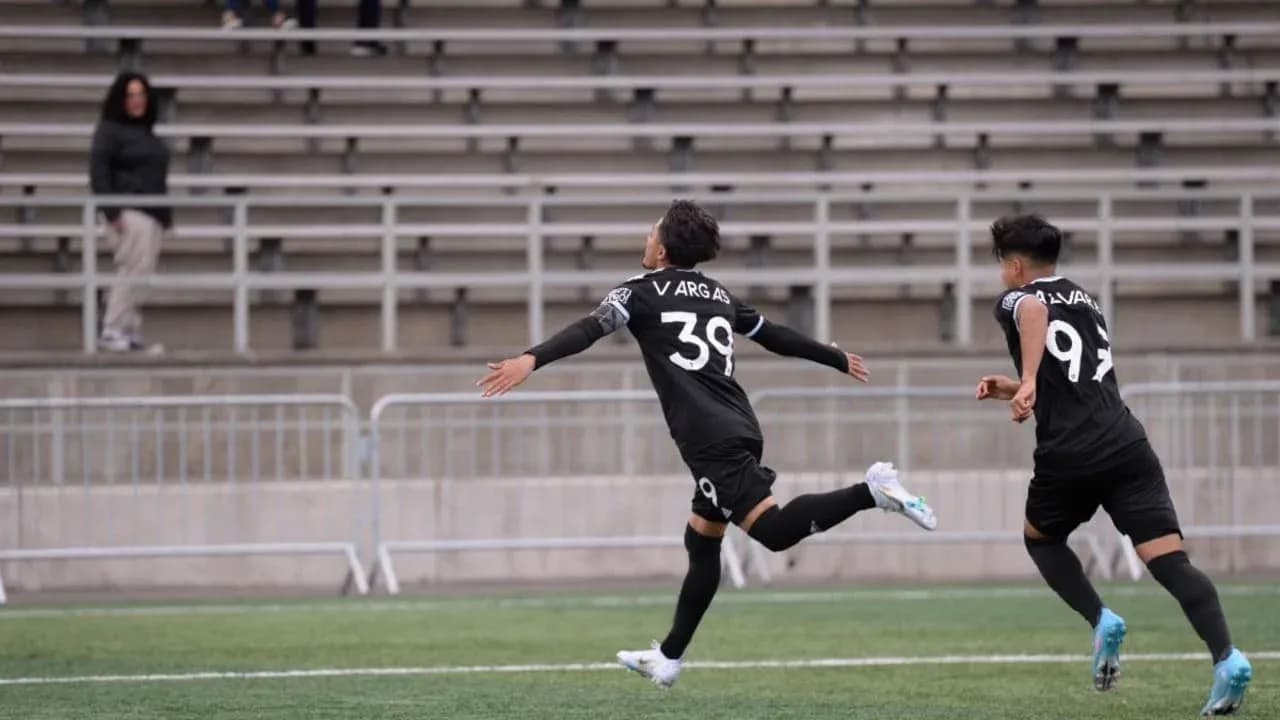
Columbus Crew II Overcomes New York City II in Thrilling MLS Next Pro Clash
Under the New York lights at Belson Stadium, this MLS Next Pro group-stage meeting between New York City II and Columbus Crew II unfolded as a study in contrasting football identities. The scoreboard at full time read 2–3 to the visitors, a comeback that both confirmed Columbus Crew II’s promotion-chasing credentials and exposed the volatility at the heart of this young New York City II side.
I. The Big Picture – Two Different Projects Colliding
Following this result, the league table sharpens the narrative. New York City II sit on 15 points from 11 matches overall, ranked 6th in the Northeast Division and 12th in the Eastern Conference. Their overall goal difference is -4, correctly matching 15 goals for and 19 against in the standings snapshot, and -4 again when you compare 16 goals for and 20 against in the season statistics. The numbers paint the same picture: a side that can score, but leaks almost as much – or slightly more – at the other end.
At home, New York City II are a different beast. Heading into this game, they had played 6 home fixtures, winning 4 and losing 2. They had scored 10 goals at home and conceded 11, with home averages of 1.7 goals scored and 1.8 conceded per match. Belson Stadium has been a stage for high-variance football: aggressive, front-foot, and often wide open.
Columbus Crew II arrived with the assured swagger of a team used to living near the top. In the standings, they are 2nd in the Northeast Division and 3rd in the Eastern Conference, sitting on 23 points from 13 matches overall. Their overall goal difference is +1, exactly matching 23 goals for and 22 against in the standings, and +2 when you look at 25 goals for and 23 against in the broader season statistics – a reminder that this is a side that plays on the edge but generally comes out ahead.
On their travels, Columbus Crew II had played 7 away matches heading into this fixture, winning 3 and losing 4. They had scored 12 away goals (in the statistics block) and conceded 16, at an away scoring average of 1.7 and an away concession average of 2.3 per match. They are not shy away from home; they simply trust their attack to outgun their defensive frailties.
II. Tactical Voids and Discipline – Where the Cracks Appear
Neither side had documented absences in the data, so both Matt Pilkington and Federico Higuain were free to lean on their preferred young cores. But the season-long disciplinary trends hint at the tactical voids that can open up once the match tilts emotionally.
New York City II’s yellow-card distribution shows a team that can lose its composure late. Heading into this game, 33.33% of their yellows came in the 76–90 minute window, with another 14.29% between 91–105 minutes. There is also a notable spike between 16–30 minutes, with 28.57% of their yellows in that early phase. This profile suggests a side that starts emotionally hot and often finishes frantic, precisely the periods when game management is most critical.
Their red-card history is even more telling: 100.00% of their reds have come in the 76–90 minute band. That late-game volatility can shatter structure and expose a young back line, especially when protecting a lead.
Columbus Crew II, meanwhile, carry their own edge. Their yellow cards cluster between 61–75 minutes (29.63%) and 76–90 minutes (22.22%), underlining a team that ramps up intensity as matches approach the decisive phase. They also have a red card early in games – 100.00% of their reds in the 0–15 minute window – a reminder that their aggression can boil over from the start.
This disciplinary contrast fed directly into the match’s narrative: New York City II surged early, Columbus Crew II endured, and the visitors trusted their capacity to grow into the chaos.
III. Key Matchups – Hunter vs Shield, Engine Room vs Engine Room
Without explicit goal and assist tallies per player, the “Hunter vs Shield” duel becomes more conceptual than individual. For New York City II, the attacking cast of B. Klein, A. Campos, C. Flax and D. Kerr formed the spearhead of Pilkington’s approach. At home, this unit helped deliver that 1.7-goal average, with their biggest home win a 2–0 scoreline and their most painful home defeat a 0–5 collapse. They oscillate between incisive and fragile, capable of blitzing opponents but vulnerable to being overrun.
Their “Shield” is a back line featuring K. Acito, K. Smith and J. Loiola in front of S. Musu. Yet New York City II’s season-long concession rate of 1.8 goals per match both at home and overall underlines that this shield is porous. Clean sheets at home stand at just 1, while they have failed to score at home only once. They are built to trade blows, not to shut games down.
Columbus Crew II’s “Hunter” is more systemic than individual: the attacking roles of C. Adams, T. Brown, K. Gbamble and Z. Zengue, supported by N. Rincon and T. Karumanchi from deeper positions. With 25 goals overall this campaign at an average of 1.9 per match, and 1.7 on their travels, their front unit is consistent and relentless. Their biggest away win of 1–3 and away scoring peaks of 3 goals underline their capacity to flip a match even after a poor start.
Defensively, Columbus Crew II are far from watertight, conceding 23 goals overall at an average of 1.8 per match, and 2.3 on their travels. Their shield – C. Ruvalcaba, C. Rogers, O. Presthus and Q. Elliot in front of L. Pruter – is asked to defend large spaces as Higuain commits numbers forward. Their two clean sheets have come at home; away, they tend to win by simply scoring more than they concede.
In midfield, the “Engine Room” duel centred on P. Molinari and E. Samb for New York City II against T. Karumanchi and N. Rincon for Columbus Crew II. New York’s engine has produced streaks of both two wins and two losses, while Columbus’s engine has powered a three-game winning streak at its best. The difference lies in control: Columbus Crew II are more accustomed to navigating wild game states and reasserting their rhythm after setbacks.
IV. Statistical Prognosis – Why the Comeback Made Sense
From an analytical standpoint, a 3–2 away win for Columbus Crew II fits the underlying numbers almost too neatly. You have:
- A home side averaging 1.7 goals scored and 1.8 conceded at Belson Stadium.
- An away side averaging 1.7 goals scored and 2.3 conceded on their travels.
Overlay those profiles and you get a high-scoring script with both defences under pressure. New York City II’s late-game disciplinary spikes (33.33% of yellows and 100.00% of reds in the 76–90 minute window) suggest structural and emotional fatigue just when Columbus Crew II tend to ramp up their intensity (29.63% of yellows between 61–75 minutes and 22.22% between 76–90 minutes).
Even without explicit xG values, the expected goals landscape is clear: Columbus Crew II, with 25 goals from 13 matches overall and only one failure to score all season, were always likely to create enough chances to claw back from a deficit. New York City II, with just one clean sheet and 20 goals conceded overall, were statistically unlikely to protect a narrow lead for 90 minutes against such an opponent.
Following this result, the trajectories diverge further. Columbus Crew II consolidate their status as a promotion-contending, high-variance attacking side that thrives in chaos. New York City II, meanwhile, remain the league’s quintessential roller-coaster: capable of explosive first halves, but still searching for the composure and defensive solidity to turn those surges into statement wins rather than painful lessons.