Colombia Advances to World Cup Round of 16 After Defeating Ghana
Jhon Arias needed only one chance.
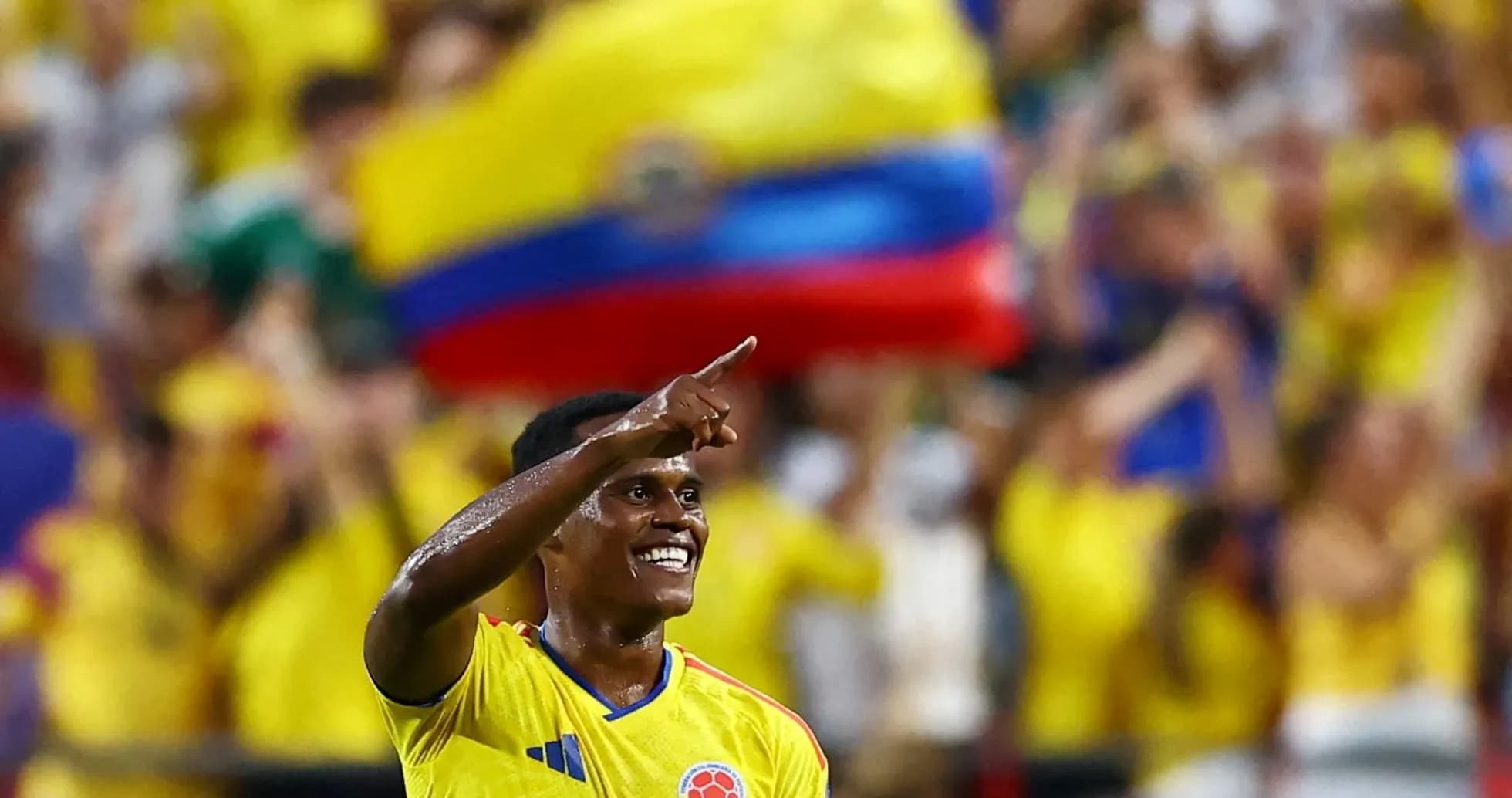
In the thick Kansas City heat, with the air hanging heavy and shirts sticking to backs, the Colombia winger arrived alone at the far post, opened his body and passed his team into the World Cup round of 16. One touch, 1-0 against Ghana, and a quietly menacing campaign gathered fresh momentum.
Arias strikes, Suarez steps up
The decisive moment came early, in the 14th minute, from a combination few inside the stadium had expected to see.
Jhon Cordoba pulled up after just eight minutes, clutching what looked like a groin problem. Plans torn up, Luis Suarez thrown on. The change looked like a setback. It became the turning point.
Suarez drifted into space on the right and shaped a cross that begged to be finished. He bent the ball to the back post, where Arias had ghosted away from his marker, unnoticed in a crowded box. With time, with room, he simply guided the ball into the bottom corner. No panic. No fuss. A finish of a team that knows exactly who it is.
From there, Nestor Lorenzo’s side did what they have done all tournament: controlled, organised, unflustered. Ghana chased, Colombia dictated.
A home far from home
On paper, this was a neutral venue. In reality, it felt like Barranquilla had been uprooted and dropped into the American Midwest.
Tens of thousands of Colombia fans turned the stadium into a rolling, swaying wall of yellow. Scarves swung above heads. Black-and-white sombrero vueltiao hats doubled as improvised fans in the 30-degree Celsius heat. Every Colombian touch drew a roar, every Ghanaian attack a whistle.
The soundtrack never stopped. “Vamos Colombia! Esta noche tenemos que ganar!” crashed down from the stands in waves. The players responded by playing as if they were, indeed, at home.
Ghana, ranked 60 places below Colombia, never looked comfortable in that storm of colour and noise.
Diaz threatens, Ati-Zigi resists
If Arias delivered the breakthrough, Luis Diaz supplied the edge.
Diaz found pockets of space all night, drifting inside, darting in behind. In the first half he smashed one effort into the side netting, the crowd already half out of their seats. Early in the second, he thought he had killed the contest.
Arias, again involved, slid a low cross into the box. Diaz arrived, opened up and finished clinically. He wheeled away, celebrating what looked like Colombia’s second. The flag cut him short. Offside. The score stayed 1-0, and the tension lingered.
Colombia did not retreat. They kept pushing for the cushion goal, moving the ball with assurance, forcing Ghana deeper and deeper. The only reason the margin stayed narrow was Lawrence Ati-Zigi.
The Ghana goalkeeper delivered a superb individual display, producing a string of saves in the closing stages as Colombia poured forward. Shots from distance, close-range efforts, low drives – Ati-Zigi dealt with them all, keeping his side alive long after the contest, on balance, felt decided.
Ghana’s threat contained
At the other end, Ghana’s hopes rested largely on Antoine Semenyo.
Strong, direct, always on the shoulder, he offered the one genuine outlet on a difficult night. Yet every time he tried to turn, a yellow shirt was there. Colombia’s back line stayed compact, their midfield shield tight, their concentration unbroken.
Semenyo probed, but never found a clear sight of goal. That, as much as Arias’s finish, told the story of the match: Colombia were simply better, in the big moments and the small details.
Dangerous outsiders step forward
This win did not come out of nowhere. Colombia arrived in the knockouts unbeaten, having topped Group K ahead of Portugal, Uzbekistan and DR Congo without losing a game. They had flown under the radar while others grabbed headlines, but the pattern is hard to ignore now.
They are the fourth South American side into the last 16, joining surprise package Paraguay – conquerors of Germany – along with Brazil and Argentina, both of whom have already survived scares of their own. Colombia’s path has been steadier, less dramatic, but no less impressive.
Their best World Cup finish remains the quarterfinal run of 2014. On Tuesday in Vancouver, they face Switzerland for the right to match that mark – and perhaps to signal that this quietly building campaign is ready to make a louder statement.