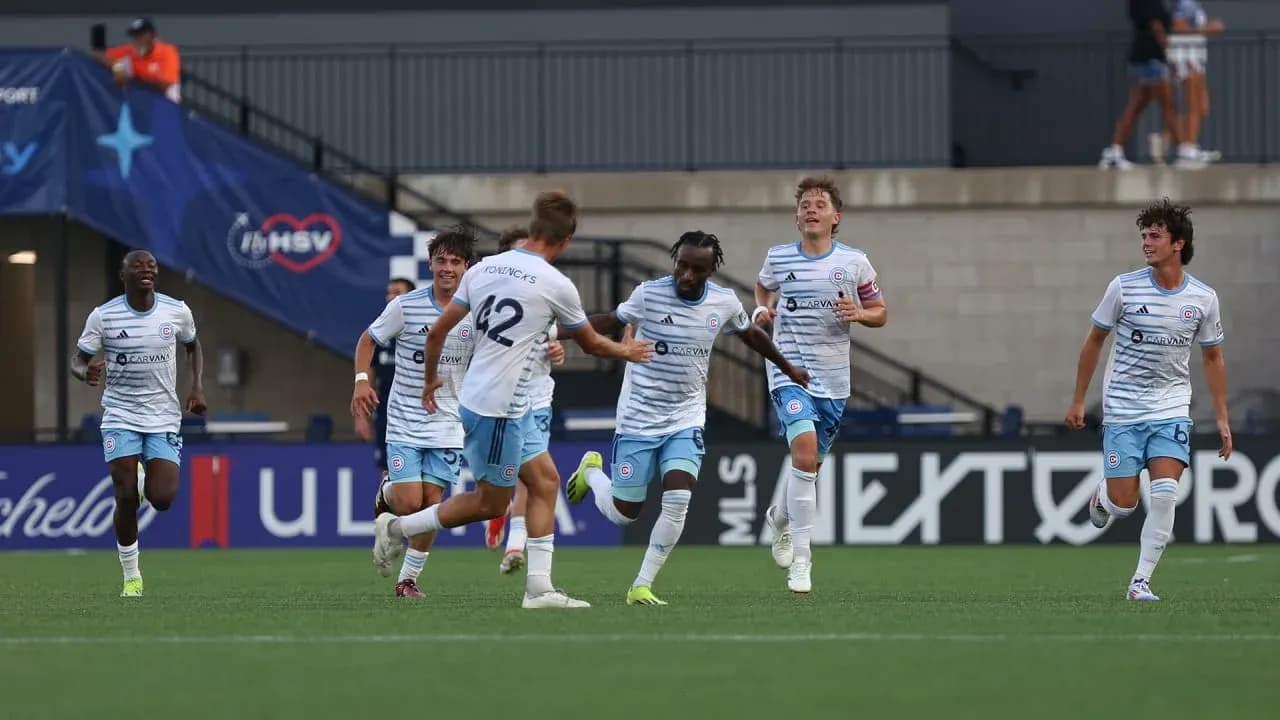
Chicago Fire II Dominates Huntsville City 4–0 at SeatGeek Stadium
Under the lights at SeatGeek Stadium, this MLS Next Pro group-stage meeting felt less like a routine fixture and more like a statement of intent from Chicago Fire II. The 4–0 home win over Huntsville City did more than settle a single night’s score; it re-drew the contours of both squads’ identities in the 2026 season.
Heading into this game, Chicago were a curious paradox. In total this campaign they had played 11 matches, winning 6 and losing 5, with 18 goals for and 16 against. That left them on a razor-thin overall goal difference of +2, but the split between home and away was revealing. At home, Chicago averaged 2.0 goals for and 1.5 against, a profile of a front-foot side willing to take risks. On their travels they were more restrained going forward at 1.2 goals per game, but still conceding 1.4. SeatGeek, then, was their natural habitat: a ground where their attacking verve tended to outweigh defensive frailty.
Huntsville arrived with a very different statistical DNA. Overall, they had been one of the division’s entertainers: 24 goals scored in total across 11 matches, an average of 2.2 per game, but leaking 27 at an average of 2.5. At home they were strong going forward at 2.4 goals per match, conceding 1.8; away, they still scored 2.0 but bled 3.0 goals per outing. The numbers painted Huntsville as a high-variance, high-risk side whose attacking ambition often left their back line brutally exposed.
That contrast set the tactical stage: Chicago’s controlled aggression at home against Huntsville’s chaotic, end-to-end tendencies on their travels. The 4–0 scoreline felt like the logical extreme of those trends.
From a squad perspective, Chicago’s XI looked built for verticality and direct pressure. With J. Nemo, D. Nigg, C. Cupps and J. Sandmeyer among the starters, there was a spine that suggested solidity at the back and a willingness to step into duels. In midfield, profiles like C. Nagle, O. Pineda and R. Fleming hinted at an engine room comfortable both breaking lines and compressing space. Ahead of them, the likes of D. Hyte, R. Turdean, V. Glyut and D. Boltz gave Fire II multiple runners between the lines and into the channels.
On the bench, options such as O. Pratt, M. Clark and O. Gonzalez offered fresh legs to either press higher late on or lock down a lead. With players like T. Diawara, D. Villanueva and M. Napoe also available, Chicago had the tools to change tempo and shape without sacrificing intensity.
Huntsville’s starting group, by contrast, carried a more improvisational feel. X. Valdez and J. Gaines formed part of the defensive unit, with A. Talabi and N. Prince providing additional structure. In midfield, L. Christiano, A. Iniguez and M. Yoshizawa were tasked with knitting play together, while A. Jarvis, F. Reynolds, N. Sullivan and X. Aguilar supplied the attacking thrust. It is a group that, on paper, suits Huntsville’s season-long tendency to trade chances rather than suppress them.
Their bench underlined that identity. L. Eke, D. Salukombo and J. Swanzy brought pace and direct running, while K. Coulibaly and M. Molina added defensive and transitional flexibility. A. Krikorian and L. Devan offered further tactical tweaks. This is a squad designed to chase games or lean into chaos, not necessarily to suffocate them.
Disciplinary trends added another layer. Chicago’s yellow-card profile this season showed a clear spike between 46–60 minutes, where 33.33% of their cautions had arrived, with further clusters at 61–75 and 76–90 (both 22.22%). That points to a team that ramps up aggression after the interval, pressing harder and risking more fouls as they hunt momentum. Huntsville’s pattern was even more volatile: 34.48% of their yellow cards came in the 76–90 window, and a combined 27.58% across 16–30 and 46–60. The picture is of a side that starts combative, then becomes increasingly desperate late on.
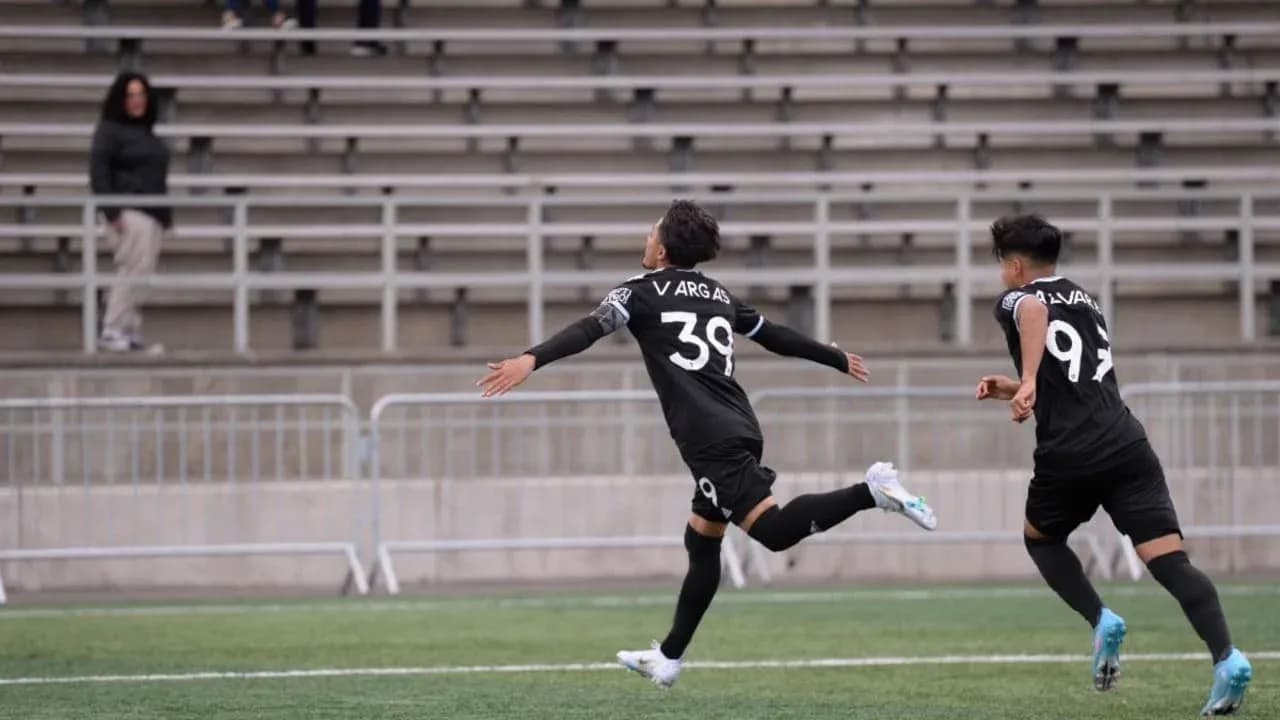
Overlay those traits onto this match and the narrative sharpens. Chicago, historically strong at home and averaging 2.0 goals there, seized control early and never let go, racing to a 3–0 half-time lead. Huntsville, whose away defensive average of 3.0 goals conceded hinted at fragility, were simply unable to absorb the pressure. The fourth goal after the break felt like the statistical script playing out in real time: Chicago’s attacking ceiling at home intersecting with Huntsville’s defensive floor away.
In “Hunter vs Shield” terms, Huntsville’s overall attack of 2.2 goals per game ran into a Chicago defence that, at home, had conceded 1.5 on average and kept 2 clean sheets. On this night, the shield won decisively, with Chicago not only shutting Huntsville out but doing so while playing on the front foot. Conversely, Chicago’s 2.0 home goals-per-game profile collided with Huntsville’s away concession rate of 3.0; the 4–0 scoreline sits squarely within that expected range of damage.
The “Engine Room” battle was equally decisive. Chicago’s midfield trio, anchored by the work rate of Nagle and Pineda and the link play of Fleming, imposed a structure that Huntsville’s more open, transition-minded unit could not match. Without clear top-scorer or assist data, the eye is drawn to the collective: this was less about a single star and more about a synchronized press and quick, vertical combinations.
From an Expected Goals perspective, everything points to a match where Chicago’s xG would have comfortably outstripped Huntsville’s. Their season-long tendency to generate chances at home, combined with Huntsville’s habit of conceding high-quality opportunities away, suggests a wide xG gap underpinning the 4–0 outcome. Defensively, Chicago’s overall average of 1.5 goals conceded per match was significantly better than Huntsville’s 2.5, and that structural solidity finally translated into a statement clean sheet.
Following this result, the squads’ trajectories feel divergent. Chicago Fire II look like a side learning to harness their attacking power without sacrificing control, especially at SeatGeek Stadium. Huntsville City, meanwhile, remain the league’s great entertainers—but unless they can recalibrate that away defensive record, nights like this will continue to haunt them, no matter how vibrant their forward line appears on paper.