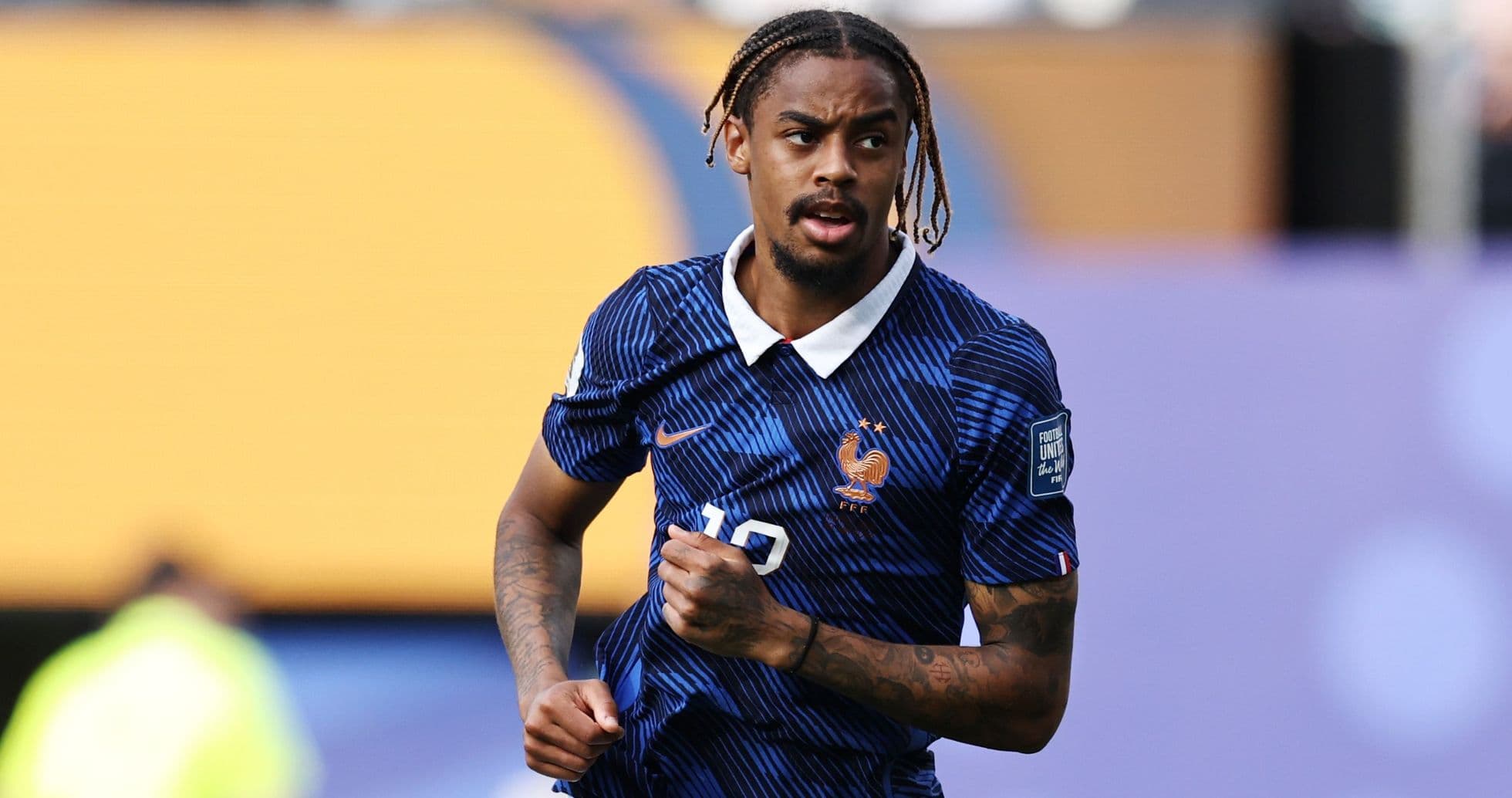
Cherki's Tension Amid France's Victory Over Sweden
The scoreline said harmony. The cameras told a different story.
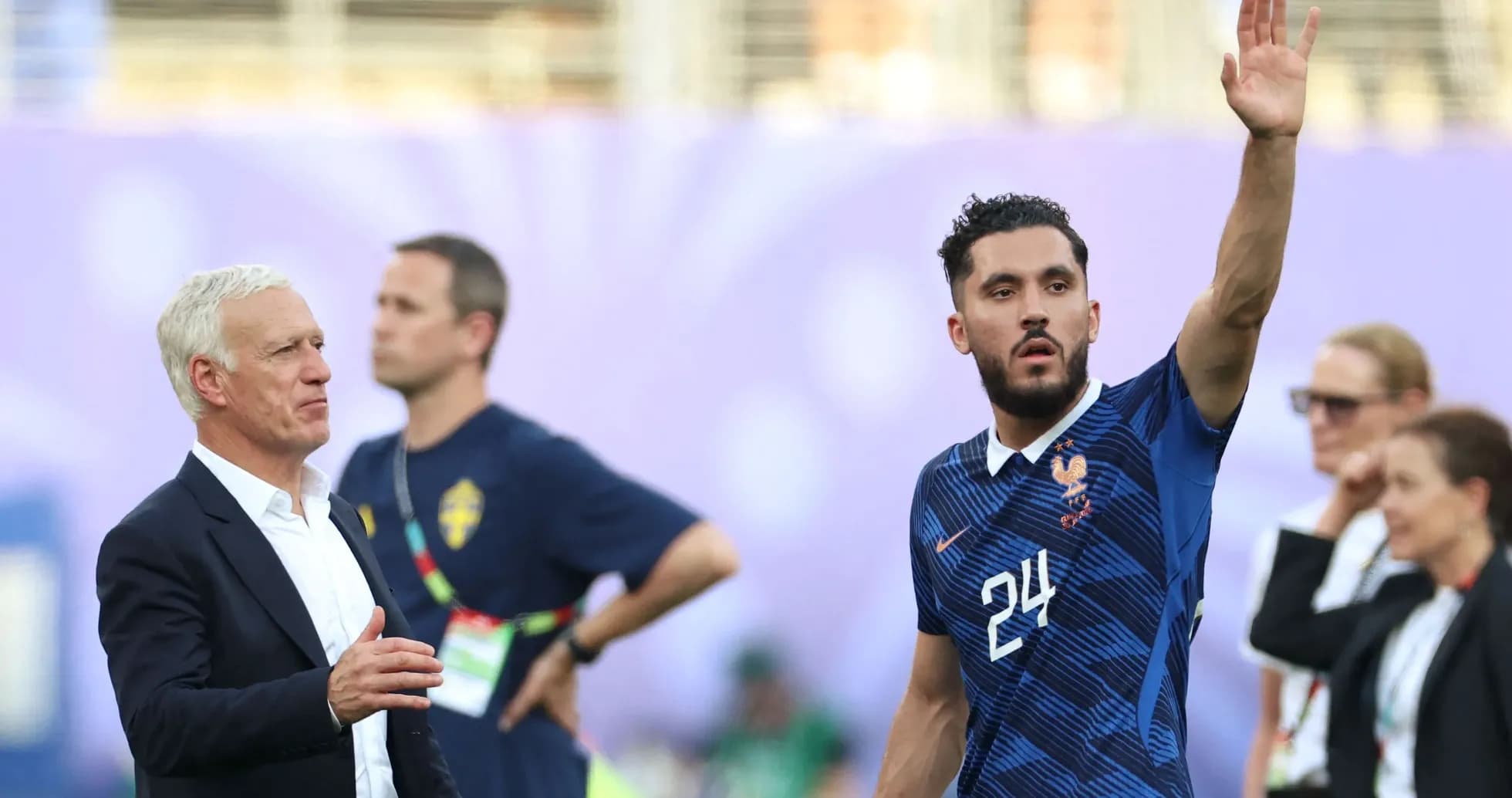
France had just swept aside Graham Potter’s Sweden 3-0, a statement win from a squad loaded with talent and swagger, when a short, awkward exchange on the pitch began to race around social media. In the middle of the celebrations, with team-mates embracing and swapping shirts, Rayan Cherki stood alone.
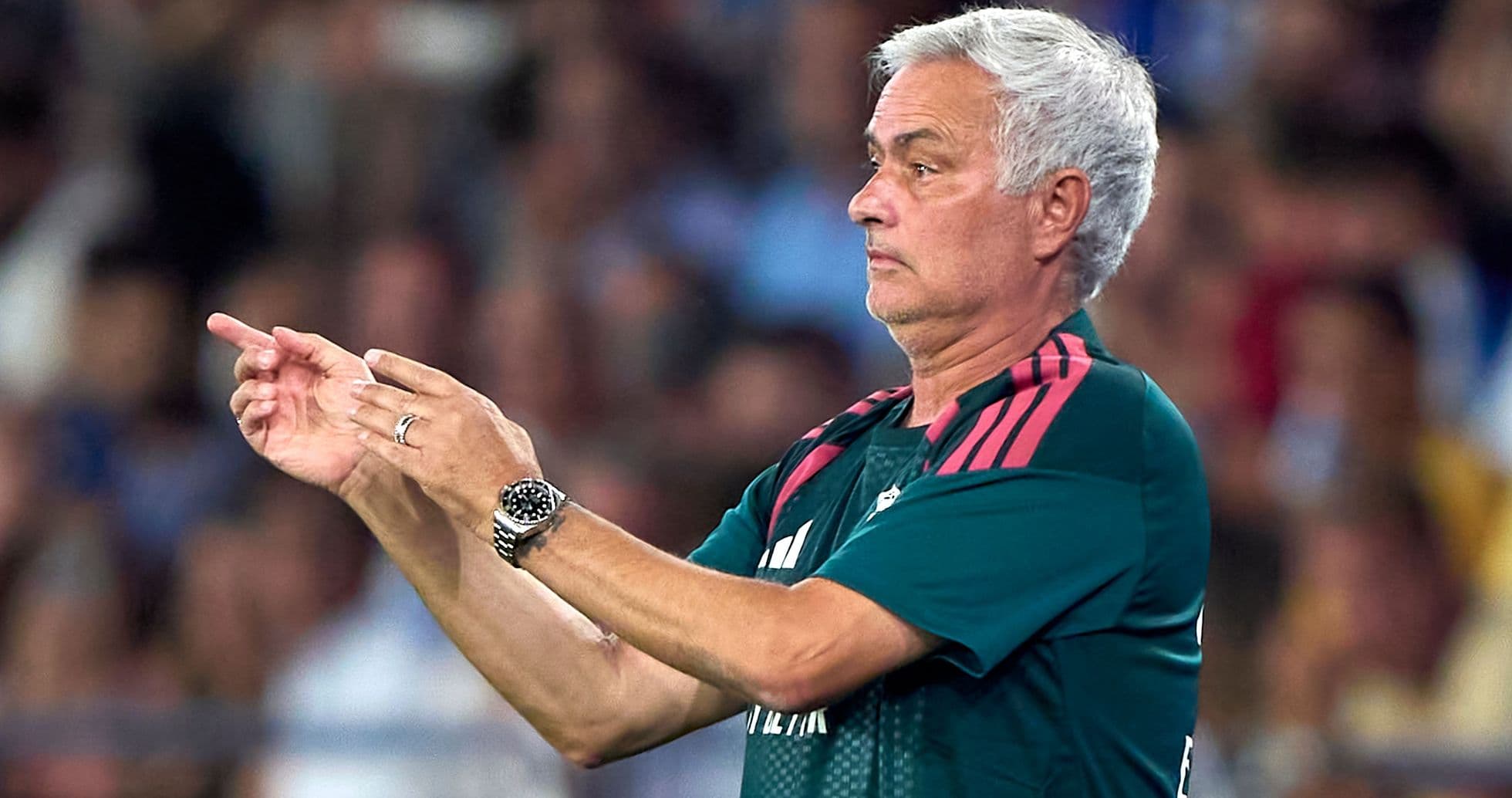
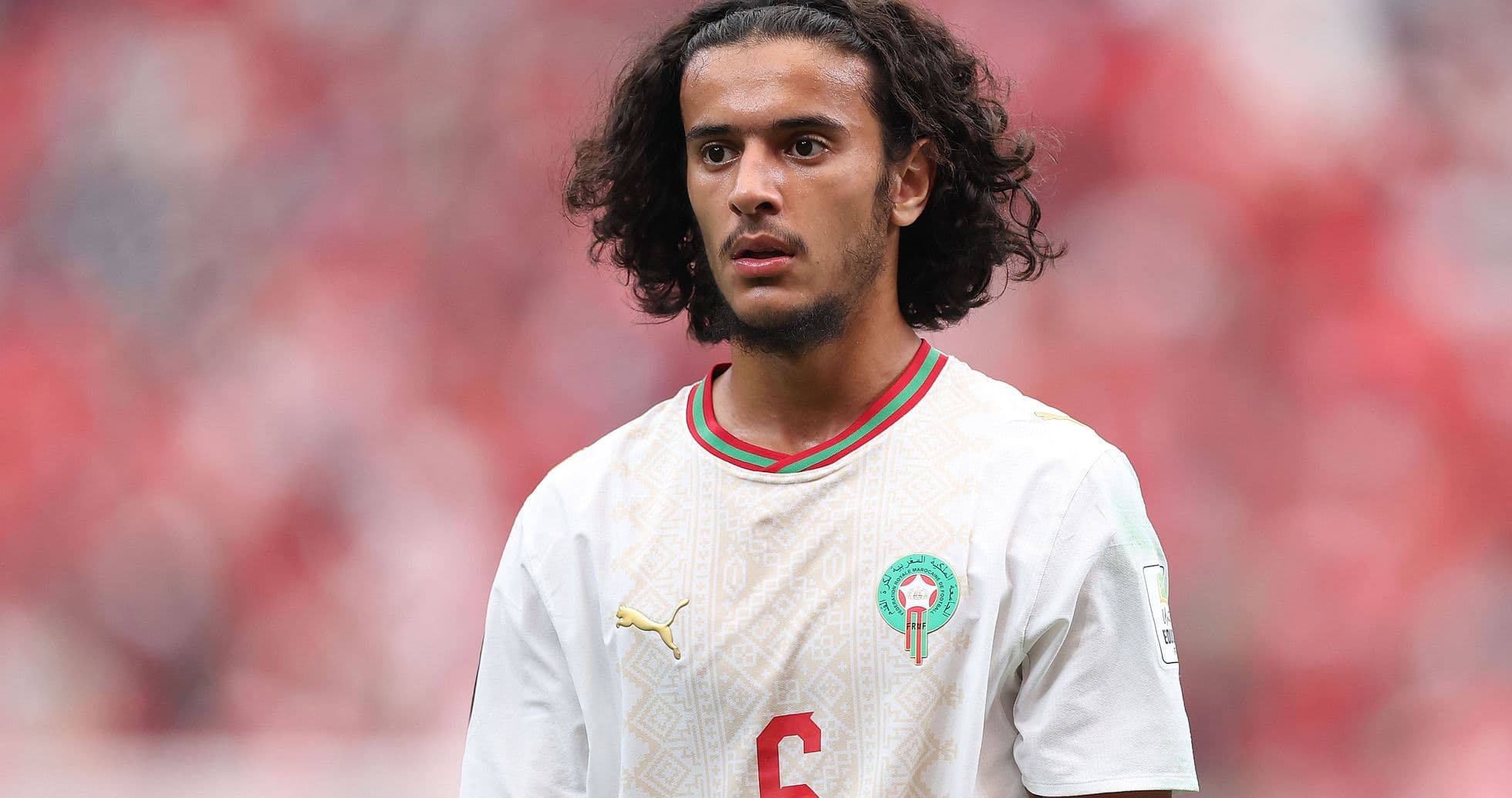
The midfielder, once the golden hope of Lyon and now a Manchester City player still waiting for his moment in this tournament, lingered in the centre circle, applauding the travelling French support. Didier Deschamps walked over, arm outstretched, looking to share the moment and acknowledge his player’s contribution.
The contact never really came.
Cherki appeared to brush away the France coach’s hand. When Deschamps tried again, leaning in for a brief word, the 20-year-old bent down to tie his boot, his body angling away from the 57-year-old. A tiny gesture, a few seconds long, but in the age of clipped highlights and looping GIFs, it was more than enough.
Frustration has been building. Cherki has yet to start a game in North America, restricted to the role of late-game extra in a cast of stars. Four matches, four appearances from the bench, just 51 minutes in total. Against Sweden, with France cruising and the contest long since decided, he was sent on with Crystal Palace forward Jean-Philippe Mateta with only five minutes left on the clock.
For a player of his ambition and profile, that stings.
Deschamps’ problem, of course, is one most international coaches would envy. His attacking cupboard is overflowing. Michael Olise has taken ownership of the No 10 role, knitting together attacks with the assurance of a player who looks utterly at home on this stage. Bradley Barcola is stretching defences out wide. Desire Doue is pushing hard for minutes of his own. Every change means leaving out another blue-chip talent.
Right now, Cherki is the one squeezed to the margins of a side widely billed as tournament favourites.
While the clip of his exchange with Deschamps did the rounds online, the France manager chose a different narrative in the press room. He went out of his way to underline the collective, to highlight the graft behind the gloss.
“There’s a good connection,” he said of his forward line. “When we need to work hard with the ball, everyone is involved, including the forwards. That’s a very good thing. Obviously, it’s something that pleases me, and I’m proud of it. We need to keep it up.”
Those are the words of a coach who knows what wins tournaments: stars who run, egos that bend, not break.
Yet Deschamps did not pretend the job is simple. Managing this much talent is a delicate business, and he was honest about the risks that come with it.
“The team spirit doesn’t win matches, but it can lose them,” he warned. “Players might be disappointed because they’re not playing enough or at all; there might be frustrations, but the collective strength is paramount.”
That line lands harder when the footage of Cherki is still fresh in the mind. One player’s irritation can be shrugged off. Let it fester in a dressing room, and it can become something else entirely.
For now, France can point to the scoreboard. A 3-0 win, a place in the knockouts secured, a squad that on paper looks two-deep in every attacking position. The mood around the camp remains buoyant, the belief that this group can go all the way untouched by a few seconds of tension at full-time.
The next test comes in Philadelphia, where a round of 16 tie against Paraguay awaits. The stakes rise, the margins shrink, and Deschamps’ rotation choices grow even more loaded.
Cherki will travel still searching for a starting shirt, still fighting for more than a handful of minutes. The question now is simple: in a team this strong, can Deschamps keep every talent onside long enough to finish the job?