Chelsea Signs Valentín Barco: A New Era Under Alonso
Chelsea finally announced Valentín Barco on Sunday, ending a transfer saga that has rumbled on for nearly four months and cutting straight to the heart of a power struggle at Stamford Bridge.
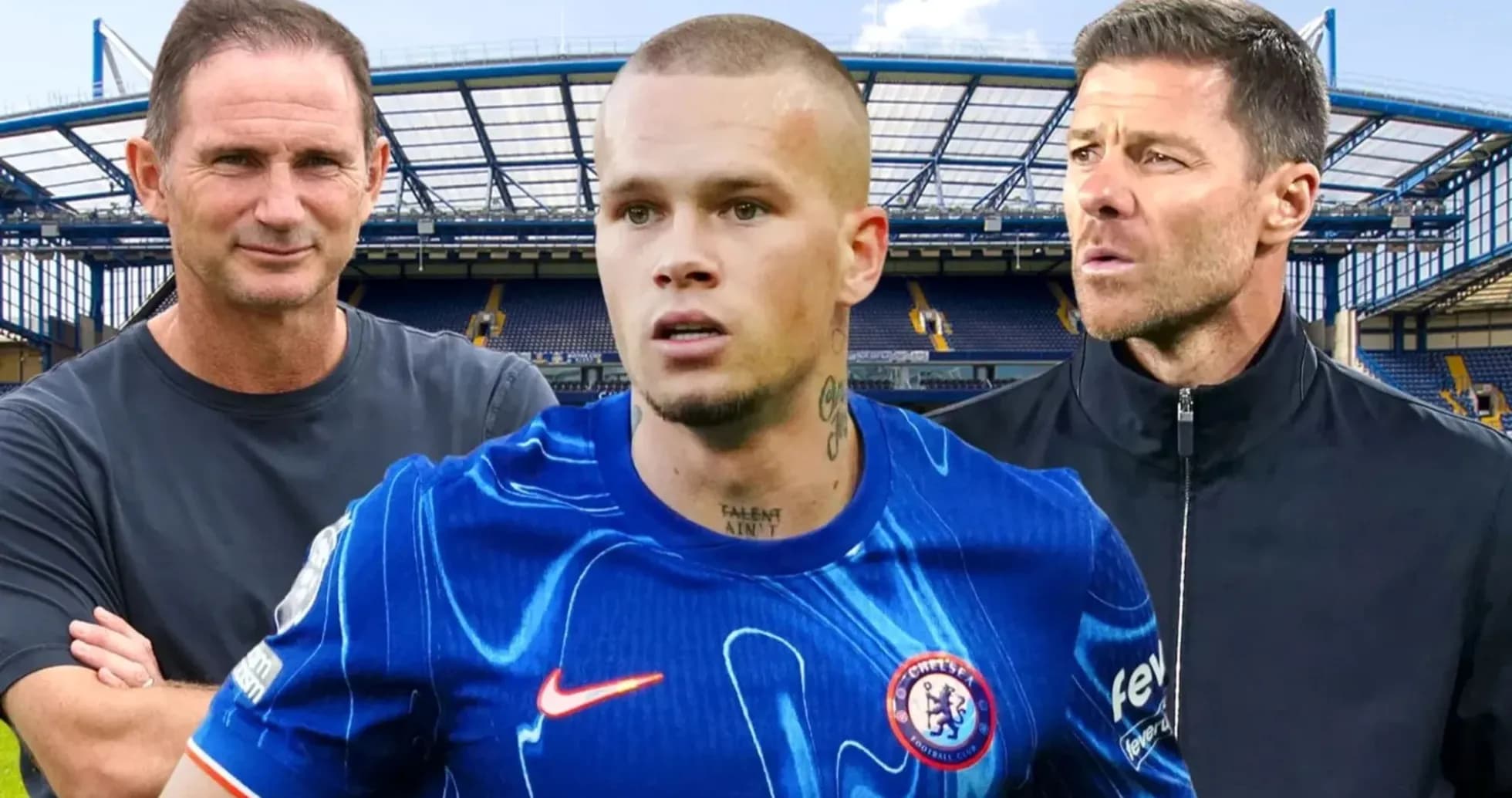
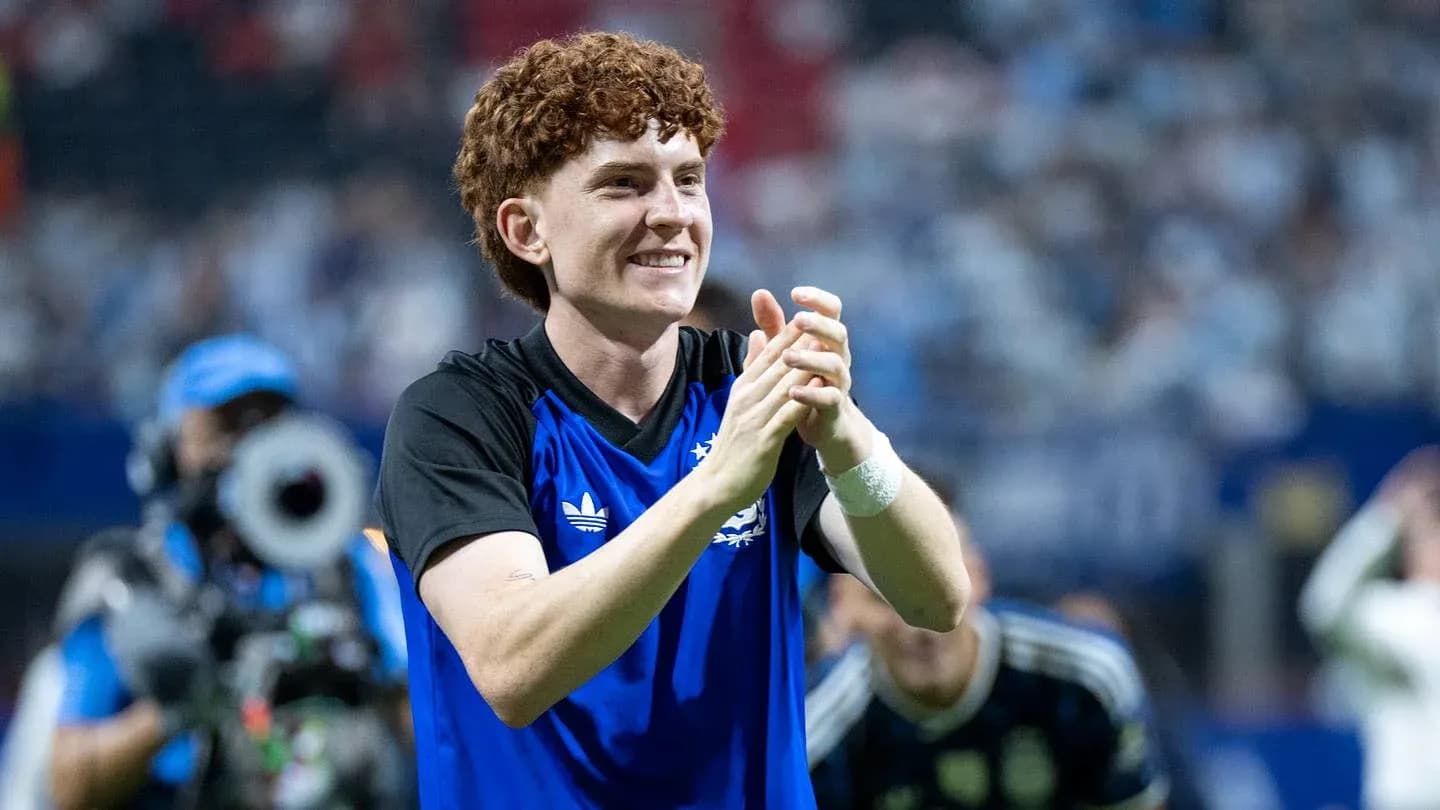
The 22-year-old arrives from Strasbourg as a versatile midfielder, a player reshaped and reborn since his brief, bruising stint as a teenage left back at Brighton & Hove Albion. He walks into a club that is loudly, deliberately being reshaped by Xabi Alonso. Yet this is not an Alonso signing. That detail matters.
A Signing From the Old Playbook
Alonso has been clear about what he wants. He pushed for Sunderland’s Granit Xhaka. He got Brentford’s Jordan Henderson. He has asked for a specialist left back, and Chelsea are closing in on Rayo Vallecano’s Pep Chavarría. The new manager has targeted two very specific areas: central midfield and left back.
Barco lives in that same space.
But this deal was set in motion long before Alonso’s arrival. Back in early April, with Liam Rosenior still in charge, reports surfaced that Chelsea and Barco had already shaken hands on a summer move. Two days after Alonso was appointed in May, Barco was already saying goodbye in public to Strasbourg, even though Chelsea had not yet confirmed the transfer.
The timeline tells its own story. This is a move born in the recruitment department, not the manager’s office.
Co-sporting directors Paul Winstanley and Laurence Stewart, along with recruitment figures Joe Shields and Sam Jewell, have driven this one. Their influence has come under heavy scrutiny after seasons of lavish spending and too few meaningful returns. Alonso’s arrival diluted their power and gave supporters a focal point they trusted more.
Barco, then, feels like one of the last echoes of the previous model. A deal that predates Alonso, but lands squarely in his dressing room.
The Player Behind the Debate
Strip away the politics and the noise, and one thing remains: Barco is a good footballer.
The Premier League snapshot of him – a red-haired youngster thrown in at left back for Brighton in 2023–24, struggling over seven appearances – is no longer an accurate picture. Strasbourg changed him. Or rather, they revealed him.
Since moving there in early 2025, Barco has operated as a do-it-all midfielder, asked to knit attacks together and shield the back line in the same breath. It is a brutal assignment, physically and tactically, but he handled it well enough that a big-money move always felt inevitable this summer.
Cynics will argue Chelsea’s motivation lies elsewhere. BlueCo control Strasbourg, and keeping Barco “in the family” preserves and potentially inflates his value. That argument will not disappear quickly. Yet it does not erase the core truth: on performances alone, he has earned another crack at the top level.
His versatility is the obvious lure. As a teenager, he was framed as the archetypal modern full-back – a left-sided defender who could step into midfield, an inverted option to overload central areas. Now the emphasis has flipped. He looks far more like a midfielder first, with the capacity to drop to left back when needed.
For a squad chasing domestic and, in time, European demands, that flexibility is gold. Even without European football this season, Chelsea are building with 2027–28 in mind, when they expect to be back playing twice a week. Barco’s ability to cover at least two roles makes him a valuable squad piece for that future.
The question is whether he becomes more than that.
Alonso’s Puzzle
All eyes now turn to Alonso. How does he profile Barco? Where does he trust him?
The tension is obvious. Chelsea’s manager has already secured Henderson in midfield and pushed the club towards Chavarría at left back. Those are precisely the areas where Barco looks strongest. If Henderson anchors the middle and Chavarría locks down the flank, Barco risks becoming the odd man out in positions he ostensibly covers best.
He could become a rotation option, a tactical wildcard, the man who fills the gaps when injuries bite or fixtures pile up. That role has real value, but it is a far cry from being a centrepiece signing.
Or Alonso could see something else. A press-resistant midfielder to complement Henderson. An aggressive left-sided presence in games that demand more control in the middle than width out wide. The fit is not obvious yet, and that uncertainty only feeds the debate around who truly shapes Chelsea’s squad.
A Troubled Path From Strasbourg
Barco is not the first to travel the now-familiar route from Strasbourg to Stamford Bridge. He is the third, and the track record so far is anything but convincing.
Mamadou Sarr was the first to make the jump in the summer of 2025. Chelsea signed the young centre back, used him at the Club World Cup, then sent him back to Strasbourg on loan for the season. He thrived there, wore the captain’s armband, and looked like a cornerstone in France.
Then came the twist. When Rosenior arrived at Stamford Bridge in January, he asked for a new centre back. Chelsea terminated Sarr’s loan and brought him back early. The logic seemed clear at the time: a promising young defender returning to fill a need.
The reality was very different. Sarr played fewer than 300 minutes in the five months that followed. By the end of the campaign, he was struggling even to make matchday squads. A move that looked bold and decisive turned into a question mark that has not gone away.
Next came Emmanuel Emegha. Chelsea confirmed the striker’s move from Strasbourg in September 2025, and he linked up with Alonso’s squad this summer. On paper, he joined a crowded but intriguing forward line featuring João Pedro, Nicolas Jackson and Liam Delap.
On the ground, another story emerged. Reports quickly suggested Chelsea were already open to offers for Emegha. His place in the pecking order looked fragile before he had even settled, and that is before factoring in Dastan Satpayev, the 17-year-old who impressed in preseason and will only be able to join permanently after his 18th birthday later this month.
The pattern is hard to ignore: Strasbourg talent arrives, Chelsea talk up the potential, and within months the plan looks muddled.
Now it is Barco’s turn.
A Test of Vision
Barco steps into this context as both opportunity and litmus test. Opportunity, because his profile genuinely suits the modern game and the long-term demands Chelsea expect to face. Litmus test, because his integration will say plenty about whether the club have learned from recent missteps.
If Alonso finds a clear, consistent role for him, this could be the moment when the Strasbourg pipeline finally delivers on its promise rather than its projections. If Barco drifts between positions and benches, he risks becoming another symbol of a recruitment department that moves quickly, spends heavily and then shrugs when the pieces do not quite fit.
For now, the questions are louder than the answers. Barco has his move. Chelsea have their man. Alonso has another puzzle piece he did not necessarily choose.
Soon enough, the only thing that will matter is whether he plays like he belongs in the team – or like another asset in a network still trying to prove it knows where it is going.