Chelsea's Managerial Turmoil: The Challenge Ahead
Ruud Gullit has seen this film before. Turmoil at Chelsea, a manager’s seat that might as well come with an ejector button, and a club wrestling with its own identity.
Only this time, he wonders who in their right mind would walk into it.
From a distance, the former player-manager watches a 2025-26 season that has dragged Chelsea from last year’s high of European nights and global trophies into the flat light of mid-table anonymity. Twelve months ago they were lifting the Conference League, parading the FIFA Club World Cup and booking another crack at the Champions League. Now they sit ninth in the Premier League, staring at the very real prospect of a year without any European football.
The fall has been swift. And brutal.
Spending big, thinking small
The money hasn’t stopped. Chelsea’s owners have continued to pour cash into the transfer market, but the strategy has become the story. Potential over pedigree. Prospects over proven winners. A squad stacked with talent, light on authority.
Inconsistency has become the soundtrack at Stamford Bridge. Enzo Maresca came and went. Liam Rosenior followed and also went. The revolving door spun again, leaving Calum McFarlane holding the reins on a caretaker basis.
To his credit, McFarlane has found a way to steady the mood, at least in the cups. He has dragged Chelsea to the FA Cup final, a date with Manchester City at Wembley on May 16 that could yet salvage something tangible from a fractured season. Win that, and Chelsea not only claim major silverware, they punch a ticket to the 2026-27 Europa League.
It would not fix everything. But it would change the conversation.
Gullit’s warning
Gullit, who delivered FA Cup glory to Chelsea as player-manager in 1997, does not sugar-coat what the job has become. Asked whether Chelsea now risk putting off the very best coaches, he doesn’t hesitate.
“Yes, because any manager would see what I see and say: ‘I need experienced players. I need a Casemiro, a [Aurelien] Tchouameni. I need these types of players in midfield. I need this kind of experience alongside the young talent’. And if you don't have them, it's going to be a problem.”
That is the heart of his argument. The project is heavy on youth, light on ballast. The dressing room lacks the kind of hardened, title-tested core that managers at the elite level demand before they stake their reputations.
Then comes the line that will sting in west London.
“The only thing that is certain for a Chelsea manager is that he gets fired. That's the only certainty. And as a coach you have to learn to adapt to the club's philosophy. Does it match yours? And do you get the players you need to do what you want to do?”
This is where Gullit draws a sharp contrast with the game’s current benchmark.
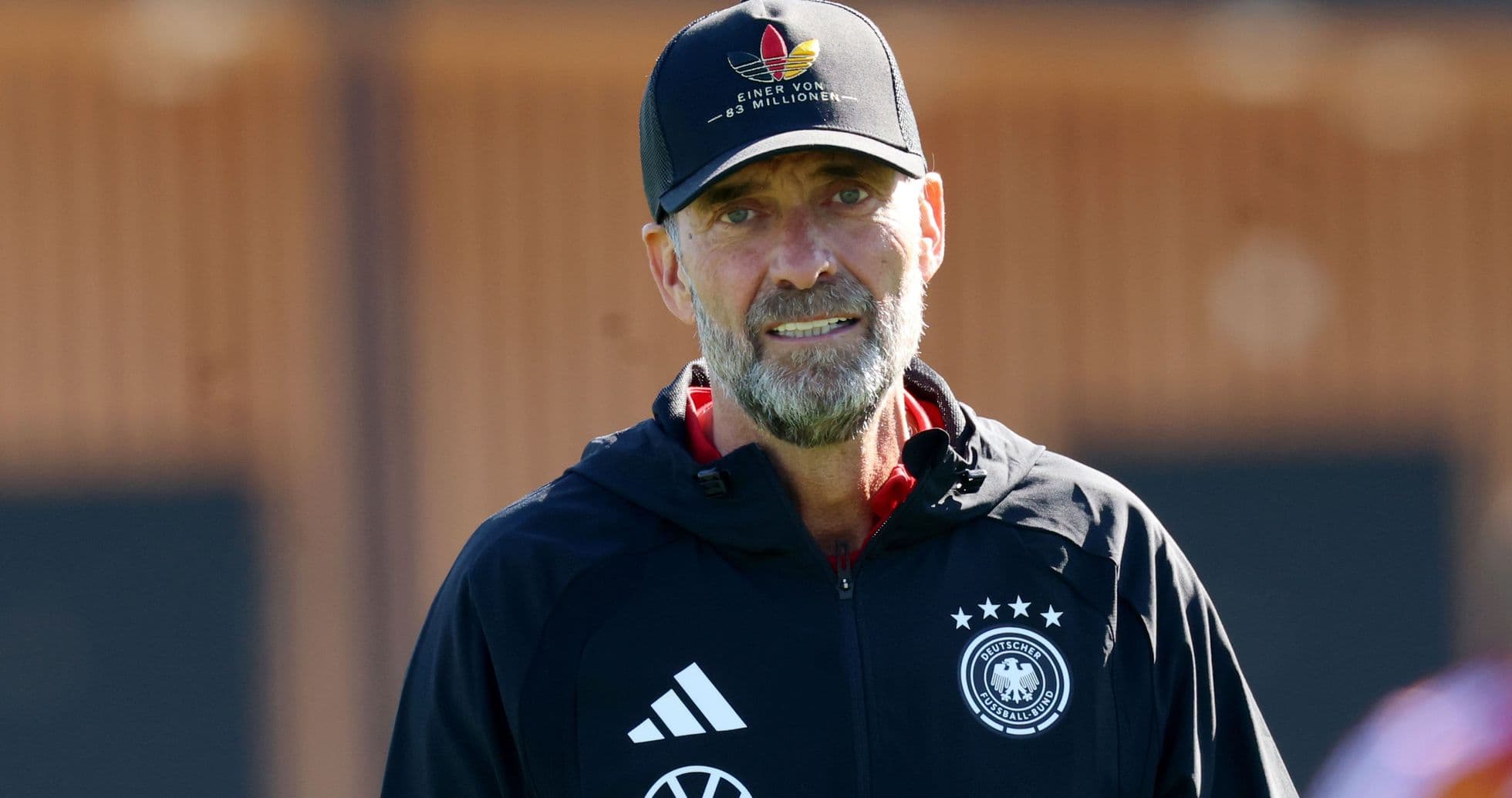
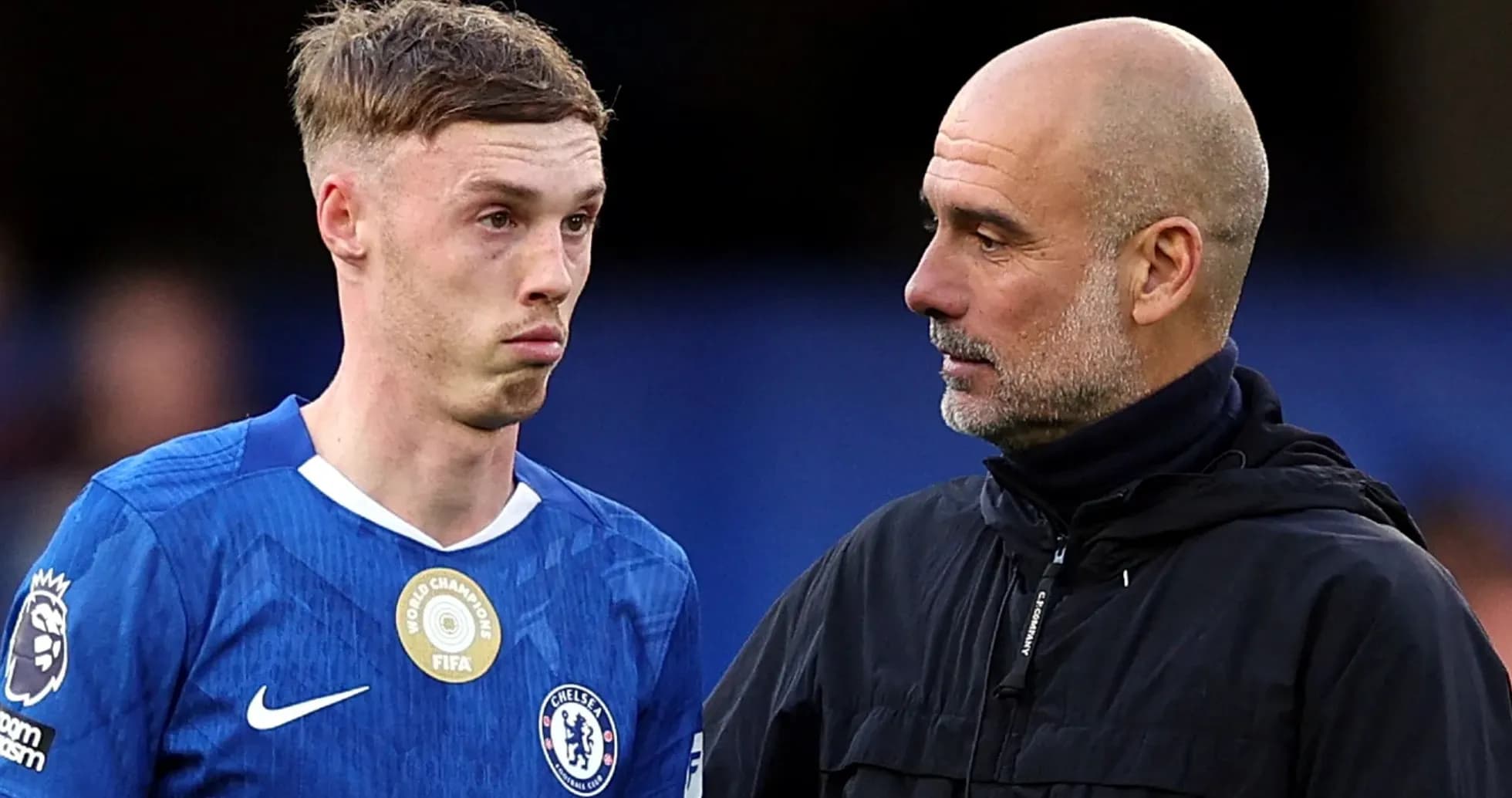
“Pep Guardiola got all the players he wanted. That's why he's been successful. But if you told Pep, ‘Deal with what we give you’, he wouldn't come. Mourinho wouldn't come. Klopp wouldn't come. [Carlo] Ancelotti wouldn't come. These are people who know exactly what the right formula is.”
The message is clear: the top tier of managers do not just accept chaos and compromise. They dictate terms. They choose projects where structure, recruitment and philosophy align with their own.
Right now, Chelsea do not look like that kind of project.
A hot seat, and a shrinking pool
Yet the names linked with the role remain glamorous. Cesc Fabregas, Xabi Alonso, Andoni Iraola, Marco Silva. Each offers something different: tactical innovation, possession control, pressing intensity, Premier League experience. Their reputations are on the rise, their football admired.
But the question lingers: are Chelsea still the irresistible destination they once were, or a risk too far for a coach with options?
Any permanent appointment will walk into a dressing room built for tomorrow but judged on yesterday’s standards. A club that expects instant success, with a squad designed for gradual evolution. A fanbase that has tasted the very top and has little patience for mid-table narratives.
And always, that looming pattern Gullit points to: the short leash, the quick trigger, the sense that the job ends the moment the first storm hits.
Slim margins, huge stakes
On the pitch, there are still threads of hope. Chelsea snapped a six-game Premier League losing streak by holding Liverpool to a 1-1 draw in their last outing, a result that at least stopped the bleeding.
Ahead lies a brutal little run-in wrapped inside a bigger question about the club’s future. Manchester City at Wembley in the FA Cup final. Then back to the league, where relegation-threatened Tottenham come to Stamford Bridge before a final-day trip to Sunderland.
Mathematically, a late surge into the top seven remains possible. Realistically, the odds lean heavily against them. Dropped points across the spring have left Chelsea chasing shadows rather than setting the pace.
Miss out on Europe, and the knock-on effect is obvious. Recruitment becomes harder. Selling the project to top-level players and coaches becomes an exercise in persuasion rather than selection. The margin for error, already thin, shrinks even further.
Whoever accepts the job on a permanent basis will know exactly what they are signing up for: a restless club, a demanding ownership, a squad in need of balance, and a seat that gets hotter with every misstep.
The only unknown is this: which elite coach will look at that picture, trust their own formula, and still decide the risk is worth taking?