Chelsea’s Financial Strategy: Tattoos, Badges, and a Sponsorless Shirt
Marc Cucurella has never been shy of a statement. The Chelsea full-back, fresh from having the face of Spain coach Luis de la Fuente tattooed on his elbow, has now backed it up with a fresh haircut. The wild mane that became his trademark is gone, replaced by a sharper look that mirrors a player trying to redefine himself in London. The ink on his arm says loyalty; the trim on his head says reset.
Across the continent, another symbol has been reshaped. On Wednesday afternoon, the FFF pulled back the curtain on a new crest for the France national team, a redesigned badge for one of football’s most powerful brands. The cockerel remains, proud and unmistakable, but the lines and styling have shifted with the times. It’s the latest chapter in a visual story that has tracked Les Bleus from the black-and-white era to World Cup triumphs, from Platini to Zidane to Mbappé. Every tweak to that crest carries the weight of history and the pressure of future titles.
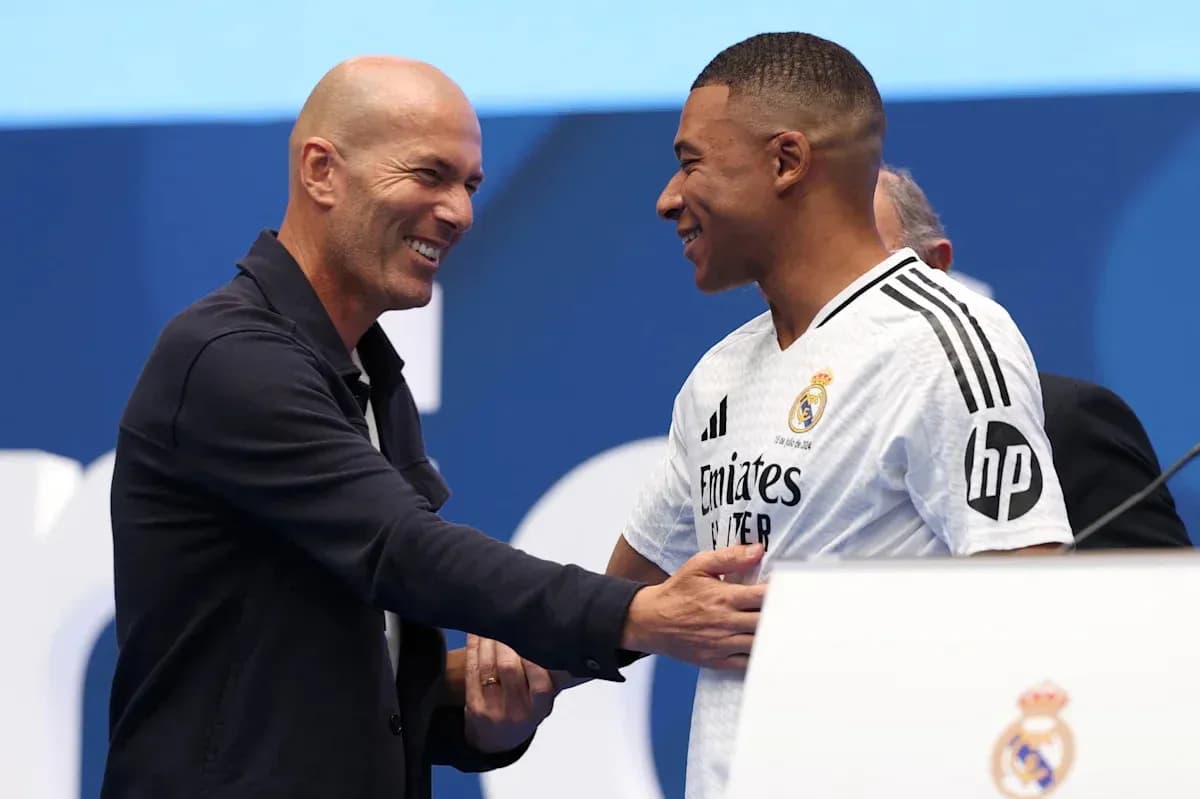
History, of course, is written by players as much as by designers. An archival video has thrown two giants into the same frame: Kylian Mbappé and Zinedine Zidane, reunited on screen and sparking the old debate with fresh fuel. Are these the two greatest players in the history of the France national team? One defined an era with a shaved head and a velvet first touch. The other is still in the middle of his story, all acceleration and inevitability. Different generations, same aura.
In Germany, another legend has chosen his exit line. Manuel Neuer, the goalkeeper who rewrote the job description, has confirmed he will retire from professional football at the end of the 2026-27 season. It sets a clear horizon for Bayern and for Germany’s long-time No.1. Three more campaigns, then the curtain comes down on a career that dragged the position 30 yards up the pitch and changed how the world thought about keepers.
While icons prepare their farewell, Chelsea continue to crash through financial ceilings. No club in football history has spent more often at the €100 million mark. The London side now stand alone with five signings in that bracket, a staggering figure that underlines just how aggressively they have attacked the market in recent years. Real Madrid are expected to close the gap soon, with the anticipated arrival of Yan Diomandé set to become their fourth transfer above that threshold. Two superclubs, one arms race, and a transfer market that keeps stretching the limits of what feels normal.
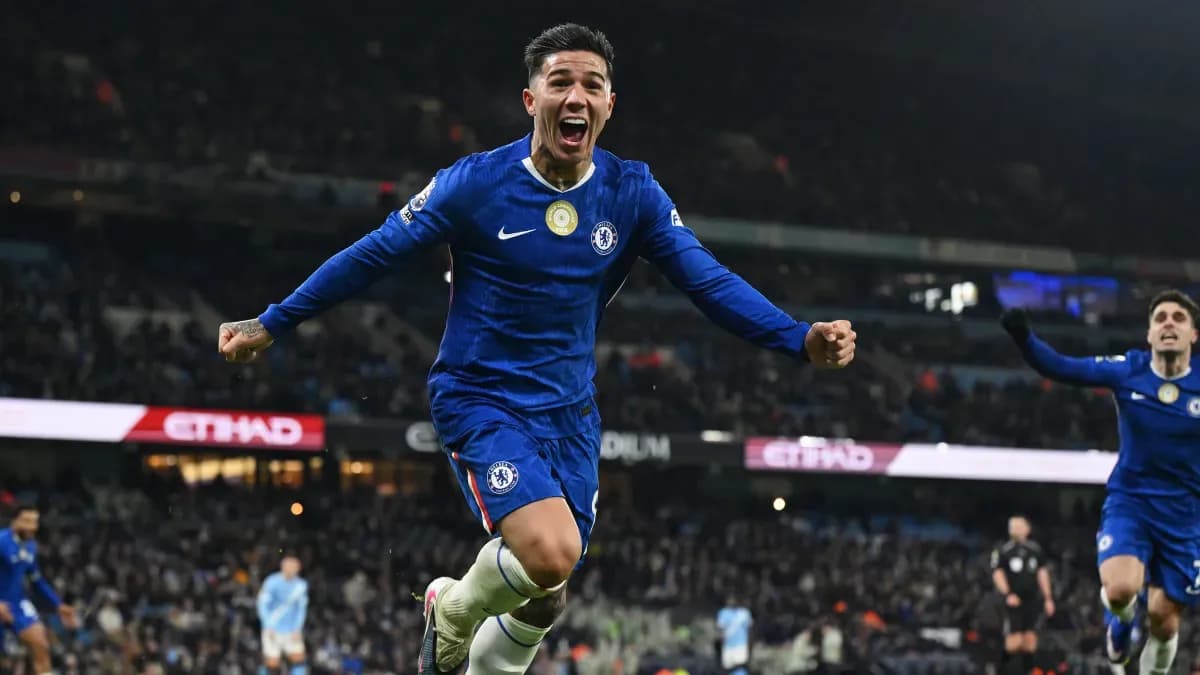
Yet for all that money, Chelsea’s most striking image remains a blank space. For the fourth straight season, the Blues will start the campaign without a shirt sponsor on the front of their kit. In an era when every inch of fabric is usually monetised, that clean blue chest stands out on television screens and in shop windows. This is no oversight. BlueCo’s leadership has chosen patience over compromise, holding out for a richer, more strategic partnership rather than grabbing a short-term deal.
It’s a calculated gamble. The club that loves smashing records in the transfer market is just as willing to wait on the commercial front. No logo, no rush, no panic. Just a bet that Chelsea’s badge, their young squad, and their global pull will eventually command a number that matches their ambition.
From Cucurella’s elbow art to France’s new crest, from Neuer’s ticking clock to a sponsorless Stamford Bridge, football’s symbols are shifting. The question now is simple: which of these bold choices will still look smart when the trophies and balance sheets are counted in a few years’ time?