Celtic Miss Opportunity with Marcelo Saracchi Transfer
Celtic turn their backs on cut‑price Saracchi as Houston close in
For all the noise about wage demands and personal terms, the truth is far simpler: Celtic never really went for Marcelo Saracchi.
No formal bid. No serious sit‑down with his camp. No haggling over salary. Boca Juniors were prepared to deal for under £1.5 million, and the eventual fee now heading to Argentina is closer to half that. In an era where £750,000 barely buys a promising teenager, an established Uruguay international is slipping out of Glasgow for the price of a squad player in the Championship.
And he wanted to stay.
Saracchi had Glasgow at the top of his list after a loan spell that quietly ticked almost every box. He knew the city, understood the scrutiny, and had already found his place in the dressing room. While Celtic pondered and procrastinated, Houston Dynamo saw the gap, accelerated through it, and are now on the brink of signing a 28‑year‑old international for what amounts to a rounding error in a modern transfer budget.
From title contributor to outcast
The contrast could hardly be sharper. In Buenos Aires, the atmosphere around Saracchi had turned poisonous. Back at Boca, he was frozen out, barred from senior training and dumped straight onto the transfer list. No reintegration, no second chance. Just the door.
That exile came on the back of a solid 2025/26 campaign in Scotland. One goal, two assists in 27 appearances does not scream headline act, but that was never his role. He was the dependable understudy, the player who filled gaps without complaint and kept standards high when others broke down or burned out.
He helped Celtic to a domestic double, provided crucial depth in a long, grinding season, and still did enough to hold his place in Uruguay’s squad for the 2026 FIFA World Cup qualifiers. That is not the profile of a risk. It is the profile of a ready‑made squad asset.
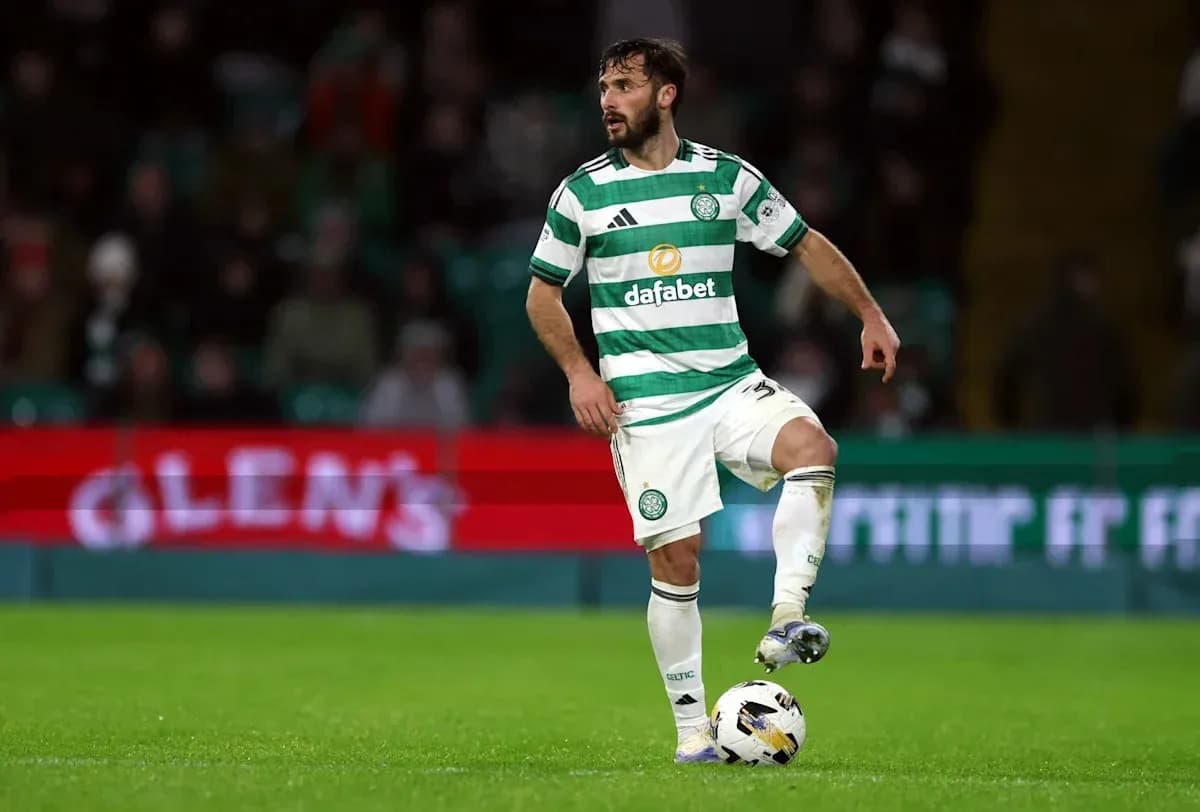
The image lingers: November 9, 2025, Celtic Park, Saracchi limping off against Kilmarnock in the league. A player who had thrown himself into the cause, now walking away injured. Months later, he is walking away for good, and not because the club were priced out.
A bargain left on the table
Strip this back to numbers and it becomes even harder to justify Celtic’s stance.
£750,000 for a seasoned international full‑back who has already adapted to the league, the climate, and the expectation. No bedding‑in period. No cultural shock. No guesswork over temperament. For a club that routinely spends more than that on development projects, it looks like a rare misstep.
Kieran Tierney is the undisputed first choice at left‑back, but his injury history is no secret. Muscle problems have stalked his career and forced managers to manage his minutes carefully. High‑quality cover is not a luxury in that context; it is essential.
Saracchi had already shown he could shoulder that responsibility. He accepted rotation without sulking, trained properly, and delivered when called upon. One moment in particular stands out: the assist for Daizen Maeda in the run‑in, a vital contribution in the title race from a player supposedly on the fringes.
This is exactly the sort of squad piece big clubs usually pay to keep.
Strategy or self‑inflicted wound?
There is, of course, a logic Celtic’s recruitment department will lean on. Younger targets bring resale value. The model is clear: buy potential, polish it, sell high. You cannot keep every popular loanee just because they “get” the club or settle quickly. Hard choices are part of elite planning.
But this situation felt different.
Boca had slashed the price. The player wanted to sign. The adaptation cost was zero. The financial risk was negligible. All the usual caveats that surround a permanent deal after a loan were stripped away. This was as close to a low‑risk decision as the market ever offers.
Instead, Celtic hesitated, allowed the situation to drift, and watched an MLS side step in with conviction. Houston Dynamo, not known as serial raiders of European giants, saw value where Celtic saw… what, exactly?
Inside Celtic Park, the question will linger: was this the right hill to save a few hundred thousand pounds on?
The cost of saying no
On paper, Celtic’s transfer operation remains one of the more efficient in Europe. They get far more right than wrong, regularly unearthing assets and replenishing the squad without reckless spending. That track record buys a degree of trust.
This decision, though, looks like an unforced error.
By passing on Saracchi at this price, Celtic now have to re‑enter the market for a backup left‑back. Any alternative is likely to cost more in fee, more in wages, and more in time. Weeks, maybe months, to adapt to the league and the club. No guarantees that the new arrival will match the reliability and attitude that Saracchi already demonstrated in Glasgow.
Houston will bank on those qualities in MLS. Celtic, meanwhile, are back at square one on that side of the pitch, searching again for cover they effectively had in their hands.
In a season where depth could decide whether domestic dominance is maintained and European ambitions are realised, turning away from a bargain of this scale is not just curious. It could yet prove expensive.