Celtic Fans Split Over Robbie Keane Amid Maccabi Tel Aviv Backlash
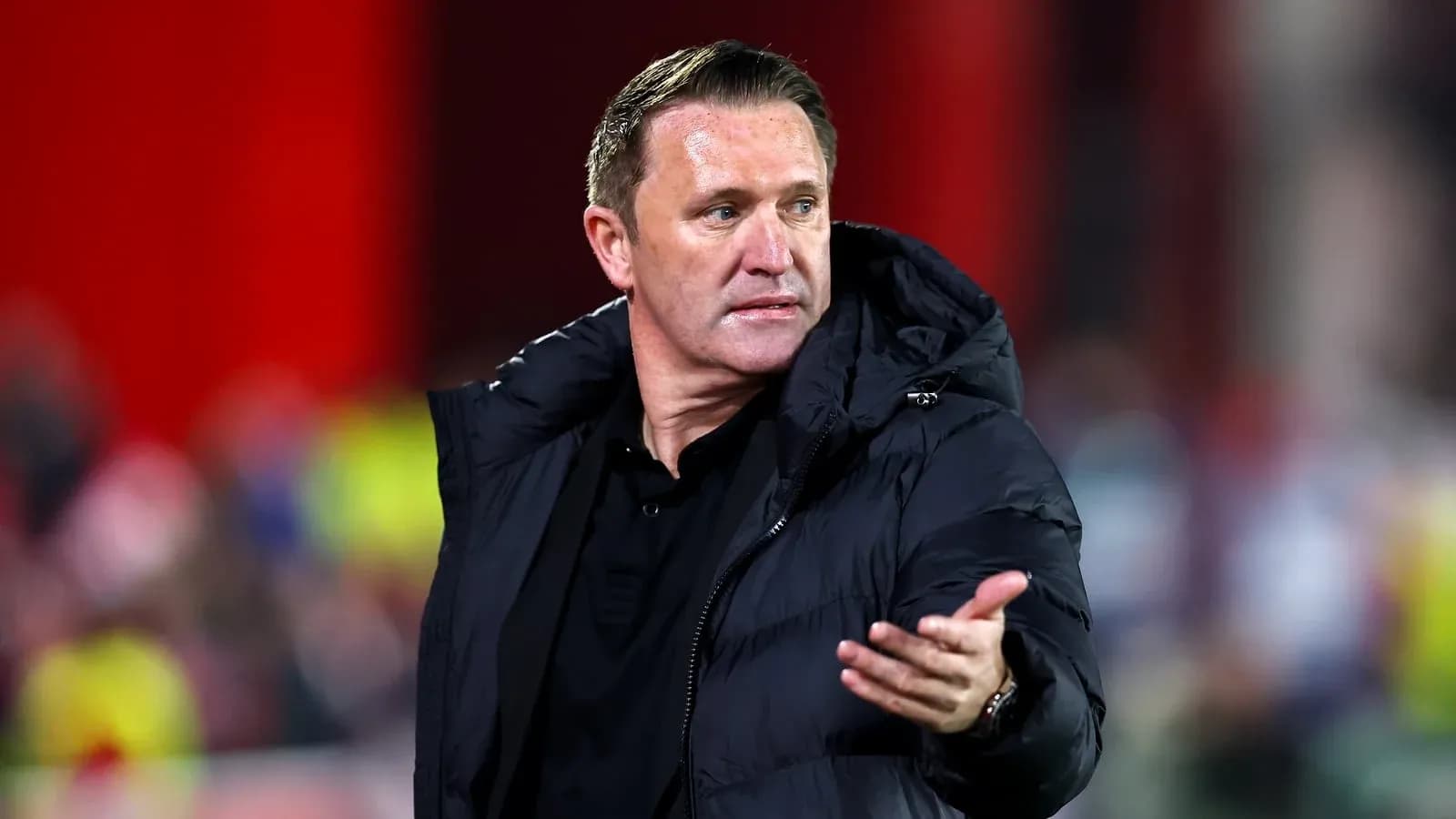
The prospect of Robbie Keane walking back through the doors of Celtic Park as manager was once the kind of fantasy that lived in highlight reels and nostalgic pub talk. Now, as his name moves into serious contention, the mood around the stadium is anything but romantic.
Keane, the Republic of Ireland’s record goalscorer and a cult hero from his prolific loan spell in Glasgow in 2010, is among the favourites to take charge, with reports of ongoing talks with principal shareholder Dermot Desmond. On football terms alone, his CV carries weight: league titles in Israel and Hungary, a reputation as an intelligent, modern coach, and the star power that once lit up the East End of Glasgow.
But this is no simple managerial debate. It has become a test of identity.
Fans mobilise against Keane
Over recent days, the walls around Celtic Park have started talking. Graffiti and banners rejecting the idea of Keane as manager have appeared outside the stadium, mirroring a growing online campaign led by a group calling itself Celtic Fans for the Liberation of Palestine.
That campaign moved up a gear when the North Curve Celtic account on X published a list of 67 supporters’ groups said to have endorsed a statement opposing Keane’s appointment. It is not a fringe collection. The list includes the influential Green Brigade and Bhoys Celtic ultras, well-known podcasts such as the Cynic and eTims, and long-established organisations like Glasgow University Celtic Supporters Club and Craigneuk Tommy Gemmell CSC.
Their message is blunt. For these groups, Keane’s decision to manage Maccabi Tel Aviv during Israel’s war in Gaza crosses a line that Celtic, in their eyes, cannot ignore.
The statement stresses what many at Celtic Park regard as a defining part of the club’s soul: “Celtic supporters have a long and proud history of solidarity with the Palestinian people.” It goes on to say that Keane’s choice to work in Israel “during the genocide in Gaza is impossible to ignore” and describes his decision as “unconscionable”, given the proximity of Tel Aviv to the bombardment in Gaza.
The signatories root their argument in the club’s origins, invoking Celtic’s foundation by a community scarred by “genocide, displacement and famine” and insisting that the club’s roots lie in “solidarity with those who suffered injustice and oppression”.
From their perspective, appointing Keane now would not only be politically and morally unacceptable, but also “deeply divisive among the support” at a time when, they argue, unity is essential. They also brand it a “predictable and uninspiring choice” when they believe the club should be showing “greater ambition”.
Their conclusion is a direct challenge to the board: listen, and change course.
Keane’s decision under the spotlight
Keane’s timeline is not in dispute. He took the Maccabi Tel Aviv job in June 2023, months before the Hamas-led attacks of 7 October and the subsequent Israeli bombardment of Gaza, which has led to the deaths of more than 70,000 people, according to widely cited figures.
The political and moral judgement, however, is where the fault lines appear.
Last October, an independent UN commission concluded that Israel had committed genocide against Palestinians in Gaza. For a sizeable section of Celtic’s support, that context makes Keane’s continued presence in Israel during the season impossible to separate from any discussion about his suitability to manage their club.
On the pitch, his year in Tel Aviv was a success. The 45-year-old guided Maccabi to a league and cup double before resigning in the summer of 2024. Off the pitch, he later explained that he stayed for the full campaign partly out of responsibility to the staff he had brought with him.
“I have a duty of care,” he said, pointing to the example of an analyst who left Middlesbrough after 12 years to follow him to Israel. Walking away mid-season, Keane argued, would have meant abandoning that colleague and his family. He insists he chose instead to see out the year, then walk away from what he described as a lucrative deal: “a big contract – another year, possibly two more years”. The decision, he said, was taken collectively by his backroom team.
For some, that explanation will carry weight. For others, especially among those now publicly opposing his return to Celtic Park, it will not come close to addressing the core issue: that he chose to stay in Israel while Gaza burned.
A club wrestling with its conscience
Celtic is no stranger to political symbolism. Palestinian flags in the stands, fines from UEFA, and a support that often wears its internationalist, anti-oppression stance as proudly as its green and white hoops – all of it forms part of the modern identity of the club.
That is why this debate cuts so deep. It is not about tactics, formations or transfer budgets. It is about what Celtic are, and what they are prepared to accept from the figure who leads them from the dugout.
The statement from the 67 groups frames this moment as a crossroads. “At a time when Celtic requires unity and collective purpose,” they argue, Keane’s appointment would fracture the support. The board, they say, must “reconsider this appointment”.
For now, there is no official confirmation that Keane will be offered the job. Talks with Desmond are reported to be ongoing, and other candidates remain in the frame. But the message from a vocal and organised section of the fanbase is unmistakable: appoint Keane, and expect a storm.
Celtic’s hierarchy now face a decision that stretches far beyond football logic. Do they back their own judgement on a coach with a winning record and deep personal ties to the club, or do they bow to a support that insists some lines, once crossed, cannot be walked back?