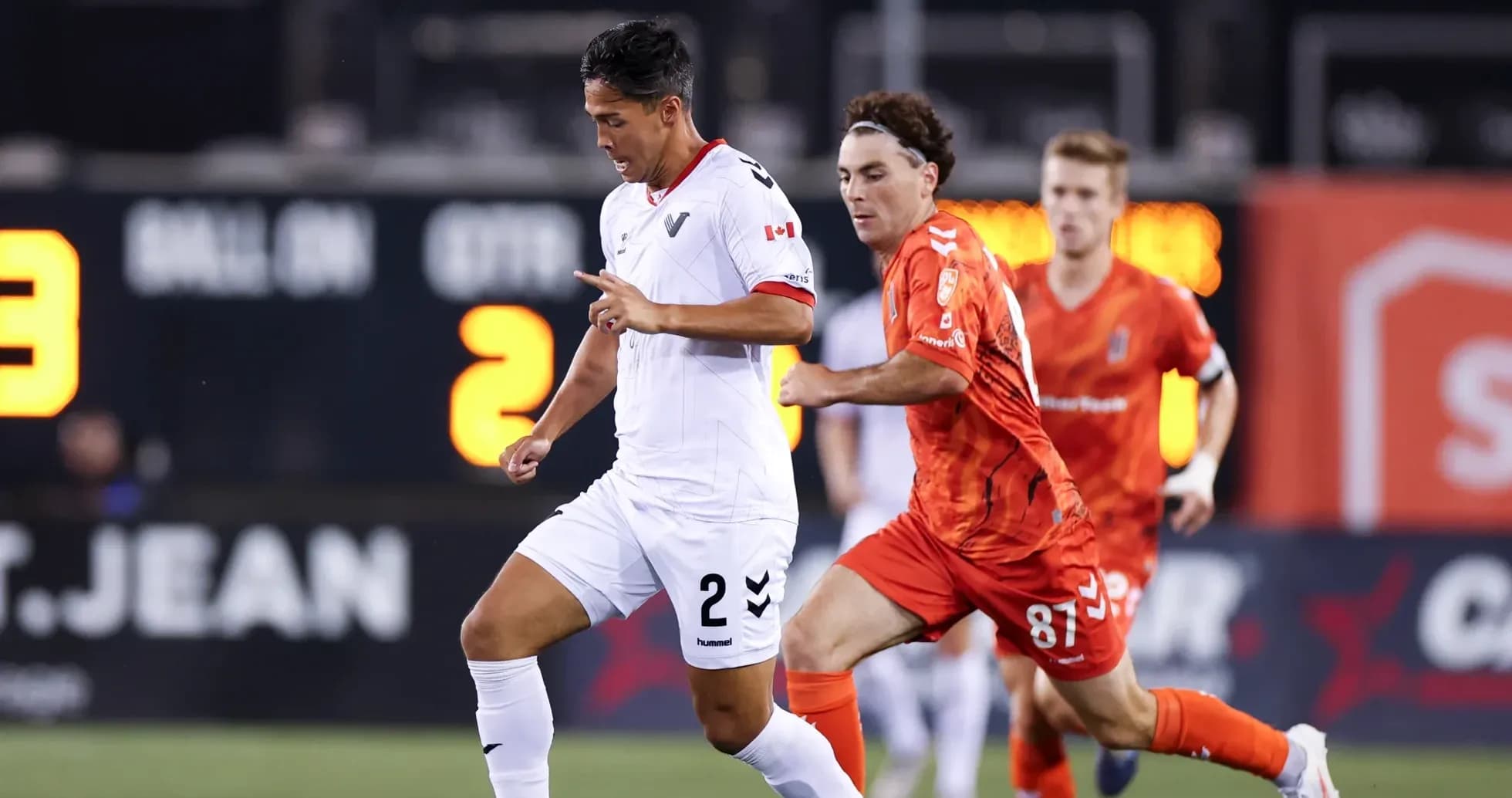
Cavalry FC Dominates Vancouver FC in Canadian Premier League Clash
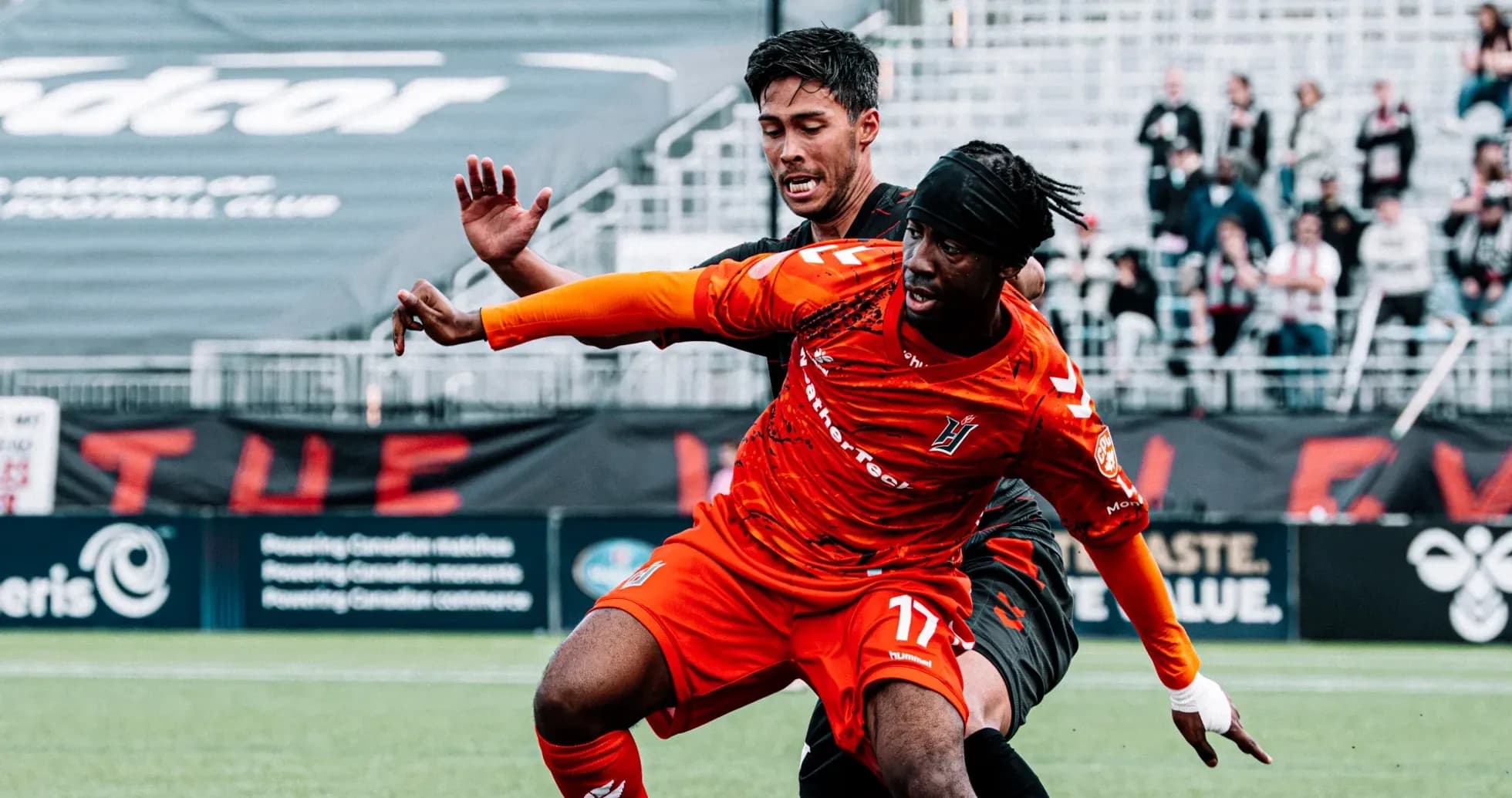
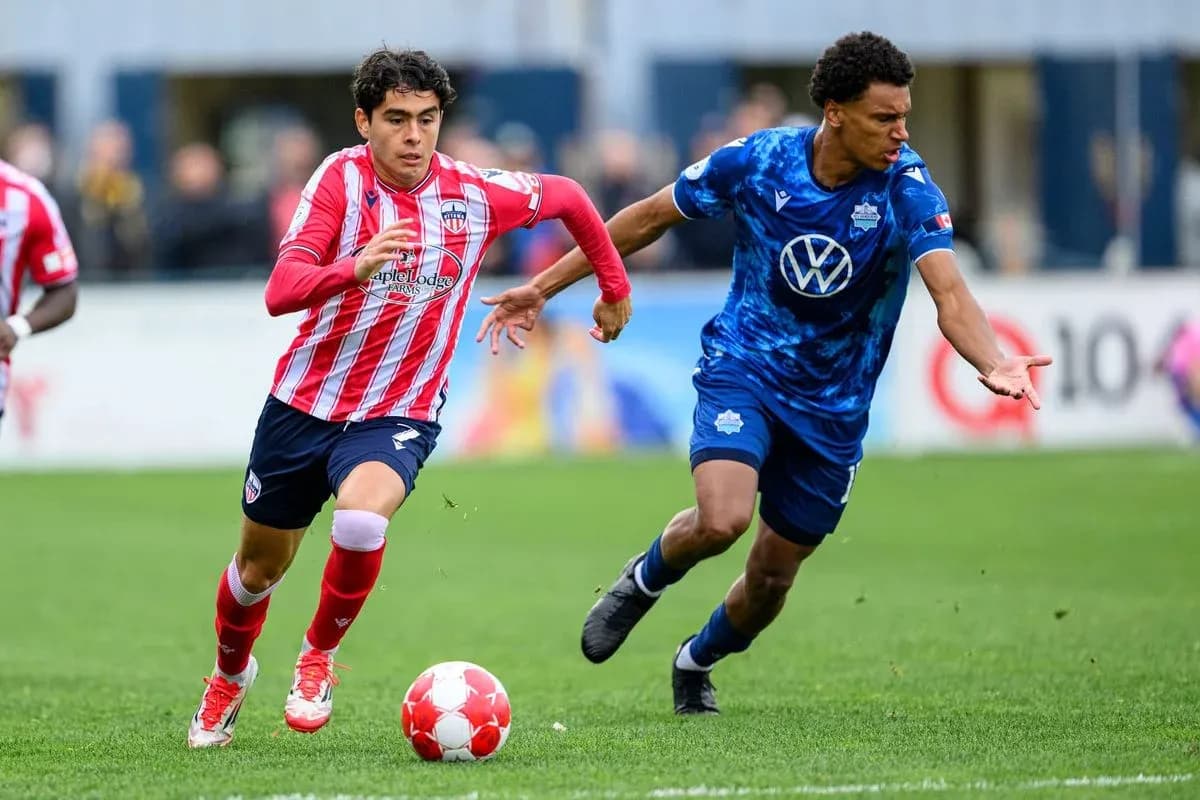
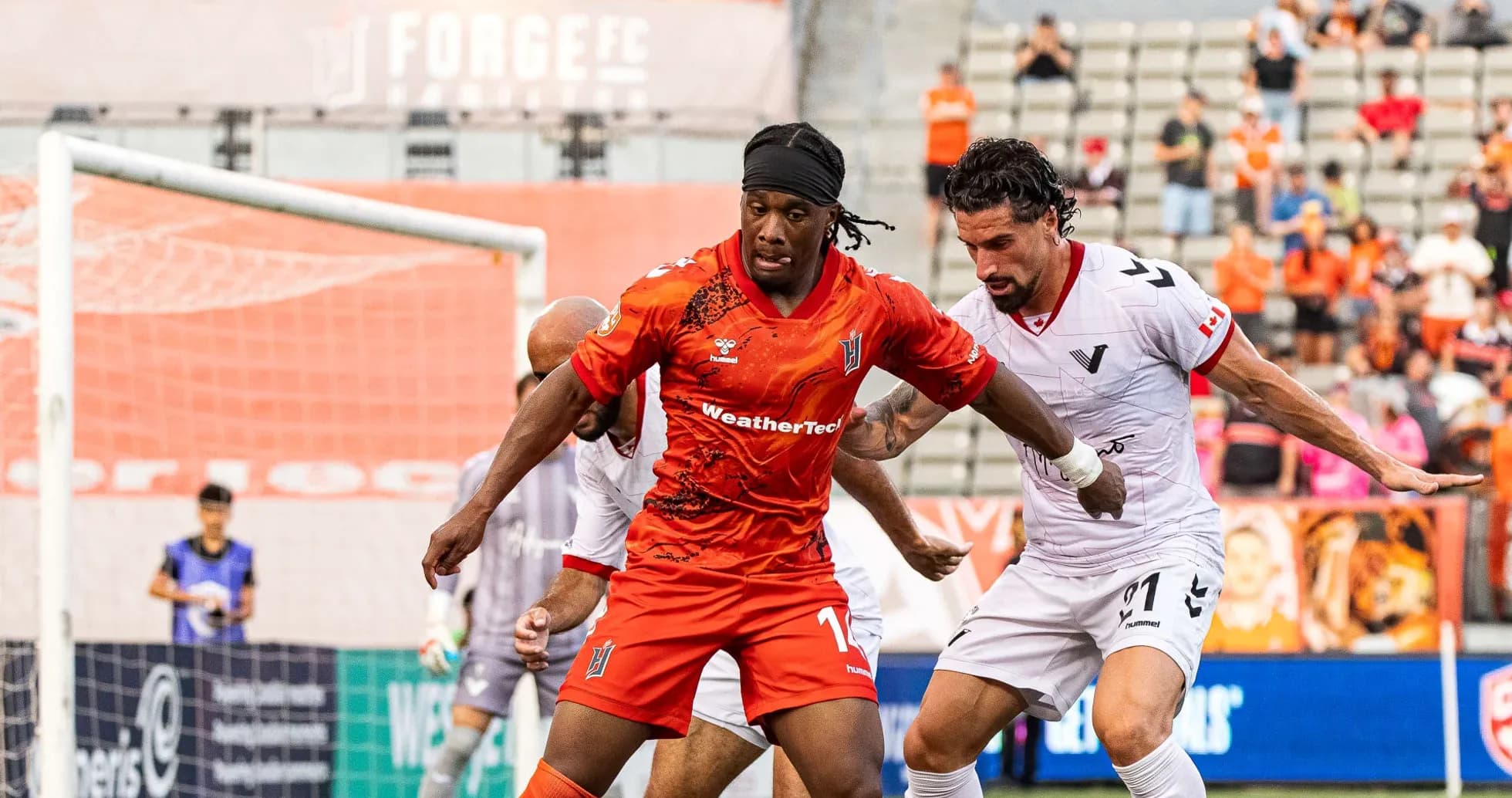
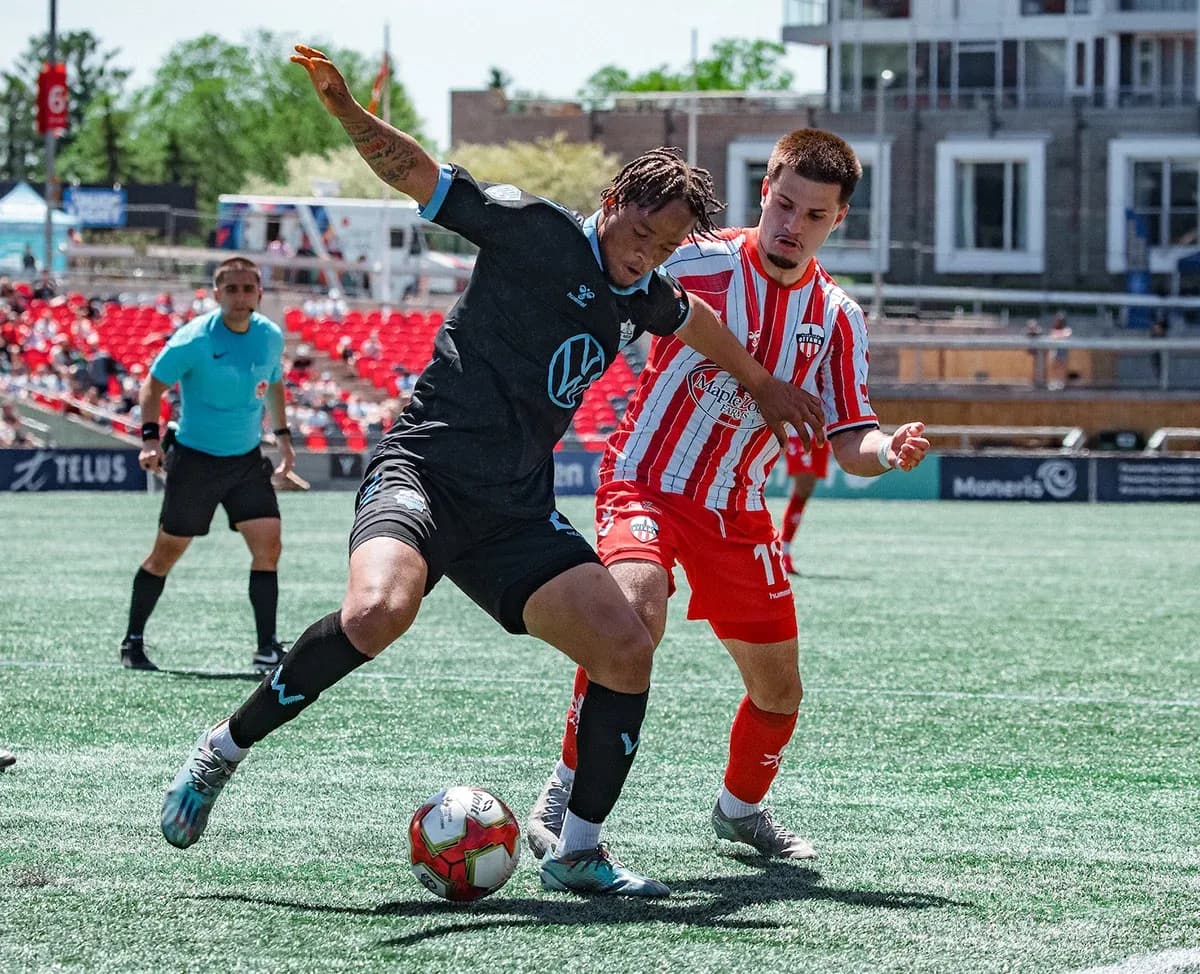
Under the floodlights at Willoughby Community Park Stadium, this Canadian Premier League group-stage meeting told a familiar story for both clubs. Vancouver FC, heading into this game as a fragile outfit at home, were shut out again in a 2–0 defeat to a Cavalry FC side that increasingly looks built for the long haul of a title push.
Following this result, the trajectories of the two teams feel even more sharply defined. Vancouver sat 7th with 4 points, their overall record of 1 win, 1 draw and 4 defeats underlining a campaign still searching for identity. Their goal difference of -3 comes directly from 4 goals scored and 7 conceded overall, but the split is revealing: at home they had played 3, lost 3, scored 0 and conceded 4. On their travels they had been competitive, with 4 goals for and 3 against. Willoughby, for now, is not a fortress but a weight.
Cavalry arrived as a side in control of their narrative. Second in the table with 14 points, unbeaten across 6 matches (4 wins, 2 draws, 0 defeats) and a goal difference of +6 from 9 goals for and 3 against overall, they have blended solidity with efficiency. Away from home they had played 4, winning 3 and drawing 1, with 5 goals scored and just 1 conceded. The full-time 2–0 here simply extended a pattern: Cavalry do not just travel; they impose.
I. The Big Picture: Structures and Intent
The lineups offered a clear contrast in maturity and cohesion. Martin Nash’s Vancouver XI, with C. Irving in goal, leaned on the defensive spine of M. Doner, M. Campagna, T. Field and K. Proctor. In midfield, the presence of I. Ssewankambo and M. Polisi suggested a double pivot tasked with both screening and initiating, while the attacking line of A. Traore, N. Mezquida, M. Amissi and T. Campbell hinted at a desire to play on the counter, using mobility rather than weight of numbers.
Cavalry, under Tommy Wheeldon, were more clearly defined. N. Ingham behind a back line of A. Pearlman, D. Klomp, A. Didic and Fewo, with a midfield axis built around S. Camargo and E. Kobza, plus the wide and creative threats of A. Musse, G. Ntignee and C. Elva supporting central forward T. Warschewski. Their seasonal tendency toward a 4-2-3-1 structure (played 3 times) was mirrored in the personnel: a disciplined double pivot, three advanced creators, and a focal point up top.
II. Tactical Voids and Disciplinary Edges
There were no explicit absentees listed, so both coaches effectively had their core groups available. Yet the voids for Vancouver were structural rather than personnel-based. The statistics tell of a side that cannot translate possession into threat at home: 0 goals scored at home in total, with an average of 0.0 goals for at Willoughby and 1.3 on their travels. They had failed to score in 3 home matches and 1 away, 4 times overall. This is not a finishing blip; it is a systemic disconnect between build-up and final-third execution.
Defensively, Vancouver’s overall goals against average of 1.2 per match (1.3 at home, 1.0 away) is not catastrophic, but without attacking output it becomes decisive. Their card distribution underscores a team often chasing games late: 23.08% of their yellow cards arrive between 76–90 minutes, and another 15.38% from 91–105. They are more likely to be stretched and desperate in the closing phases than dictating tempo.
Cavalry’s discipline profile is more controlled but still combative. Their yellow cards peak between 61–75 minutes (30.77%), the phase where they often tighten their grip or defend a lead. The spine of Pearlman, Camargo and H. Paton embodies that edge. Pearlman has 2 yellow cards in 6 appearances, Paton 2 as well, and Camargo another 2 – all three are willing to foul to manage transitions.
III. Key Matchups: Hunter vs Shield, Engine Room Battles
The most intriguing clash on paper lay down Vancouver’s right flank. Doner, one of Vancouver’s standout performers, brings 1 assist, 7 key passes and an 87% pass accuracy from 83 total passes. He is their primary creative outlet from deep, winning 15 of 22 duels and drawing 8 fouls. Opposite him, Cavalry’s left-sided combination of Musse and Elva offered the capacity to pin him back. Musse, with 1 assist and 7 key passes from just 101 minutes, is a high-impact creator, while Elva’s movement between the lines forces full-backs into constant decision-making.
Cavalry’s “hunter” is not a pure poacher but a collective: Warschewski, Musse, Ntignee and the late-arriving Paton. Warschewski has 1 goal from 9 shots (6 on target) and has already won a penalty, underlining his penalty-box presence. Paton, with 1 goal, 4 key passes and 10 tackles, is the hybrid eight who can both break and build. Against a Vancouver defence that concedes 1.3 goals at home on average and has no clean sheets at Willoughby, this multi-pronged threat was always likely to find cracks.
In midfield, the “engine room” duel set Polisi and Ssewankambo against Camargo and Kobza, with Paton and Mezquida floating between lines. Polisi, Vancouver’s most carded player with 3 yellows, is central to their pressing and ball-winning – 4 tackles, 1 interception and 1 blocked shot – but his aggression can be a double-edged sword against Cavalry’s ball-secure passers. Camargo, with 93 passes at 79% accuracy, and Kobza’s metronomic presence, help Cavalry control rhythm. Once they establish that control, their back line – anchored by Klomp, who has 166 passes at 92% accuracy and 1 blocked shot – can step high and suffocate.
IV. Statistical Prognosis and xG-Style Verdict
Even without explicit xG numbers, the underlying patterns are stark. Vancouver’s overall goals for average of 0.7 per match, combined with 0.0 at home, points toward consistently low-quality chance creation in front of their own fans. Cavalry’s overall goals for average of 1.5, paired with just 0.5 goals against per match, and only 1 goal conceded across 4 away games, paints the profile of a side that routinely generates better chances than they allow.
Cavalry’s three away clean sheets in total underline how effectively they limit opposition xG on their travels. Vancouver, with 0 clean sheets overall and 4 matches where they failed to score, simply do not give themselves enough margin for error. The 2–0 here fits a probabilistic script: Cavalry’s layered attack eventually breaks through, while their defensive structure and game management – including that late yellow-card surge between 61–75 minutes – snuff out any late Vancouver push.
Narratively, this match felt less like a one-off and more like a confirmation. Vancouver’s identity crisis at home persists; their most dangerous players, Doner and Amissi, are being asked to conjure moments against well-drilled blocks rather than in broken-field transitions. Cavalry, by contrast, move further into the season with the assuredness of a side whose numbers and performances align. The scoreboard at full time merely gave those numbers a voice.