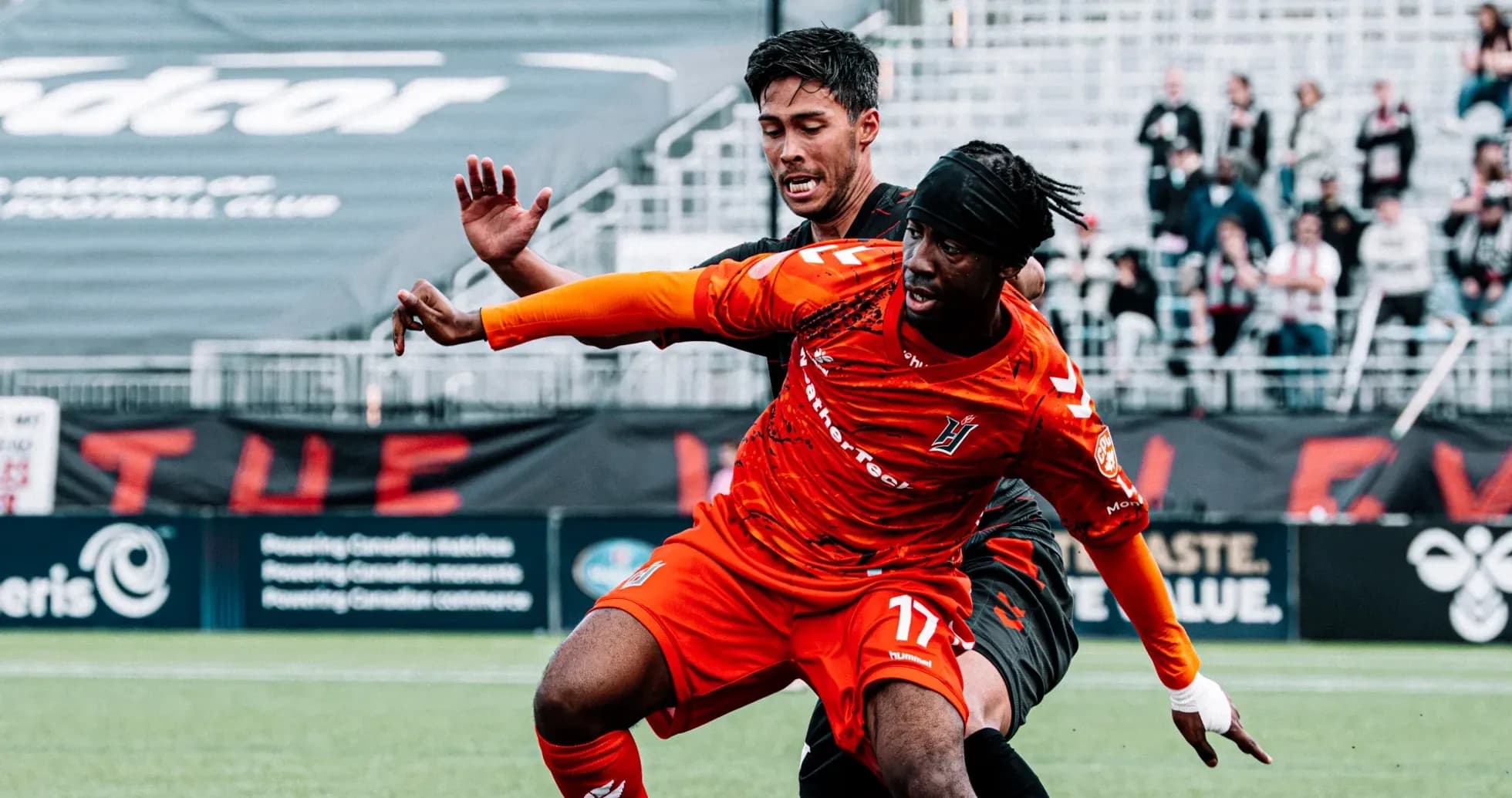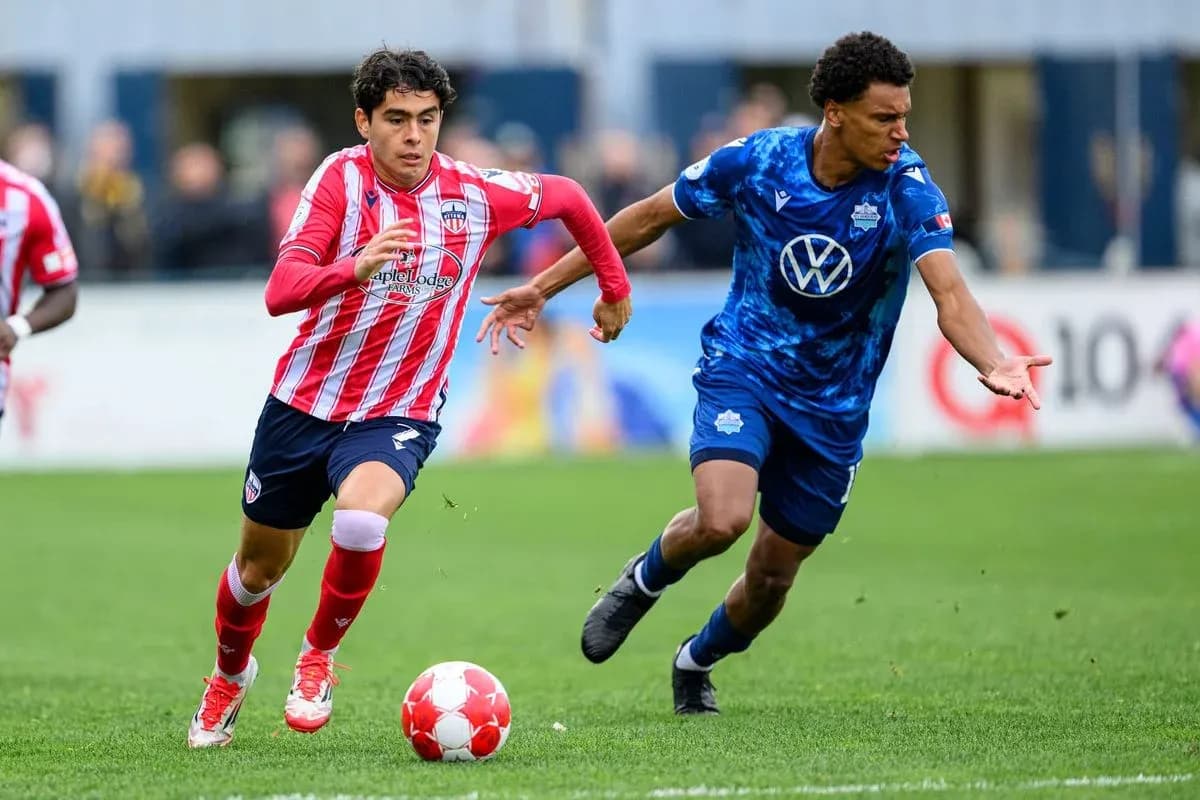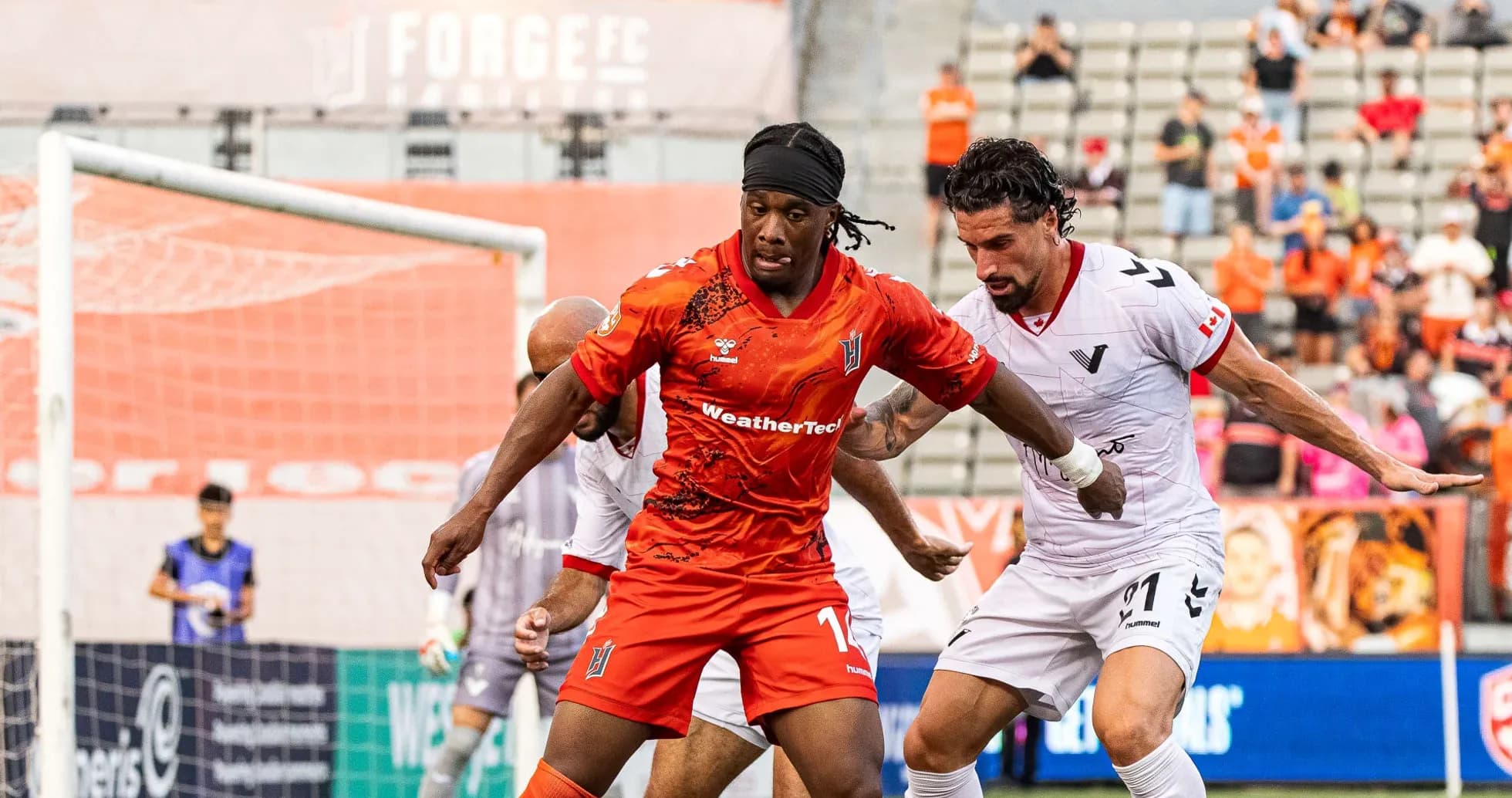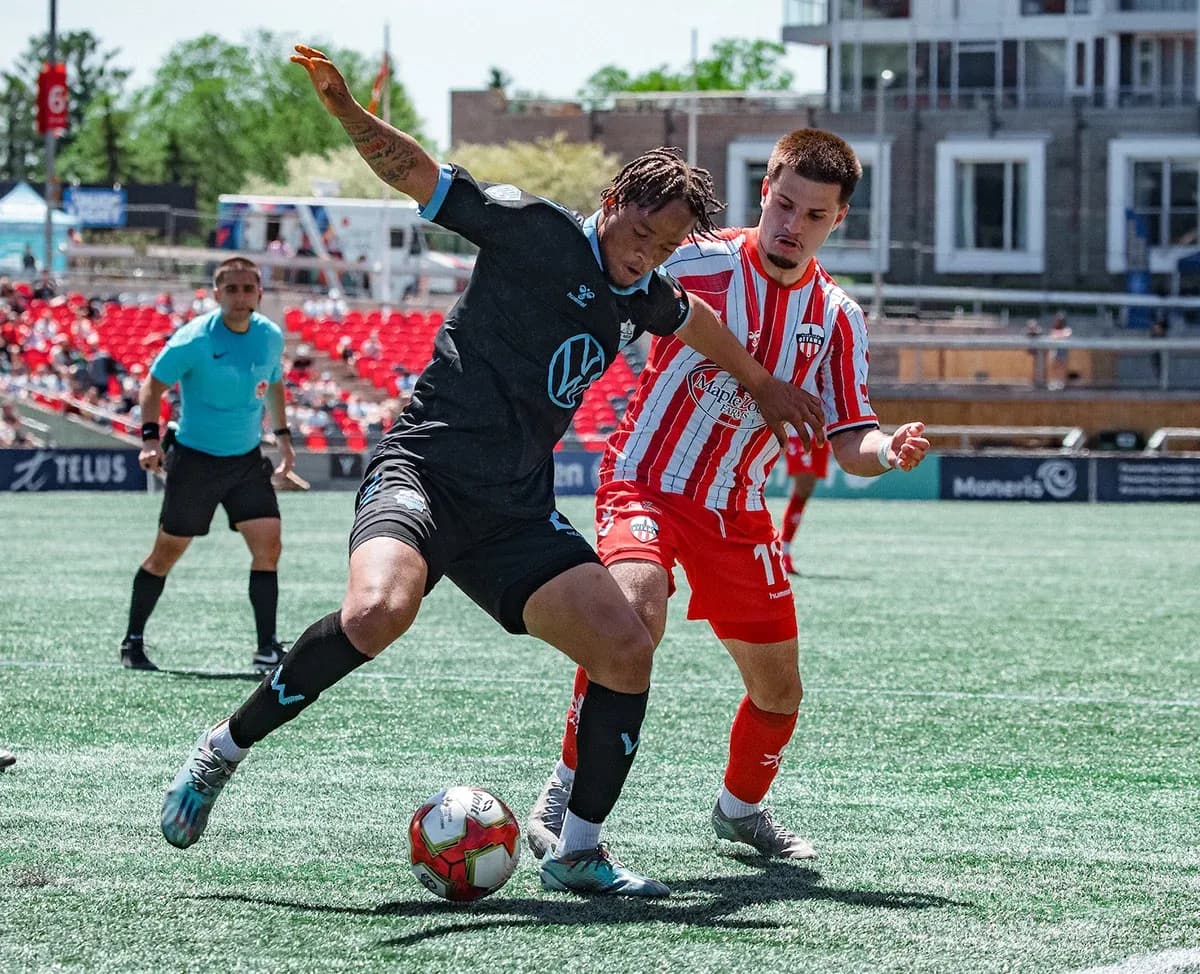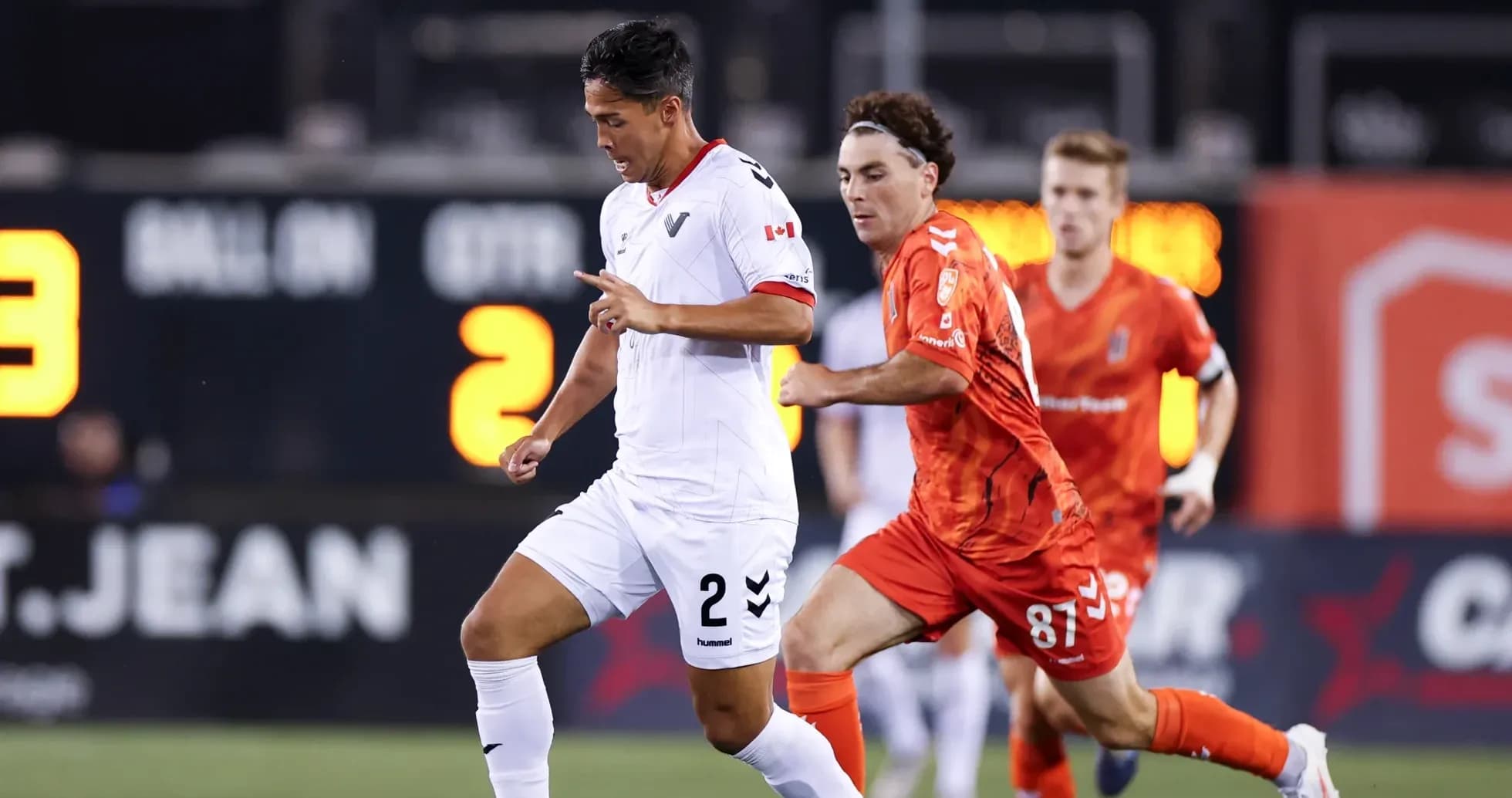
Cavalry FC Dominates Pacific FC 3-0 at ATCO Field
On a cool night at ATCO Field, Cavalry FC did far more than collect three points. In a 3–0 dismantling of Pacific FC, the league leaders showcased exactly why they sit top of the Canadian Premier League table, while underlining just how fragile Pacific’s foundation has become.
Following this result, the contrast in seasonal DNA is stark. Cavalry, first with 17 points, have built their campaign on balance and control. Overall this season they have scored 12 goals and conceded 3, a goal difference of 9 that accurately reflects their blend of cutting edge and defensive order. At home, they have been even more ruthless: 7 goals for and just 2 against across 3 matches, averaging 2.3 goals scored and 0.7 conceded. Pacific, rooted in eighth with 1 point, are living the inverse reality. Overall they have 6 goals for and 15 against, a goal difference of -9; away from Vancouver Island, they have scored 2 and conceded 5 in 2 outings, shipping an average of 2.5 goals per away match.
I. The Big Picture – How Cavalry suffocated the contest
Tommy Wheeldon sent out a Cavalry side that, even without a listed formation, clearly mirrored the club’s preferred 4-2-3-1 structure. N. Ingham anchored a back line of A. Pearlman, D. Klomp, A. Didic and L. Laing – three of whom rank among the league’s more composed defenders. Ahead of them, the technical axis of J. Herdman and S. Camargo provided the passing angles, with the dynamism of E. Kobza and G. Ntignee pushing Pacific’s full-backs deep. C. Elva and leading scorer T. Warschewski formed the cutting edge.
This was not a smash-and-grab. It was a controlled escalation. Cavalry, who overall average 1.7 goals per match and only 0.4 conceded, leaned into their strengths: territorial dominance, structured pressing and an ability to turn half-chances into sustained pressure. The 0–0 half-time scoreline belied a pattern that was already tilting heavily in their favour; once the second half began, the dam finally broke.
Pacific, by contrast, arrived with the scars of a season already slipping away. James Merriman’s XI had E. Himaras in goal behind a back four of K. Chung, D. Konincks, J. Belluz and C. Greco-Taylor. The midfield of J. Heard, M. Baldisimo and T. Gomulka, flanked by Y. R. Toualy and R. Kratt, was tasked with feeding A. Daniels. But a side that overall concedes 2.1 goals per game and has yet to keep a clean sheet again looked brittle once Cavalry raised the tempo.
II. Tactical Voids – Discipline, fatigue, and mental fragility
There were no officially listed absences, but the void that mattered most for Pacific was psychological. Their season-long card profile hints at a team that unravels as matches stretch and stakes rise. A remarkable 42.86% of their yellow cards come between 91–105 minutes, with an additional 28.57% between 61–75. Red cards spike late as well: 66.67% between 76–90 and 33.33% between 91–105. Even if no dismissal defined this particular night, that disciplinary pattern mirrors what unfolded: a side that grows increasingly desperate and disjointed the longer it has to chase.
Cavalry’s own yellow-card distribution is more controlled, but telling: 26.67% of their cautions arrive between 61–75 minutes and 20.00% between 76–90. They are aggressive when it matters, managing transitions with tactical fouls rather than emotional lunges. Players like A. Pearlman (3 yellows overall) and H. Paton (2 yellows overall) embody that edge; they play on the line without frequently crossing it.
III. Key Matchups – Hunter vs Shield, Engine Room vs Enforcer
Hunter vs Shield
The headline duel was always going to be Cavalry’s attack against Pacific’s porous defence. Warschewski, with 2 league goals and 12 shots (7 on target), is not merely a finisher; his 6 key passes and 1 penalty won show a forward who constantly forces decisions. Behind him, Elva and Ntignee add direct running and creativity – Ntignee’s 21 dribble attempts and 64 total duels overall speak to his role as a relentless one‑v‑one threat.
Facing them, Pacific leaned heavily on D. Konincks and J. Belluz. Konincks has been one of the few bright spots in a dark season: 1 goal, 1 assist, 173 passes at 90% accuracy, 4 tackles, 1 successful block and 5 interceptions overall. He is both organiser and fire-fighter. Belluz, with 1 blocked shot and 4 interceptions overall, adds aerial dominance and recovery speed. But even this pairing has not been able to mask the structural issues of a side that overall concedes 2.0 goals at home and 2.5 away.
On this night, the “shield” simply could not withstand the sustained pressure. As Cavalry pushed numbers forward, Konincks and Belluz were forced to defend wider and higher than they prefer, leaving lanes for late runners and second balls. Once the first goal went in, the contest tilted decisively.
Engine Room
In midfield, the clash was subtler but just as decisive. For Cavalry, Paton and Camargo form a complementary duo. Paton’s 126 passes at 85% accuracy, 10 tackles and 40 duels overall make him the side’s metronome and enforcer rolled into one. Camargo, with 129 passes at 81% accuracy and 8 successful dribbles overall, is the connector between lines.
Pacific’s response was built around Baldisimo and Gomulka screening the back four, with Heard and Toualy tasked with stretching the play. Yet Heard’s disciplinary record – 1 red card and 3 fouls committed overall – hints at a player who can be drawn into risky challenges when overrun. That dynamic reappeared here: as Cavalry’s rotations pulled Pacific’s midfield out of shape, the visitors’ double pivot struggled to track runners and maintain compactness.
IV. Statistical Prognosis – Why 3–0 felt inevitable
Even without explicit xG numbers, the season’s statistical arc explains why a comprehensive Cavalry win felt almost pre‑written.
Heading into this game, Cavalry had:
- Overall: 12 goals for, 3 against in 7 matches, averaging 1.7 scored and 0.4 conceded.
- At home: 7 goals for, 2 against in 3 matches, averaging 2.3 scored and 0.7 conceded.
- Four clean sheets overall, including 1 at home.
Pacific, meanwhile, had:
- Overall: 6 goals for, 15 against in 7 matches, averaging 0.9 scored and 2.1 conceded.
- Away: 2 goals for, 5 against in 2 matches, averaging 1.0 scored and 2.5 conceded.
- Zero clean sheets overall and 3 matches without scoring.
Overlay those profiles and the shape of the night becomes clear. A Cavalry side that rarely concedes and reliably creates against a Pacific team that struggles to protect its own box and frequently fails to score. The 3–0 scoreline is less an outlier than a statistical midpoint of their respective trajectories.
Following this result, Cavalry’s unbeaten run and defensive parsimony strengthen their status as title favourites. Pacific, on the other hand, must confront a deeper issue than tactics or personnel: a collective belief system eroded by repeated late collapses and an inability to control key moments. Until they solve that, nights like this at ATCO Field will remain less a shock and more a grim confirmation of where these two clubs truly stand.