Why Brazilian Players Keep Joining Shakhtar Donetsk Despite Ukraine's War
Shakhtar Donetsk has maintained its reputation for signing young Brazilian footballers, even as the war in Ukraine continues. The club’s unique relationship with Brazilian talent has persisted despite the ongoing challenges posed by Russia’s invasion.
A Longstanding Conflict and Displacement
The conflict involving Shakhtar started long before Russia’s full-scale invasion in 2022, stretching back to 2014 when violence erupted in their home city of Donetsk. Since then, Shakhtar has been displaced, operating from Kyiv and Lviv, far from their original base, with their Donbas Arena stadium damaged by shelling.
Playing home games in western Ukraine and even abroad in Poland and Germany, the club has been living in exile while maintaining its competitive edge and identity.
The Brazilian Talent Pipeline
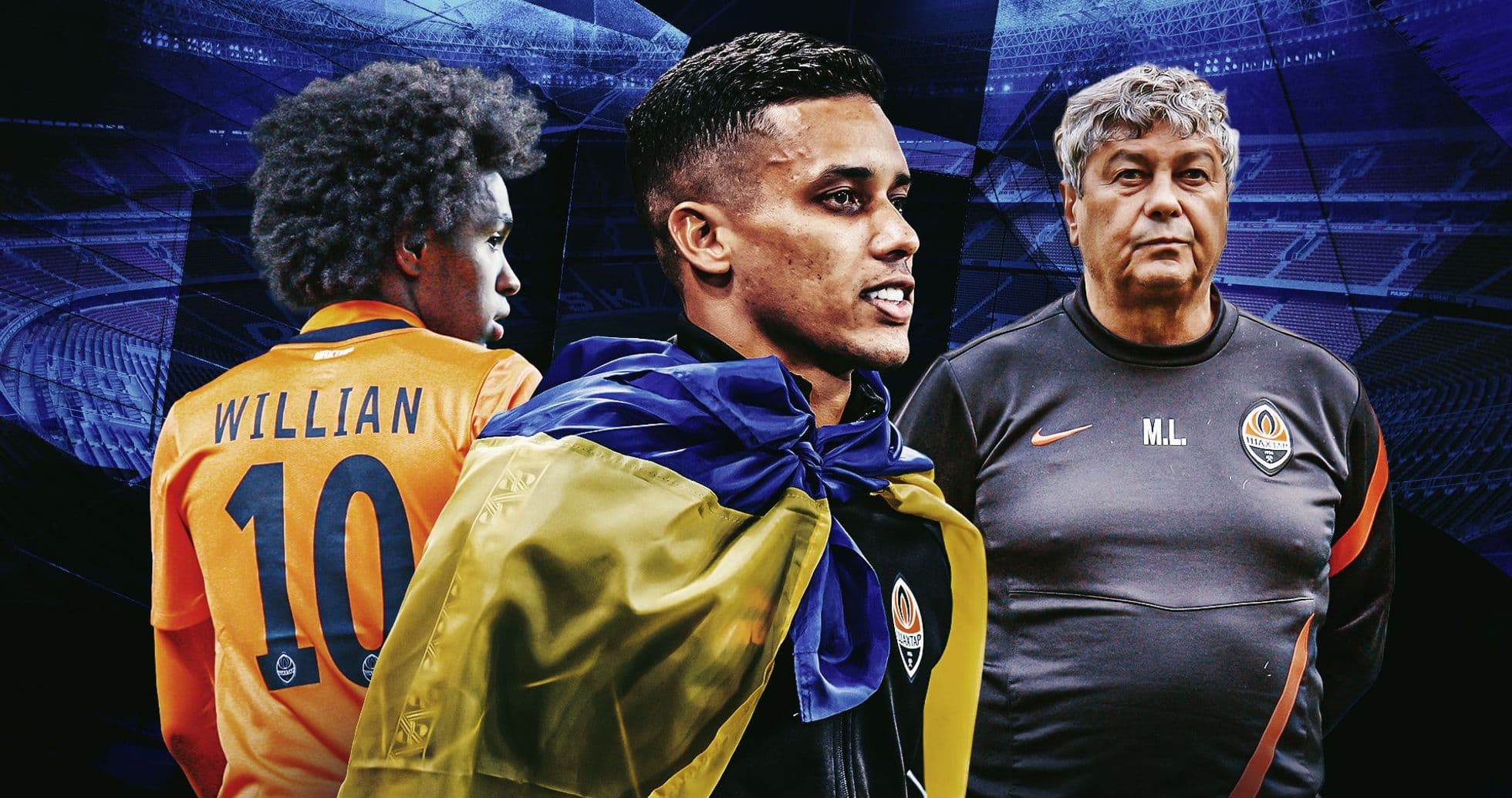
Known as "the Miners," Shakhtar’s bright orange kits and their 2009 Europa League win are notable, but they are most famous for discovering Brazilian players. Stars like Willian, Fernandinho, and record goal-scorer Luiz Adriano began their European careers here.
Despite the war, the club reached a milestone this summer by signing their 50th Brazilian player, currently hosting a record 14 Brazilians on the roster. CEO Sergei Palkin emphasizes that the conflict isn’t a reason to stop but rather a challenge to adapt quickly and keep developing.
Origins of the Brazilian Strategy
The Brazilian link was established over 20 years ago, driven by club president Rinat Akhmetov’s admiration for Brazil’s style of football. Early signings like Brandao in 2002 laid the groundwork, but it was under coach Mircea Lucescu (2004–2016) that the strategy flourished, bringing in talents such as Elano and Jadson.
"We wanted to attract fans and turn every match into a show," Lucescu said. "Only Brazilians put on a show."
This approach produced profitable sales and Premier League stars, cementing Shakhtar’s place as a gateway for Brazilian players to Europe.
Building a Brazilian Community Far From Home
Although Donetsk is an industrial city many might avoid, the club created a supportive environment with translators and local businesses aiding the Brazilian players. This community helped attract more talent despite the harsh setting.
Ryan Roberto, signed from Flamengo as the 50th Brazilian, cited the presence of many compatriots as a key factor in his decision to join. The club’s ability to welcome and support Brazilians remains strong even amid displacement.
Challenges of War and Exile
Players live with the constant threat of air-raid sirens and often shelter in bunkers, especially in Lviv, where the team now trains and plays. Brazilian forward Pedrinho speaks about the mental toll and how the older players support younger ones through these difficulties.
"The biggest challenge is staying mentally strong," Pedrinho said. "Football brings some joy and relief amid all this."
Travel demands add to fatigue, with players often spending hours on buses due to the lack of a permanent home stadium, which has contributed to injuries and exhaustion.
Adapting the Business Model
Shakhtar’s recruitment has evolved due to the war. They now sign younger players and shorten adaptation periods drastically. For instance, winger Kevin was sold to Fulham just 19 months after joining, showing a quicker turnover than before.
CEO Palkin explains that although comfort cannot be guaranteed during war, the club offers a "career factory"—a direct path to top European leagues, backed by trust in their development system.
Competition and Market Shifts
Other European clubs have adopted similar models, making it harder for Shakhtar to compete financially for Brazilian talent. They lost out on players like Estevao and Gabriel Mec, who chose clubs in safer countries.
To cope, Shakhtar focuses on very young prospects like Bruninho, investing early and preparing them for future success.
Importance of Champions League Qualification
Qualifying for the Champions League remains critical for attracting talent and financial stability. After reclaiming the Ukrainian league title, Shakhtar secured direct entry to the 2026-27 group stage thanks to UEFA coefficient adjustments.
CEO Palkin stresses that playing in the Champions League is a major draw for Brazilian players dreaming of competing at the highest level.
New Home Grounds and Commercial Moves
With ongoing instability, Shakhtar arranged to host their Champions League home matches at Chelsea’s Stamford Bridge stadium. This move taps into the large Ukrainian and Brazilian communities in London and aims to boost revenue and visibility.
Appointing former Turkey and Barcelona midfielder Arda Turan as head coach also helped build a Turkish fanbase, showing the club’s efforts to expand its reach beyond Ukraine.
Persistence Amid Adversity
Despite the challenges of war, displacement, and market competition, Shakhtar continues to thrive by adapting its model, maintaining strong ties with Brazilian football, and leveraging European competition.
"If it weren’t for the war, Shakhtar would be one of the best places in the world to start your career," Pedrinho said. "The number of Brazilians here makes the move easier."
The club remains a stepping stone for young talent, offering chances to play regularly and showcase potential on important stages, even as the situation around them remains tough.