Boise Faces Spokane in Pivotal USL League One Cup Clash
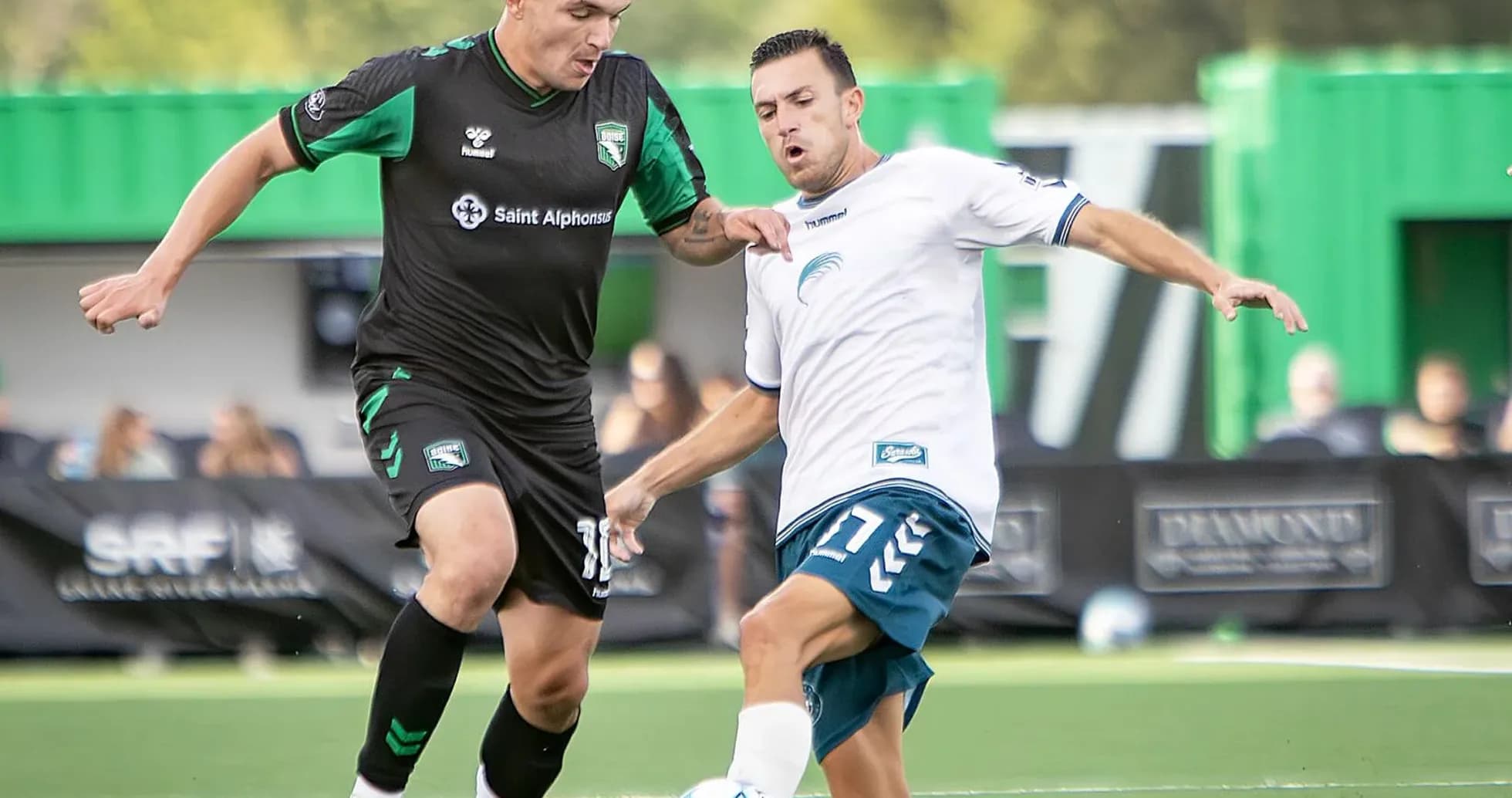
Spokane Velocity host Boise at One Spokane Stadium in a pivotal USL League One Cup group-stage clash, with both sides still firmly in contention to progress from Group 1. The standings underline the stakes: Spokane are 3rd with 3 points from 2 matches (1-0-1, goals 1-4), while Boise sit 2nd on 5 points (1-1-0, goals 9-6). Despite home advantage, the underlying metrics and official prediction model lean clearly towards the visitors.
Form-wise, over their last two Cup matches Spokane have been inconsistent. Their league form string “LW” and last-five form of 50% reflect a side that can compete but struggles for end product. They have scored just 1 goal in 2 Cup outings (0.5 per game) while conceding 4 (2.0 per game). At home they have been solid defensively with a 1-0 win and a clean sheet, but their away 4-0 defeat exposes fragility once they are pushed back and forced to chase.
Boise arrive with a perfect Cup record and significantly stronger recent indicators. Their Cup form is “WW”, and the last-five form in the prediction model is 100%, with an attack index of 40% versus Spokane’s 7%. Boise have hit 6 goals in 2 Cup matches (3.0 per game) and conceded 4 (2.0 per game), suggesting a high-event profile: potent going forward, but not watertight at the back. Standings in the Cup group show them even more explosive in this competition context: 9 goals scored and 6 conceded in just 2 games, underlining their attacking intent and willingness to play open football.
Defensively, the comparison tool rates both sides equally at 50%, but the distribution of goals tells a different story. Spokane’s 4 goals conceded all came away from home in one heavy defeat, while Boise have allowed 3 at home and 1 away, yet still found ways to win. Boise have no clean sheets but have never failed to score; Spokane have one clean sheet but have already failed to score once. This pattern points to Boise being more reliable in creating chances and turning matches their way, even when they concede.
Head-to-head data is limited but instructive. The only recorded meeting in the JSON came on 2026-04-05 in the USL League One, when Boise hosted Spokane. That match finished 1-1 in regular time, with Boise 0-1 down at half-time before equalising to share the points. It shows Spokane can compete with Boise and even take a lead, but Boise’s ability to respond and avoid defeat fits with their broader profile of resilience and attacking quality.
The official prediction model gives Boise the edge: the winner field selects Boise with the advice “Winner : Boise”. The probability split is finely balanced between away win and draw at 45% each, with just 10% allocated to a home win. The overall comparison index also favours the visitors, with Boise at 60.6% versus Spokane’s 39.4%. Form (67% vs 33%) and attacking comparison (86% vs 14%) are strongly in Boise’s favour, while defensive metrics are level, reinforcing the view that the main gap between these teams is in offensive output.
From a betting perspective, this points towards Boise on the main 1X2 market, but with clear caution that the model assigns a high draw probability. In odds terms, Boise should be priced as a slight favourite rather than a short one, with the market likely clustering them and the draw relatively close together. Given Spokane’s home resilience (1-0 home win and clean sheet in the Cup) and the previous 1-1 league draw in April, Boise draw no bet (DNB) or Boise in a “win or draw” double chance profile looks particularly aligned with the data.
Expected goals projections in the prediction block are stylised (“-1.5” home, “-3.5” away) rather than literal, but they reinforce Boise’s stronger offensive outlook. Combining the model’s advice and probabilities with form and head-to-head context, the most data-consistent angle is:
Primary betting verdict: Boise to win, with Boise draw no bet as the more risk-managed play. A draw remains a significant runner, while a Spokane home win is rated low probability by the official model.