Belgium Dominates USA 4–1: De Ketelaere Shatters American Dreams
The World Cup run the United States believed could change the sport’s place in the American landscape ended with a brutal dose of reality in Seattle.
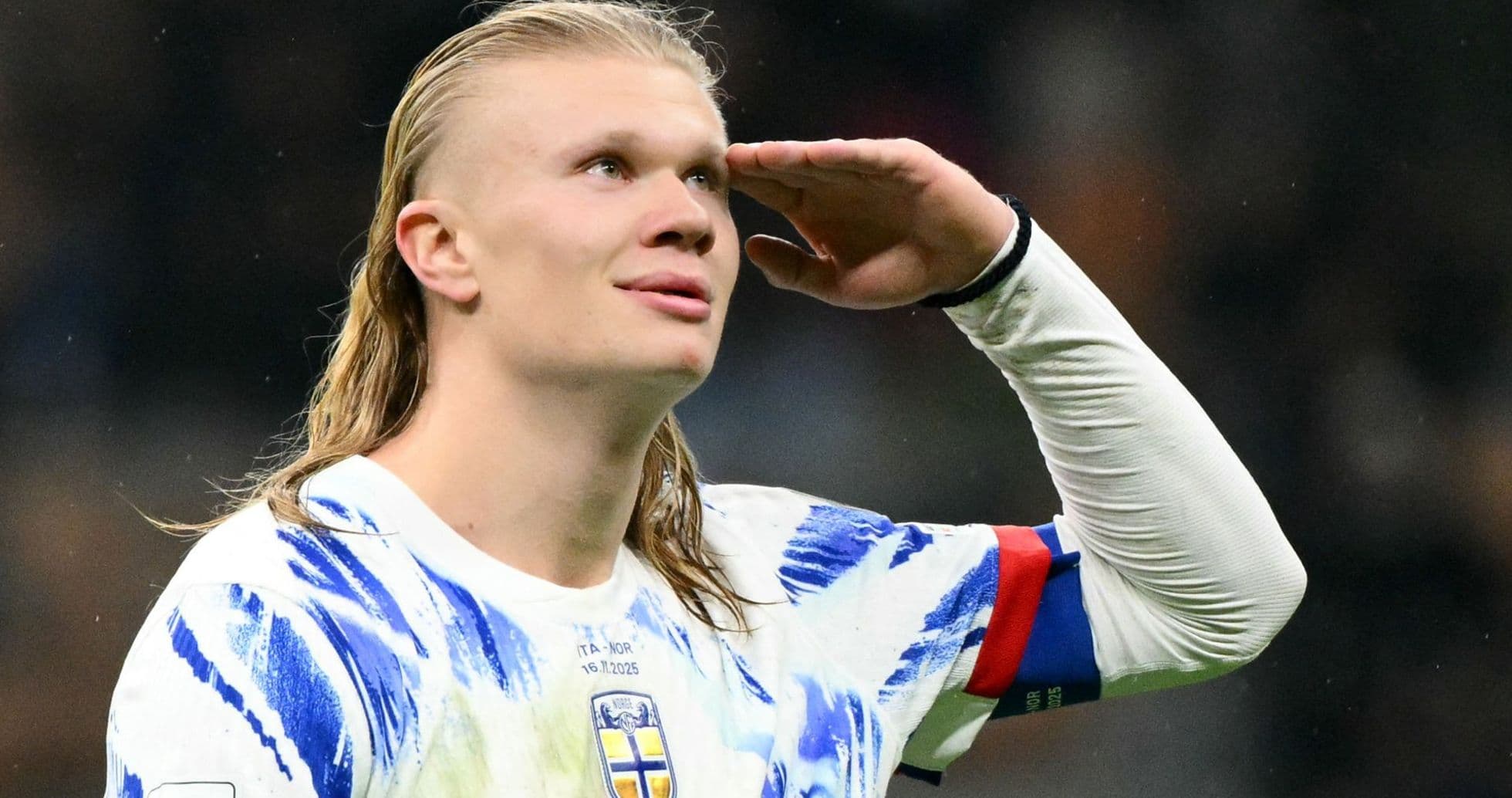
Charles De Ketelaere tore through a fragile US defence, scoring twice and assisting another in Belgium’s commanding 4-1 win at Lumen Field, a result that sent the Red Devils into the quarterfinals and sent the hosts out with a thud.
For a tournament that had promised a breakthrough, this was a harsh comedown.
Defensive frailty laid bare
The narrative coming in was clear: the US had energy, talent, and home support, but questions lingered about the back line. Belgium answered those questions inside eight minutes.
De Ketelaere struck first, punishing the Americans as they conceded the opening goal of a match for the first time in this World Cup. It set the tone. Belgium pressed high, hunted in packs, and repeatedly targeted the weak seams in a defence that never looked fully settled.
The US had been boosted before kickoff by the return of Folarin Balogun, cleared to play after FIFA controversially lifted his one-game red-card suspension. His presence offered attacking threat. It did nothing to fix what was happening behind him.
Two first-half goals came directly from American defensive errors. Then, early in the second half, goalkeeper Matt Freese compounded the misery, spilling the ball in front of his own net and handing De Ketelaere the chance to set up Hans Vanaken for Belgium’s third in the 57th minute. The punishment was ruthless.
A brief spark, then an immediate gut punch
For a few minutes, it felt like the story might bend another way.
In the 31st minute, Malik Tillman stepped up over a free kick and, with the help of a heavy deflection, dragged the US level at 1-1. It was his second free kick goal of the tournament and it detonated the stadium. The 66,925-strong crowd, a sea of red, white, and blue, roared as if willing the game to turn.
It didn’t last.
From the restart, Belgium went straight for the throat. Just 61 seconds after the equaliser, the US were behind again. The momentum the hosts had just clawed back evaporated almost instantly, and with it went a chunk of their belief.
On the touchline, Mauricio Pochettino’s frustration boiled over. The US coach lashed out at a rack in front of the bench, sending four water bottles skidding across the technical area. It was the image of a night slipping away.
Pulisic sidelined as Belgium turn the screw
If the US needed a spark in the second half, it was never going to come from their biggest star.
Christian Pulisic’s evening effectively ended in the 52nd minute. As he struck at goal, his right foot crashed into the boot of Belgium captain Youri Tielemans. He tried to carry on, but the damage was done. Seven minutes later, he was forced off, reduced to a spectator as the tournament he had helped ignite moved beyond his reach.
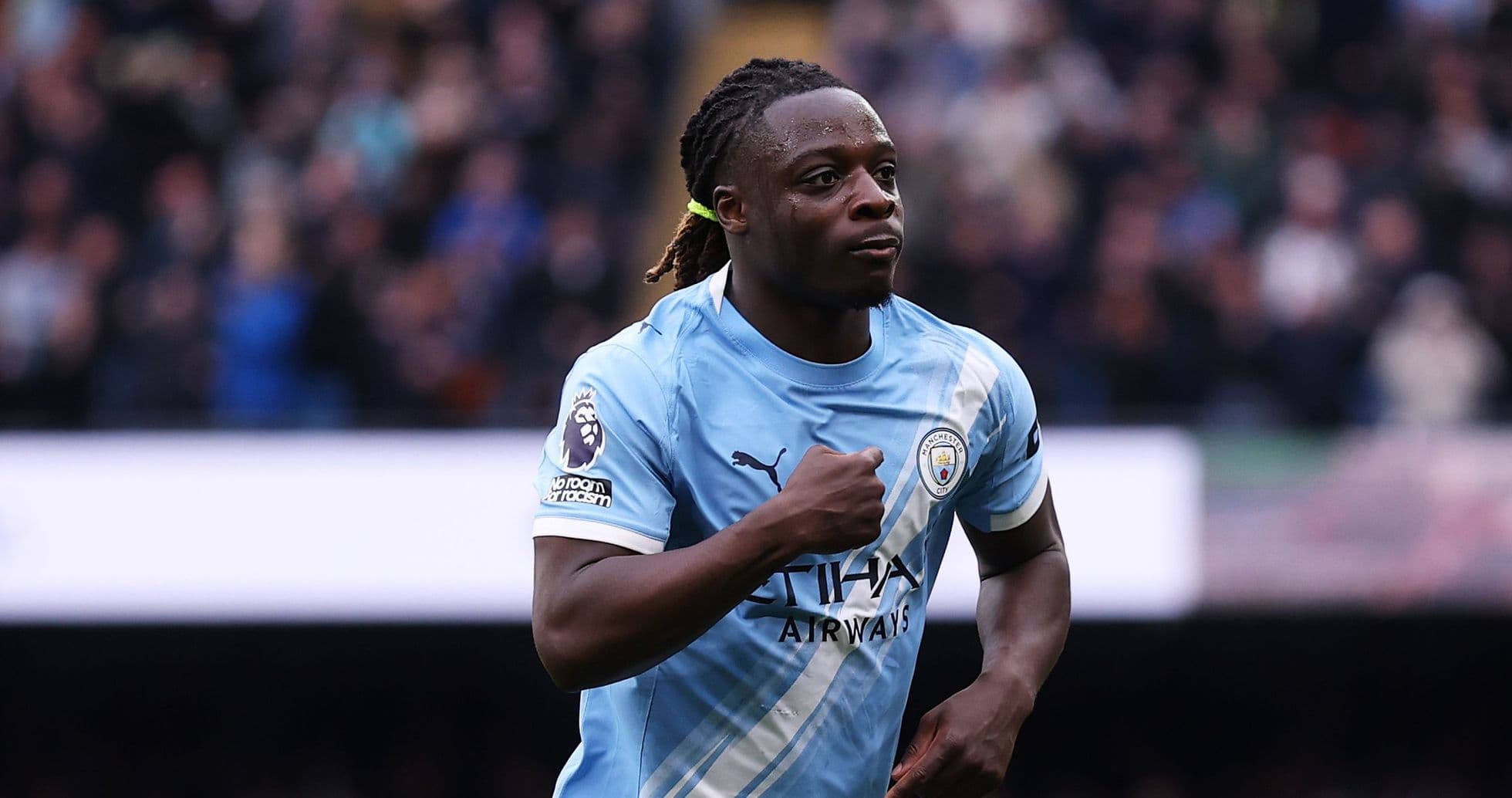
Belgium, ominously, were not even at full tilt. Jérémy Doku and Kevin De Bruyne remained on the bench, yet the Red Devils still controlled the tempo and the territory. They pressed high, forced errors, and picked their moments to break.
The pressure told again in stoppage time. Second-half substitute Romelu Lukaku added the final flourish, rolling in Belgium’s fourth in the third minute of added time to complete a statement win and underline the gulf on the night.
A generation falls short of its own ambition
For the US, this defeat cuts deeper than a single bad performance.
This was the first time the Americans had ever won three games at a World Cup, a landmark in the new 48-team format. The quarterfinals, last reached in 2002, felt within reach. Instead, the hosts bowed out in the round of 16, beaten by Belgium for the seventh straight time since that famous 1930 World Cup victory.
The numbers against Europe are stark. The US have now lost 11 of their last 12 matches against European opposition at major tournaments, the lone bright spot coming against Bosnia-Herzegovina in the round of 32. On the biggest stages, against the most seasoned football nations, the gap remains.
This was supposed to be the coming-of-age moment for a heralded core led by Pulisic, Weston McKennie and Tyler Adams. Their mission was bigger than results: drag football’s stature closer to the NFL, MLB and the NBA in the American sporting hierarchy. They moved the needle, but not as far as they had hoped.
A wider indictment for CONCACAF
The fallout stretches beyond the US.
All six CONCACAF nations are now out of the tournament. Co-hosts USA, Mexico and Canada all fell in the round of 16, leaving the quarterfinals populated entirely by teams from Europe, South America and Africa. The pattern is unmistakable: the global heavyweights, and a rising Africa, are pulling away, while CONCACAF and Asia struggle to keep pace.
Belgium, meanwhile, stride on. Their reward is a quarterfinal date with Spain in Inglewood, California, on Friday, a clash loaded with technical quality and tactical intrigue.
The US leave their own World Cup with progress made, but illusions shattered. The stadiums were full, the shirts sold, the noise real. Yet when the knockout tension rose and the margins narrowed, an old question resurfaced with fresh urgency: can this team, and this region, truly live with the game’s elite when it matters most?