Belgium vs Senegal: Round of 32 Clash Overview
The Round of 32 tie at Lumen Field unfolded like a test of identity as much as endurance. Belgium, top of Group G heading into this game with 5 points and a goal difference of 4 from 3 matches, arrived as a controlled, possession-heavy side that had yet to lose this World Cup. Senegal, third in Group I with 3 points and a goal difference of 2 after their own 3 group matches, came as volatility incarnate: 8 goals for and 6 against, a team that either overwhelms or gets dragged into chaos.
Over 120 minutes, that contrast was etched into the pitch. The scoreboard told the story of a 3–2 Belgian victory after extra time, but the deeper narrative was about how each squad’s structural DNA bent under knockout pressure.
Team Structures
Belgium lined up in a familiar 4-2-3-1, the same shape they had used in all 4 matches so far. T. Courtois anchored a back four of T. Castagne, B. Mechele, A. Theate and M. De Cuyper, a line chosen more for control than raw aggression. Ahead of them, Y. Tielemans and H. Vanaken formed the double pivot, tasked with both shielding and progressing. The attacking band of three — L. Trossard, K. De Bruyne and J. Doku — floated behind lone forward C. De Ketelaere.
It was a structure that reflected Belgium’s tournament profile: overall, they had scored 9 goals and conceded 4 across 4 matches, with 4 at home and 5 on their travels. The averages underline their balance: 2.3 goals scored per match in total, 1.3 at home and a striking 5.0 away, against 1.0 conceded both at home and away. This was a side used to controlling games, rarely losing (0 defeats in total), and rarely being outscored.
Senegal’s 4-3-3, by contrast, was built to stretch the field and live in transition. M. Diaw started in goal behind a back line of K. Diatta, P. Ciss, M. Niakhate and I. Jakobs. The midfield trio of H. Diarra, I. Gueye and P. Gueye was there to break rhythm and launch forward quickly. Up front, the trident of I. Ndiaye, I. Sarr and S. Mane was pure menace.
Senegal’s numbers before this tie told you exactly what to expect: in total this campaign they had played 4 fixtures, winning 1 and losing 3, with no draws. They had scored 10 goals overall — 5 at home and 5 on their travels — at averages of 2.5 in total, 5.0 at home and 1.7 away. But they had also conceded 9 in total, 0 at home and 9 away, for a defensive average of 2.3 in total and 3.0 on their travels. It was a team that could blow opponents away, especially at home, but that left gaps once they stepped out of their comfort zone.
Key Players and Tactical Battles
Those gaps were always going to be tested by Belgium’s methodical probing. De Bruyne, operating as the central creator in the line of three, was the brain of every Belgian wave. With Tielemans and Vanaken recycling possession behind him, Belgium could afford to keep Doku and Trossard high and wide, pinning Senegal’s full-backs and forcing the back four into constant lateral shifts.
Yet Senegal had the most devastating individual in the tie: I. Sarr, one of the World Cup’s standout performers so far. Heading into this game he had 4 goals and 1 assist in 4 appearances, with a rating of 7.65, 13 shots in total and 6 on target. He had also drawn 9 fouls while committing only 1, a winger who not only finishes but relentlessly destabilises defensive structures. Belgium’s full-backs knew that every high advance would be punished if possession was lost cheaply.
The second Senegalese threat was more subtle but just as dangerous: I. Ndiaye. Coming into the Round of 32 as one of the competition’s leading creators with 2 assists and 1 goal in just 123 minutes, he represented the connective tissue between midfield and attack. His 59 completed passes at 89% accuracy, plus 4 key passes and 5 successful dribbles from 7 attempts, made him the ideal foil for Sarr and Mane. Whenever Belgium’s double pivot got dragged to one side, Ndiaye could slip into the half-spaces and turn.
Injury and Disciplinary Context
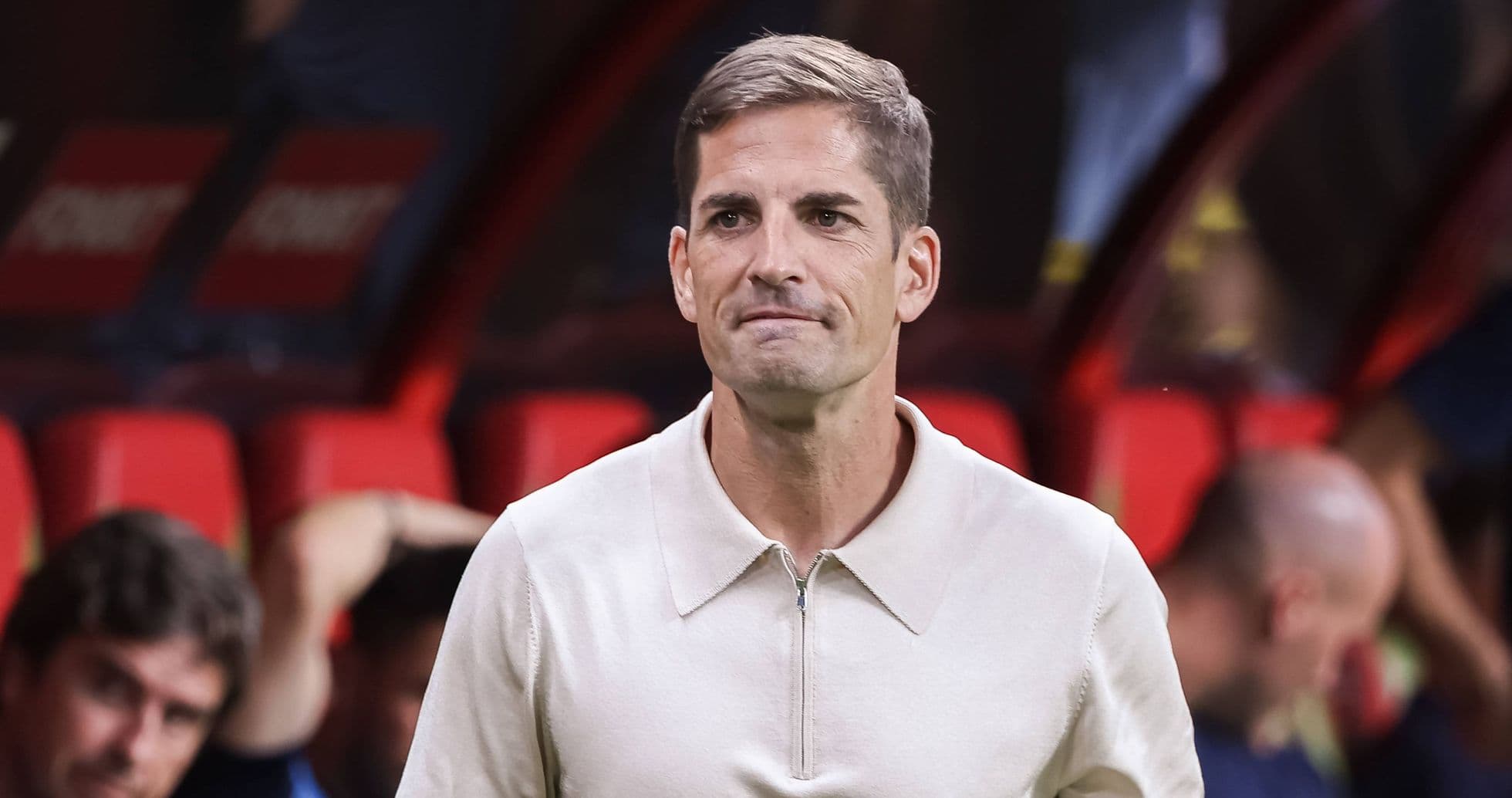
Injury and disciplinary context added further texture. Belgium were without Z. Debast, missing through a leg injury, which shaped Rudi Garcia’s decision to pair Mechele and Theate at centre-back and keep N. Ngoy in reserve. Ngoy himself, notable in this World Cup for a red card and robust defending — 4 tackles, 1 blocked shot and 3 interceptions across his appearances — was a reminder of Belgium’s occasional flirtation with the disciplinary edge. Their card profile this tournament had been concentrated early and just after the hour mark: 50.00% of their yellow cards in the opening 15 minutes, the other 50.00% between 61-75, and their only red card also in the 61-75 window. High-intensity phases, especially after half-time adjustments, were clearly emotional flashpoints.
Senegal, by contrast, spread their yellows more evenly through the middle of games: 33.33% of their cautions between 16-30 minutes, 33.33% from 61-75, and 33.33% from 76-90. It painted a picture of a side that ramps up aggression as contests evolve, particularly as they chase or protect results late on.
Tactical Duel
In tactical terms, the “Hunter vs Shield” duel was defined by Sarr against Belgium’s defensive unit. Belgium’s overall defensive record — 4 goals conceded in 4 matches, 1.0 per match in total — suggested resilience, but not impermeability. Theate’s left-footed aggression and Mechele’s more conservative positioning had to be perfectly synchronised to avoid being split by diagonal runs from Sarr and Mane. Castagne and De Cuyper, meanwhile, were caught between joining the attack and staying compact to prevent 1v1s in wide channels.
The “Engine Room” battle revolved around Tielemans and Vanaken against I. Gueye and P. Gueye. Belgium’s double pivot sought to dictate tempo and keep the game in front of them; Senegal’s midfield trio aimed to break that rhythm, foul intelligently when necessary, and trigger counters through Ndiaye. If Belgium’s pivots could pin Senegal back, De Bruyne would find pockets to feed Doku and Trossard. If Senegal could turn those central duels into a scrap, the game would tilt towards transitions that favoured their front three.
Statistical Prognosis
From a statistical prognosis standpoint, Belgium’s overall stability — unbeaten in 4, 2 wins and 2 draws, with 1 clean sheet and only 1 match where they failed to score — combined with their 100.00% penalty record (1 from 1, with no misses) underlined a side that manages key moments well. Senegal’s profile was more extreme: 1 clean sheet in total, none on their travels, no failures to score at all, but 3 defeats in 4. They live in high-variance matches where both teams find the net.
Over 120 minutes in Seattle, that variance and that control collided. Belgium’s structure, their familiarity with the 4-2-3-1 and their capacity to sustain pressure eventually outlasted Senegal’s volatility and brilliance. The Africans’ attacking stars — Sarr’s cutting edge and Ndiaye’s craft — ensured that the tie remained alive deep into the night, but in a contest that demanded not just moments but management, Belgium’s balance between hunter and shield proved just enough to survive the Round of 32 and step into the 1/8 final.