Barcelona's Captaincy Dilemma: Raphinha and La Masia Take Charge
The captain’s armband at Barcelona, once a symbol of seamless succession, has suddenly become the most contested strip of fabric at the club.
Marc-André ter Stegen’s loan move to Ajax ripped up the established hierarchy. Ronald Araujo, promoted in his wake, looked set to become the new standard-bearer. Now his own potential switch to Liverpool has blown the door wide open again and forced Hansi Flick into a rapid rethink of who leads his dressing room.
Until the end of last season, the order was clear: Ter Stegen, Araujo, Frenkie de Jong, Raphinha, Pedri. A spine, a structure, a plan.
That plan no longer exists.
De Jong the obvious choice – with a major asterisk
On paper, Frenkie de Jong is the natural successor. Senior figure, big personality, and one of the few remaining pillars from the previous cycle. In a calmer summer, he would already be walking out as first captain.
But nothing about this summer has been calm.
De Jong’s injury has complicated everything. Inside the club, his recovery has sparked debate and frustration, with the hierarchy reportedly unhappy at the perception that the Dutchman leaned towards prioritising the World Cup over club commitments. For a captain, every decision is magnified. Every delay, every doubt, becomes a talking point.
So Barcelona must weigh up a delicate question: can they place the armband on a player whose fitness and long‑term future are under constant scrutiny?
Raphinha rises into the leadership vacuum
This is where Raphinha’s name carries real weight.
According to Mundo Deportivo, the Brazilian has quietly become one of the most influential figures in the squad. Not through slogans or grand gestures, but through performances, attitude, and a visible connection with his teammates.
He has grown into a reference point in the dressing room. When the team needs edge, he brings it. When it needs energy, he supplies it. That presence, combined with his on‑field importance, now makes him a serious, perhaps even central, candidate to wear the armband on a regular basis.
With De Jong’s situation uncertain, Raphinha’s stock has never been higher.
Pedri, La Masia and the new core
Barcelona’s leadership group is expected to feature De Jong, Raphinha and Pedri in three of the main roles. That much feels almost inevitable. Pedri, though still young, already carries the calm authority of a player built for the club’s long game.
But five captains are needed. Two places remain.
Inside the club, the debate turns quickly towards identity. Who understands what the shirt means? Who can carry the weight on and off the pitch, in a squad stacked with youth?
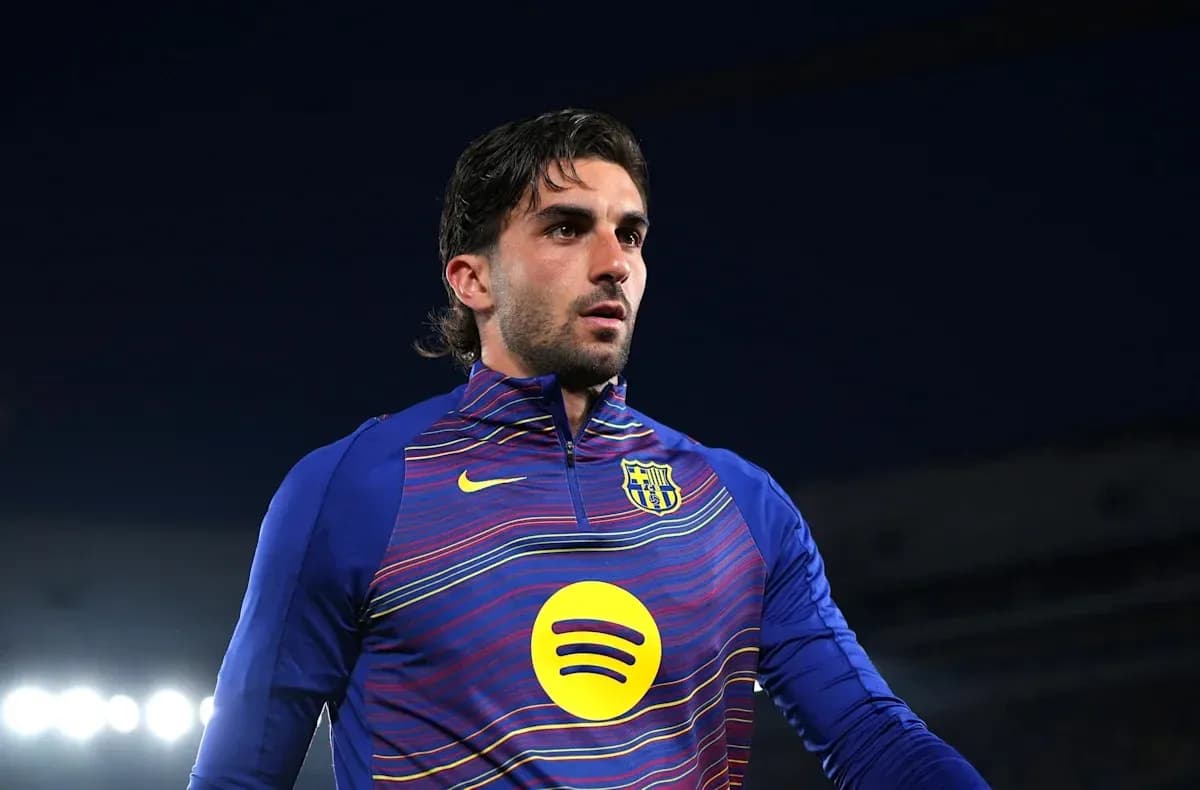
Eric Garcia is emerging as one of the strongest candidates. The former Manchester City defender has seen the elite level up close and, crucially, comes from La Masia. He knows the demands, the scrutiny, the expectation that every touch must reflect the club’s values. That background offers him a natural legitimacy in any leadership group.
On the other side of the age spectrum, there is Gavi.
Only 22, but already hardened by years in the first team, he embodies traits that Barcelona have always cherished: intensity, aggression, relentlessness. He may not fit the traditional image of a serene captain, but he represents something just as valuable – the refusal to back down, the willingness to drag a team into the fight when the football isn’t flowing.
In a dressing room undergoing transition, that edge matters.
Flick’s first big internal decision
The clock is ticking. The competitive season is almost here, and the club hierarchy knows it cannot drift into it with a blurred chain of command.
Flick needs clear voices to connect the staff with a young, evolving squad. Captains who can enforce standards, protect the dressing room, and absorb pressure when results wobble. The chosen five will be asked to set the tone every day – in training, in team talks, in the way they respond to adversity.
De Jong remains, on paper, the senior figure from the previous era. But his fitness and future cast a long shadow. That reality pushes more responsibility towards Raphinha and the La Masia contingent, players who must now do more than just perform.
They will be asked to define what this new Barcelona looks like – and how loudly it speaks when the armband is finally settled.