Barcelona’s Strategic Move for Rodri: The Silent Coup Explained
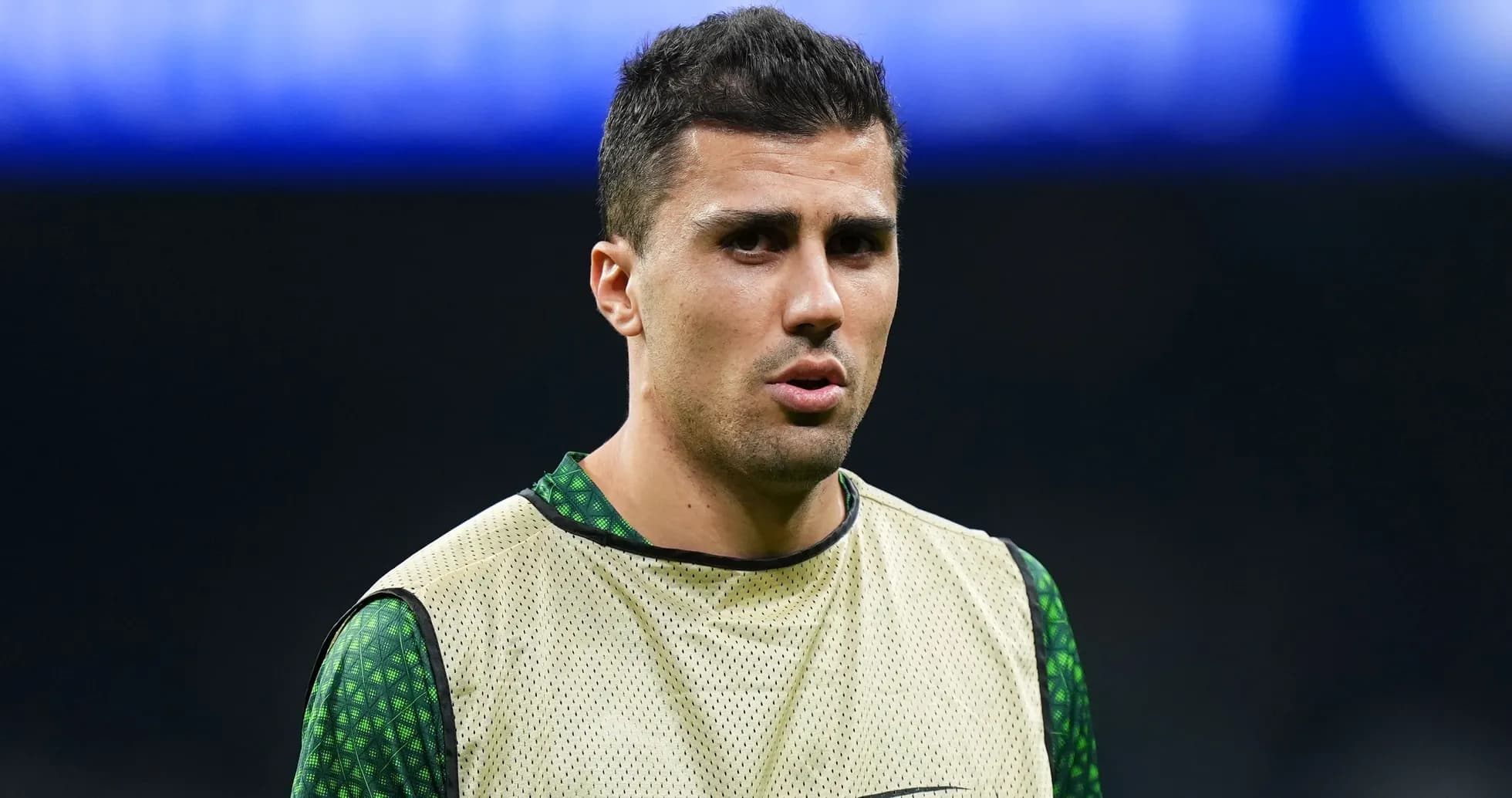
The battle for Rodri was supposed to be drifting inexorably towards the Bernabéu. Quietly, almost imperceptibly, Barcelona dragged it back.
While the headlines obsessed over other targets and other sagas, the future of one of the world’s premier midfielders was being decided in hotel lounges and private calls, far from the cameras. According to Catalan outlet Sport, it was a cloak‑and‑dagger operation that flipped the script on a deal many inside the game believed was leaning towards Real Madrid.
The day everything changed
The hinge point came on Thursday, 30 July.
Barcelona’s sporting director Deco was meant to be on a straightforward route: end a short break in Croatia, fly directly to England, join Hansi Flick and the squad at their pre-season camp. Routine work, visible, predictable.
He didn’t take that flight.
Instead, Deco diverted back to Barcelona and stayed more than a day before eventually joining the team. Inside the club, the decision raised questions. Flick and his staff were already on the ground in England, drawing up plans and line-ups for the friendlies. Why the detour?
Because this wasn’t a detour. It was the mission.
That unexpected stopover was devoted to what the board had labelled a “strategic” transfer file. Initial contacts with Rodri’s camp were already under way. This was the moment to turn polite conversations into a concrete push, to test whether the Manchester City midfielder could be prised away from a path that seemed to be leading him towards Real Madrid.
A wedding, a hotel and a turning tide
Timing helped. Rodri was in Catalonia at the end of July, attending a wedding on the Costa Brava. A personal celebration became a professional opening.
Barcelona moved fast.
Sport report that the club demanded absolute discretion from everyone involved. No leaks. No whispers. Any hint of a story breaking early could harden Real Madrid’s stance, spook Manchester City, or simply push Rodri to step back from the noise.
In that carefully controlled silence, Deco and Rodri met at a luxury hotel. The conversation lasted around two and a half hours. No cameras, no entourage, just a sporting director with a project to sell and a midfielder with a career-defining choice to make.
Deco outlined the plan: the sporting project, the role carved out for Rodri, the way Flick intended to build a midfield around his intelligence and authority. This wasn’t a pitch for a star among stars. It was an offer of centrality, of leadership, of being the reference point for years to come.
It landed.
Up to that point, Rodri had listened attentively to Real Madrid’s offer. He had held talks. He had weighed the prospect of joining the European champions. But he had not given a final yes. Deco’s presentation shifted the balance. The player’s stance, Sport say, changed clearly after that meeting.
Flick on the line
Deco opened the door; Hansi Flick stepped through it.
From there, the new Barcelona coach took a direct hand in the courtship. He made several calls to Rodri, going beyond generic compliments to explain his tactical blueprint in detail: how he saw Rodri dictating tempo, how he envisaged him as a leader in the dressing room, how crucial he would be to a rebuilt Barça engine room.
Inside the club, there was a clear conviction: in a straight fight with Real Madrid, the coach’s voice had to be heard. It wasn’t enough to send intermediaries or filtered messages. Rodri needed to hear the conviction, and the responsibility, from the man who would be picking the team.
The message was simple: you’re not just another signing. You’re the cornerstone.
The hidden fixer
While Deco and Flick took the spotlight roles in this quiet drama, another figure worked in the shadows.
Sport highlight the influence of Dani Codina, Barcelona’s head of player services. His name never surfaced in the swirl of rumours, yet his fingerprints were all over the operation.
Codina had a previous relationship with Rodri from their time together at Manchester City, where they had grown close. That personal bond became a bridge. It helped soften the edges of negotiations, turning them from a hard business transaction into a move Rodri could feel comfortable with on a human level.
He was instrumental in arranging the secret Deco–Rodri meeting. More than that, he worked to deepen the player’s sense of connection to the Catalan project, reinforcing the idea that Barcelona was not just a sporting decision but an environment where he would be understood and trusted.
While others argued tactics and titles, Codina built trust.
The decisive call
After that hotel summit and the flurry of calls that followed, Barcelona did something unusual in the modern transfer circus: they went quiet.
No strategic leaks. No briefings to crank up pressure. Contacts with the player’s representatives continued over the following days in near-total media silence. Each conversation nudged the deal closer, each reassurance helped Rodri picture himself in blaugrana rather than white.
Then came last Thursday.
Barcelona received the call they had been waiting for from people close to the player. The message: Rodri was convinced by the project. Talks were now at an advanced stage.
The long, hidden campaign had paid off. The club that had trailed in the race only days earlier had wrested back control. Real Madrid, once in the driving seat, were suddenly on the outside looking in.
From the boardroom’s perspective, only the final touches remain. The structure is in place, the player is aligned, and the negotiations are edging towards completion.
For Barcelona, this is more than a marquee signing. They see it as a strategic cornerstone, a way to rebuild a midfield around a world-class pivot with experience, personality and leadership. For Real Madrid, it would be a stinging blow: losing out on one of the game’s most complete midfielders, not to the Premier League or another league, but to the old enemy.
If Barcelona get this over the line, it won’t just reshape their midfield. It will redraw the balance of power in Spain’s transfer market.