Australia vs Egypt: Tactical Battle in Round of 32
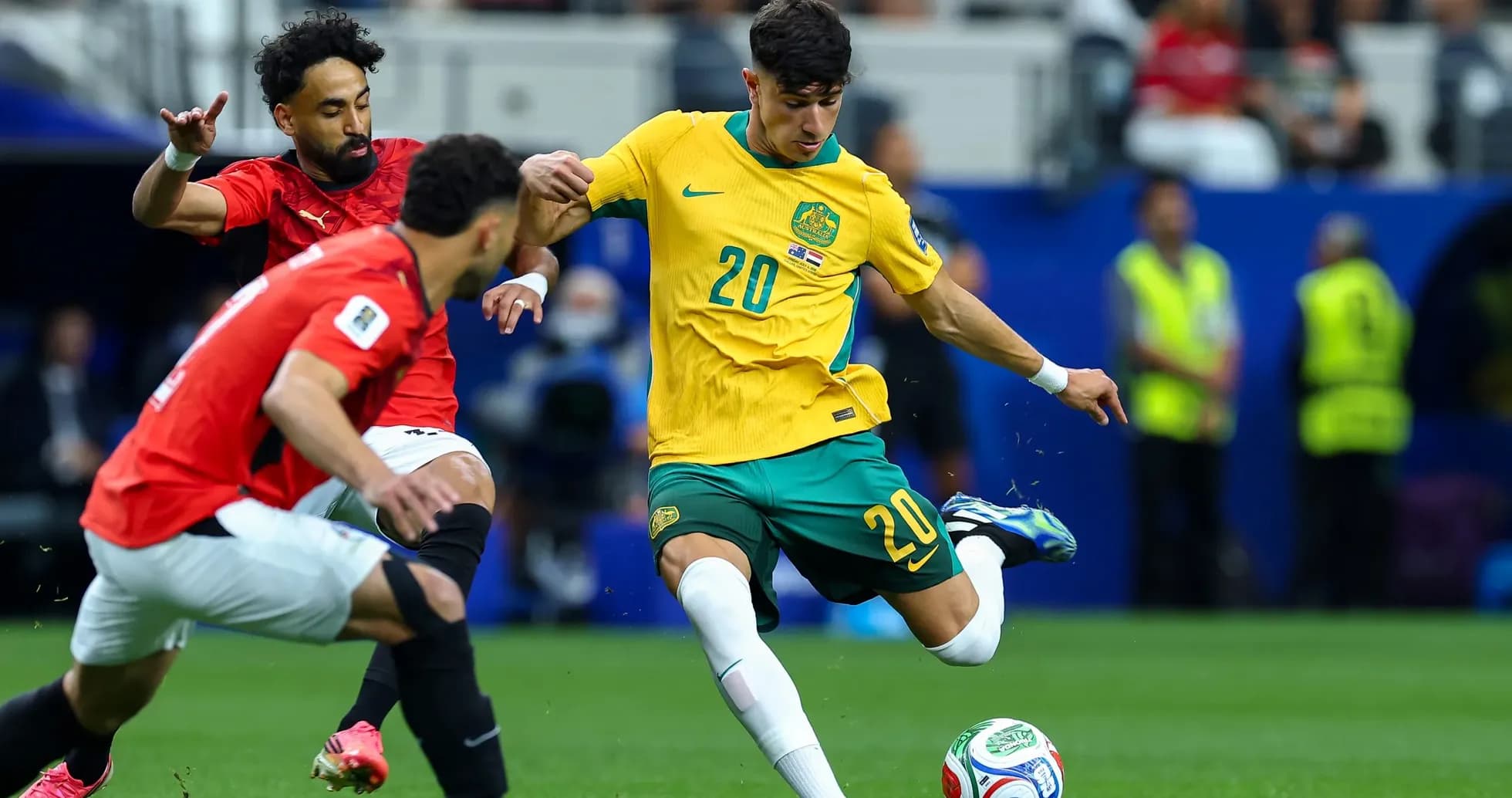
Under the closed roof of AT&T Stadium in Dallas, Australia and Egypt dragged each other through 120 minutes of attrition before the Round of 32 tie was finally split from the spot: 1–1 after extra time, 4–2 to Egypt on penalties. It was a contest that distilled both teams’ tournament identities so far. Australia, rugged and structurally adaptable, again leaned on defensive discipline and set patterns. Egypt, unbeaten heading into this game and more expansive in open play, trusted the individual quality and decision‑making of their front line.
Coming into the knockout round, Australia’s statistical profile already suggested a side comfortable in tight margins. Across the campaign they had played 4 matches in total, winning 1, drawing 2 and losing 1. Their goals record was perfectly balanced: 3 scored and 3 conceded in total. At home they had scored 3 and conceded 1; on their travels they had yet to score and had let in 2, leaving their overall goal difference at 0 (3 minus 3). That symmetry was reflected in their average goals: 0.8 scored and 0.8 conceded in total, with home games yielding 1.5 scored and 0.5 conceded on average, and away fixtures returning 0.0 for and 1.0 against.
Egypt arrived with a more progressive attacking imprint. In total this campaign they had played 4 matches, winning 1 and drawing 3, and remained unbeaten. They had scored 6 and conceded 4 overall, a goal difference of +2 (6 minus 4). On their travels they had been particularly dangerous, with 5 goals scored away and an average of 1.7 away goals per game, while conceding 3 away at an average of 1.0. Their total scoring rate of 1.5 per match, combined with 1.0 conceded, painted the picture of a side willing to trade chances rather than lock games down.
Tactical Lineups
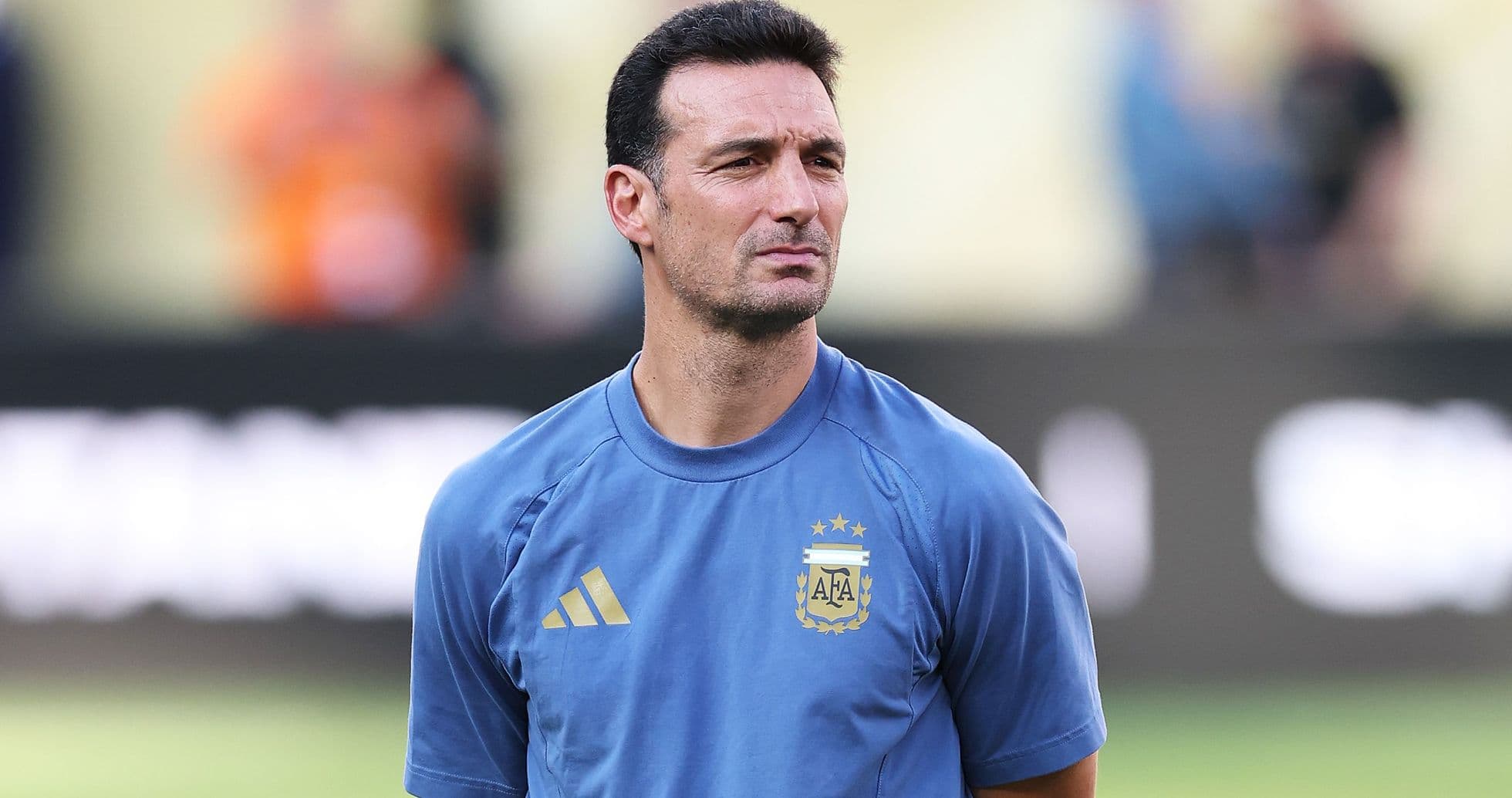
Against that backdrop, the lineups told a clear tactical story. Tony Popovic rolled out a bold 3‑4‑2‑1 for Australia, a shape he had already used twice this tournament. P. Beach started in goal behind a back three of A. Circati, H. Souttar and L. Herrington. The wing‑backs, J. Bos on the right and A. Behich on the left, were tasked with stretching Egypt’s four‑man midfield. Inside them, J. Irvine and A. O’Neill formed a double pivot, screening transitions and providing the first pass out. Ahead, a fluid trio of C. Volpato and C. Metcalfe supporting N. Irankunda up top offered mobility rather than a classic target man.
On the opposite bench, Hossam Hassan shifted Egypt into a 4‑4‑2, a departure from the 4‑2‑3‑1 that had been used in 3 of their 4 matches. O. Shobeir kept goal behind a back four of M. Hany, Y. Ibrahim, R. Rabia and K. Hafez. The midfield band of four – E. Ashour, H. Fathy, M. Attia and O. Marmoush – was designed to both compress central spaces and spring quickly into wide channels. Up front, M. Salah and M. Ziko formed a classic “Hunter vs Shield” tandem: Salah, one of the tournament’s leading creative forces with 1 goal and 2 assists in 4 appearances and 16 key passes, drifting into half‑spaces; Ziko providing depth and vertical runs to pin Australia’s back three.
Absences and Tactical Implications
The tactical voids on both sides were significant and subtly shaped the narrative. Australia were without M. Leckie and J. Italiano, removing an experienced wide outlet and another attacking option from Popovic’s bench. That absence reinforced the reliance on N. Irankunda’s pace and the creative instincts of Volpato between the lines. For Egypt, the list was longer and more structurally damaging. Hossam Abdelmaguid was out through suspension, while Ahmed Abou El Fotouh and Mohamed Abdelmonem were missing with injuries, and Mohanad Lasheen – one of their most combative midfielders and a player already on 2 yellow cards this tournament – was unavailable due to a yellow‑card suspension. With Lasheen sidelined, Egypt lost a midfielder who had made 13 tackles, blocked 4 shots and intercepted 4 passes, a natural “enforcer” who would have been a perfect counterweight to Irvine and O’Neill in the engine room.
Discipline and Card Timing
Discipline and card timing had been a quiet subplot even before a ball was kicked. Australia’s yellow cards this campaign had clustered late, with 40.00% of their bookings arriving between 76 and 90 minutes. That tendency to pick up cautions as games stretched suggested physical fatigue or tactical fouling to protect narrow leads. Egypt’s distribution was more spread but still revealing: 25.00% of their yellows came between 16 and 30 minutes, another 25.00% between 31 and 45, then a spike again in extra time with 25.00% between 91 and 105 and 12.50% between 106 and 120. In a match that went the full 120, that pattern of late‑period cards underlined how emotionally and physically stretched Egypt became, even as they held their nerve for penalties.
Key Player Analysis
In the “Hunter vs Shield” duel, Salah’s influence was always likely to be decisive. His World Cup so far had been built on volume and efficiency: 6 shots, 4 on target, 113 passes with 77% accuracy, and 13 dribbles attempted with 6 successful. Against an Australian defence that had conceded just 1.0 goal on average away and kept 2 clean sheets in total, his ability to receive between the lines and combine with Marmoush and Ziko was the one element that could distort Popovic’s otherwise well‑drilled block. Yasser Ibrahim, one of the tournament’s leading yellow‑card collectors with 2 bookings and 3 successful blocks, embodied Egypt’s own “Shield” at the back, tasked with stepping into Irankunda’s path and winning duels – he had contested 52 duels and won 22 across the competition.
In midfield, the engine room battle turned on whether Australia’s double pivot could outmanoeuvre a Lasheen‑less Egypt. Irvine’s work rate and O’Neill’s positional discipline were set against a trio of Fathy, Attia and Ashour, with Marmoush tucking inside. Without Lasheen’s 13 tackles and 21 duels won, Egypt had to redistribute defensive responsibilities, which inevitably opened seams for Volpato to exploit between the Egyptian lines.
Conclusion
From a statistical prognosis standpoint, the game always looked likely to be tight on the scoreboard but rich in tactical detail. Australia’s total averages of 0.8 goals scored and 0.8 conceded, combined with Egypt’s 1.5 scored and 1.0 conceded in total, pointed towards a match where one moment of quality or one defensive lapse could tip the balance. Neither side had relied on penalties this tournament – both had taken 0 and missed 0 in total – so the shootout was a psychological leap into the unknown rather than a rehearsed routine.
Following this result, the numbers and the narrative align. Australia exit with their identity intact: flexible between a back five and a back three, structurally honest, and willing to suffer without the ball. Egypt march on carrying an unbeaten record, a positive goal difference of +2 overall, and the knowledge that their attacking spearhead, led by Salah’s creativity and supported by a resilient if occasionally rash back line, can survive 120 minutes of strain and still deliver under the harshest spotlight of all.