Ashley Young's Journey: From Football Glory to Hip Replacement
Ashley Young spent 23 years outrunning time. In the end, it caught up with him in the most brutal way possible.
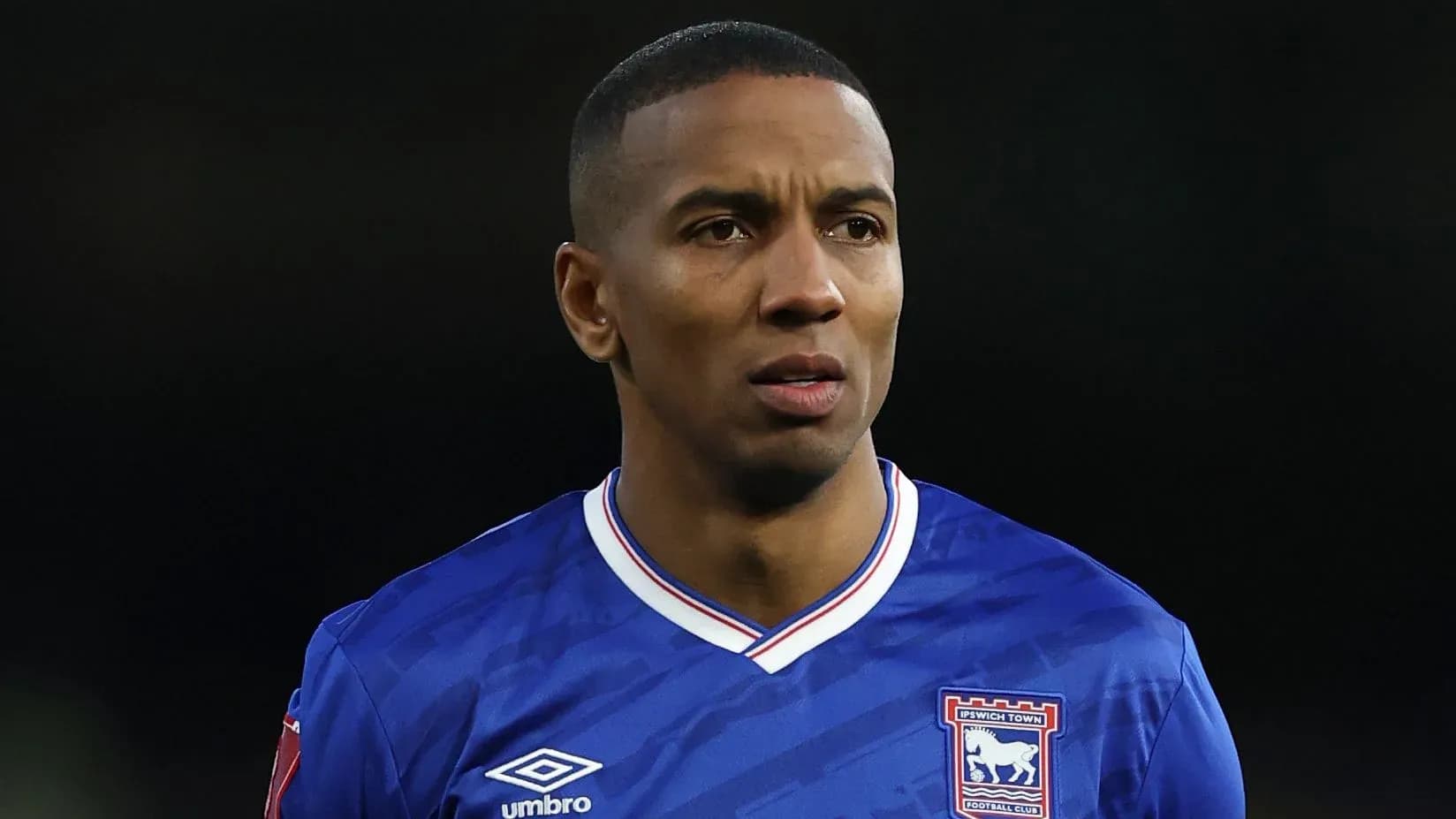
The former Manchester United and England stalwart has revealed he now needs a hip replacement, only weeks after officially hanging up his boots. At 41, and fresh from helping Ipswich Town back into the Premier League, Young has laid bare the physical cost of a career that stretched across more than two decades at the top.
He spoke on the High Performance Podcast about the moment reality finally bit. It started, as these stories often do, with an impact that didn’t quite feel right.
“I went down on my hip in November and had an injection,” he said. For a player who built his reputation on durability and drive, the very idea of injections had long been his red line. “I have always said to myself: ‘If my body is saying you need injections, there is a problem, you need to think about retiring.’”
The medical verdict was stark. “Basically I need a hip replacement,” Young admitted. “In November I was told I would need it in about 10 years’ time.” That timeline evaporated within weeks.
At Ipswich, where he made 15 appearances in all competitions last season as Kieran McKenna’s side surged to second in the Championship, Young tried to squeeze every last drop out of a failing joint. The plan was simple: one more injection in January, one last push to the finish line.
“I got to January and was due to have another injection which would have got me through to the end of the season,” he recalled. Even then, the instinct was to play on, to contribute, to lead. “I was saying to the specialist, ‘I know it is painful, but I want to make sure I do everything I can possibly do to help the team.’”
Then the hip gave way again.
About a week before the scheduled injection, during what should have been a routine training session, Young went down once more. This time, he knew.
“About a week before I am about to have the injection, I go down on it in training and I am like ‘this is worse, I know it is a lot worse’.”
The pain didn’t just interrupt his season. It almost ended his ability to function as a footballer at all. From January, Young entered a three-month spell where training became impossible.
“From January to the end of the season, I literally had two or three months where I couldn't train it was that painful,” he said. For a player whose game had always been built on intensity and repetition, the verdict from the specialist felt like a sentence.
But he refused to let a medical report write his final chapter.
“I saw the specialist again and said ‘I'm not going out like this’,” Young revealed. He pushed back in the only way he knew how: by demanding a chance to fight his way back onto the pitch. “I asked him ‘are you telling me I can't play football again, you can say it if you want, trust me if I get an opportunity to be back on the pitch, I'll be back on the pitch’.”
That opportunity never quite arrived in the way he imagined. Young did not step onto the pitch in Ipswich’s final match, the day the club sealed their return to the Premier League. But he refused to drift into the background.
The defender threw himself into the daily grind again, training through pain that specialists insisted should have ruled him out entirely. “The last two months of the season I was training every day and he was like ‘it is not possible, you shouldn't be training’,” Young said.
He trained anyway. Not for appearances. For standards. For the dressing room. For the sense that, even if his hip was crumbling, his influence didn’t have to.
“It would have been incredible to come onto the pitch for the last game of the season,” he admitted. That moment never came, but the promotion did. Ipswich went up on the final day, and Young watched knowing he had emptied the tank for one last cause.
“For me to train like I did that week and for us to be promoted on the last day of the season, it was fitting.”
No farewell cameo. No choreographed send-off. Just a veteran pro, body broken, will unshaken, helping drag a club back to the top flight while quietly facing the reality that his next major appointment will be for a hip replacement, not a pre-season medical.