Argentina’s Holiday Debate After Silver Finish
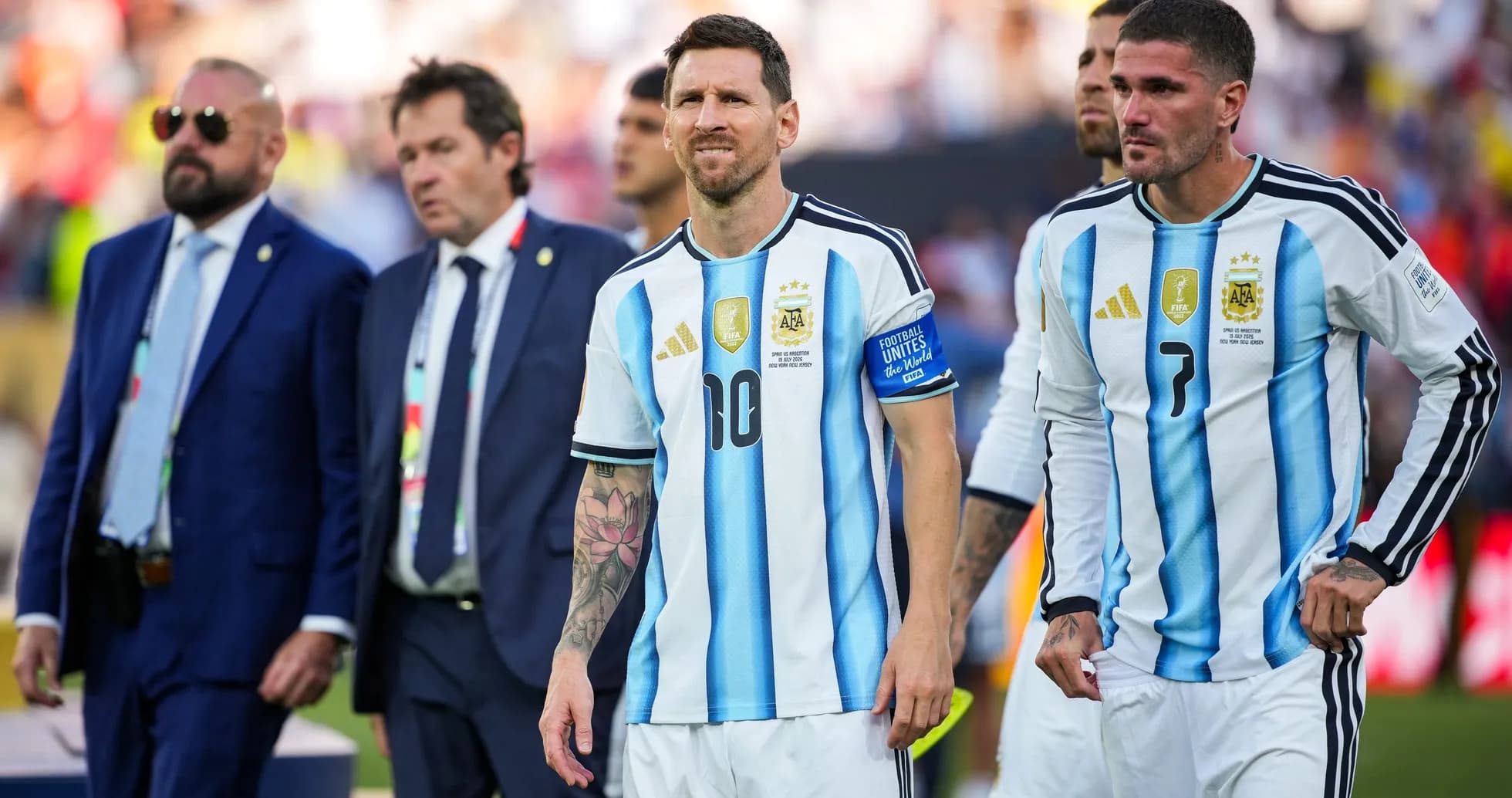
Argentina flew home without the trophy, beaten 1-0 by Spain in extra time in New York, and without so much as a shot on target to cling to. Yet back in Buenos Aires, the debate is not about Ferran Torres’ winner or a misfiring attack. It is about a holiday.
In a move that stunned even a football‑obsessed country, the government has handed Lionel Scaloni’s squad the power to choose a national holiday to mark their campaign, despite finishing as runners-up and surrendering their world crown.
The gesture, framed as a tribute to effort rather than outcome, has split the nation.
A President’s Gamble
President Javier Milei did not even attend the final in person, sidestepping the showpiece because of his own superstitions. Instead, he watched from afar and reached for his phone.
On X, he told the country: “Given the concern about the celebrations for the achievement reached by the Argentine National Team, I inform the population that, depending on what the Players and the Technical Staff decide regarding the day to celebrate, it will be declared a national holiday.”
One post. One promise. And suddenly, a second-place finish carried the weight of state recognition.
The reaction was instant and ferocious. Radio shows lit up. Social feeds filled. For many Argentines, celebrating a team that did not defend its title — and did not seriously threaten Spain’s goal — felt like a step too far.
Some wondered if it was a typo. Others questioned whether the state should sanctify a campaign that ended with a “toothless display” in New York.
Pride, Backlash and Messi’s Shadow
The Albiceleste’s run had still drawn admiration at home and abroad. This was a side that, in the eyes of many, fought to the end and carried the pressure of reigning world champions on its back. Yet the manner of the defeat and the absence of attacking threat in the final left a sour aftertaste.
Supporters who opposed the holiday argued that the players themselves would rather slip quietly back to club duty than climb onto an open-top bus for a runners-up parade. Let them rest. Let them move on. That was the sentiment in many corners.
Milei doubled down. In another post, he wrapped his arms around the squad and its captain.
“Thank you so much, players. [We fought] until the end with our boots on. Argentina always at the top.”
It was a line aimed straight at Lionel Messi and the veterans who have carried the shirt through triumph and heartbreak. The message was clear: the government sees value in the journey, not just the trophy.
The End of an Era Looms
Behind the political theatre, a football reality looms large. This campaign is likely to be remembered as the last World Cup for Messi, his sixth, at 39. The Inter Miami forward has not formally announced his international retirement, but the expectation is that this was his final act on the sport’s grandest stage.
Scaloni and his staff now face a harsh transition. The veteran core that delivered glory is edging toward the exit. New blood must be trusted, tested, and hardened quickly if Argentina are to avoid a long dip after a golden era.
The holiday debate only underlines the crossroads. Is this the moment to look back and celebrate, or the moment to look ahead and rebuild?
For now, the players hold an unusual kind of power: the right to choose a day that could stop a nation. Whether they use it, or quietly let the offer fade while they return to club colours, will say as much about this team’s legacy as any medal.