Andrew Stalbow's Vision for Football's Future
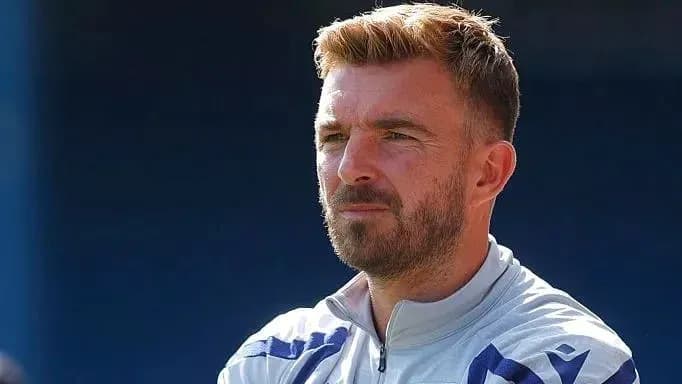
Andrew Stalbow has never pretended to be football’s next Hollywood saviour. He knows the comparison is coming, so he heads it off.
“I’m not Ryan Reynolds money, nor is my investor group,” he says. The point lands. This is not a vanity project. It’s something more grounded, and possibly more interesting.
The club’s board and its supporters’ society have both thrown their weight behind a proposed sale to a consortium led by Stalbow, co-founder and CEO of a mobile entertainment company. If the deal goes through, he will take over as chairman, fronting a global cast of backers who believe a relegated, bruised club can still be built into a Football League outfit.
He has raised £6m from around 50 investors. Not faceless funds, but individuals. Among them, Curt Smith, co-founder of the band Tears for Fears, has put money into the project. It is an eclectic group for a club that has been fighting just to stay alive.
“Many, many people have worked tirelessly over the years to keep this club viable,” Stalbow says. He doesn’t dress up the reality. “This past season, with relegation, has shown just how hard that has become without outside investment, and we’re lucky to have had a number of benefactors... without whom this club could not have survived.”
The message is blunt: the old model has hit a wall. Survival has been won on goodwill and handouts. Ambition needs something stronger.
Stalbow’s pitch is not about overnight miracles. It is about finally matching the scale of the town to the scale of its football.
He has a clear target in mind. “It’s actually the second biggest town or city in England that hasn’t made it to the Football League yet,” he says. That statistic stings. It also gives his project a sharp edge. This is not just a rescue. It is a challenge to the club’s history of near-misses and underachievement.
The new group wants to change the conditions, not just the conversation. “I obviously can’t control what happens in 90 minutes on match day,” Stalbow admits, “but we want to give the players the best chance of success and ultimately over the next few years, build out the infrastructure at the club that makes the club football league ready.”
That is where the real work lies. Training facilities. Staffing. Recruitment. Commercial operations. The unglamorous backbone that separates clubs who flirt with promotion from those who live there.
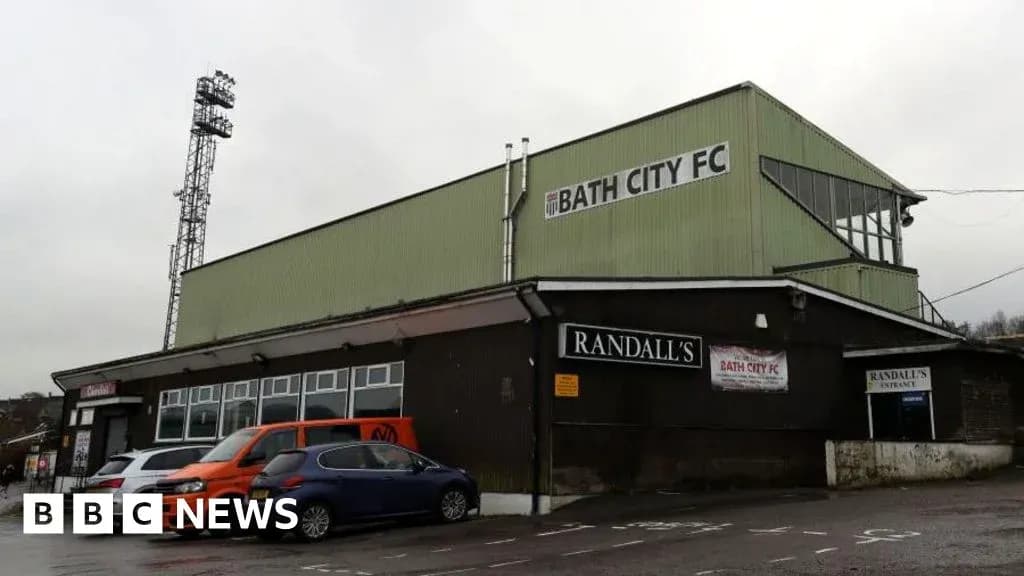
Then there is the stadium. It is the pride of the fanbase, a ground steeped in memories and meaning. It is also, as Stalbow puts it, an urgent project.
“It’s an amazing stadium full of heritage, but it needs a lot of investment,” he says.
The ground tells the story of the club: character in every corner, but years of underfunding etched into the brickwork. For the supporters, that mix of romance and reality is familiar. For the new chairman-in-waiting, it is both a responsibility and an opportunity.
So the club stands at a crossroads. Relegated, but not broken. Backed by a new, worldwide investor group, but still rooted in a community that has dragged it through lean years.
The numbers are on the table. The ambitions are public. The question now is simple, and ruthless: with fresh money, global backing and a town desperate for its first taste of league football, how long can this club afford to wait before it finally makes that leap?