Andrea Pirlo Takes Charge of Italy National Team
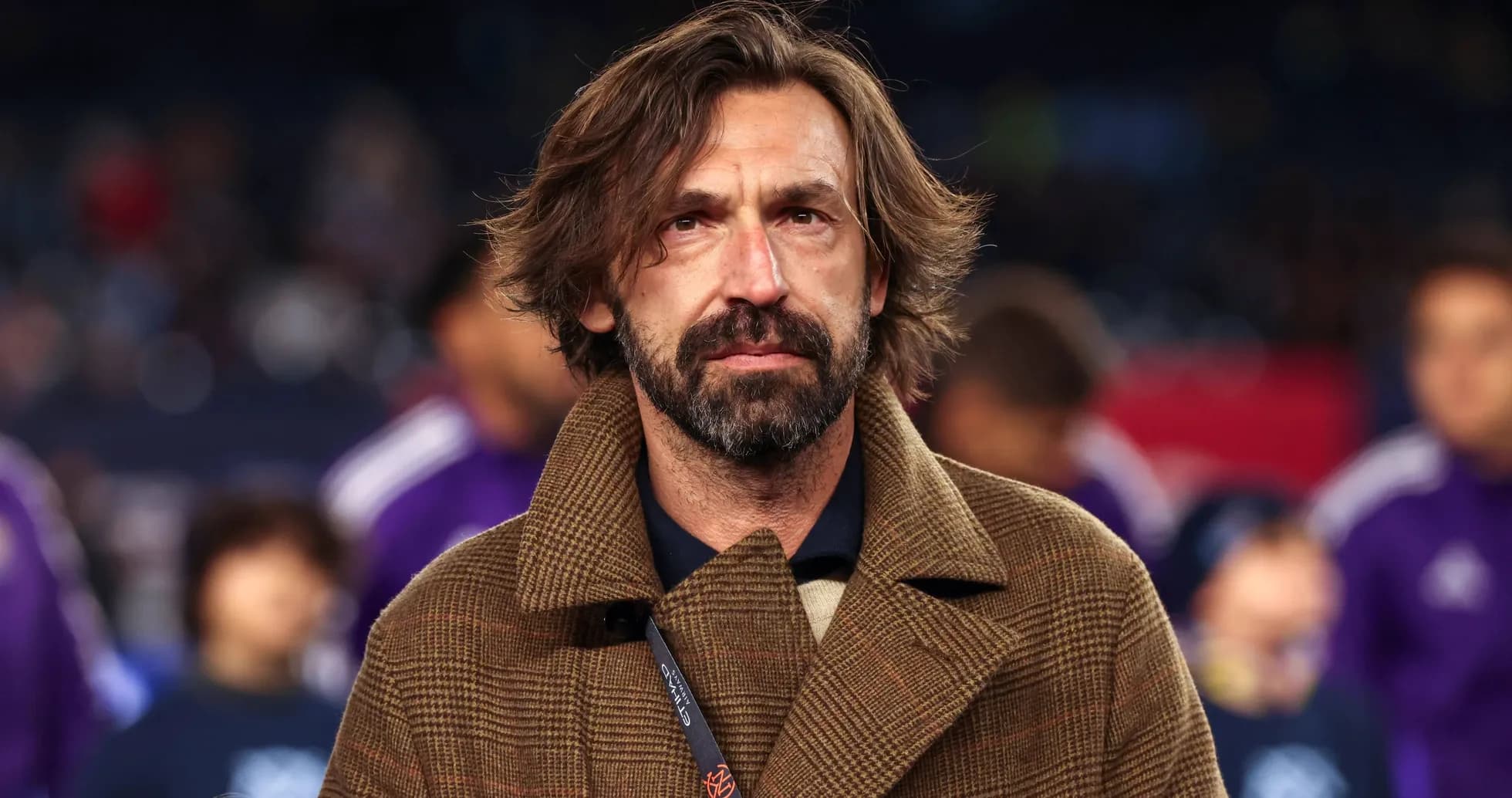
Andrea Pirlo is poised to step back into the heart of Italian football, this time not with his boots, but with a four‑year mandate to rebuild a fallen giant.
According to Italian daily La Repubblica, the Italian Football Federation (FIGC) has reached an agreement with the former Azzurri playmaker to become the new national team coach, handing the 47-year-old one of the most demanding jobs in world football at a moment of deep crisis for the game in his country.
FIGC has yet to comment publicly, but the choice of Pirlo is anything but anonymous.
From maestro on the pitch to man in the dugout
Pirlo’s name still carries the weight of 2006, of Berlin, of the World Cup lifted under the Olympic Stadium lights. He was the calm at the centre of Italy’s last great triumph, the metronome who dictated games for club and country with a style that made him one of the most revered midfielders of his generation.
His club career reads like a tour of Italian royalty: Inter Milan, AC Milan, Juventus. Titles, Champions League nights, decisive passes that cut through the tension as easily as they sliced through defensive lines.
Now the responsibility is different. The passes are gone; the decisions remain.
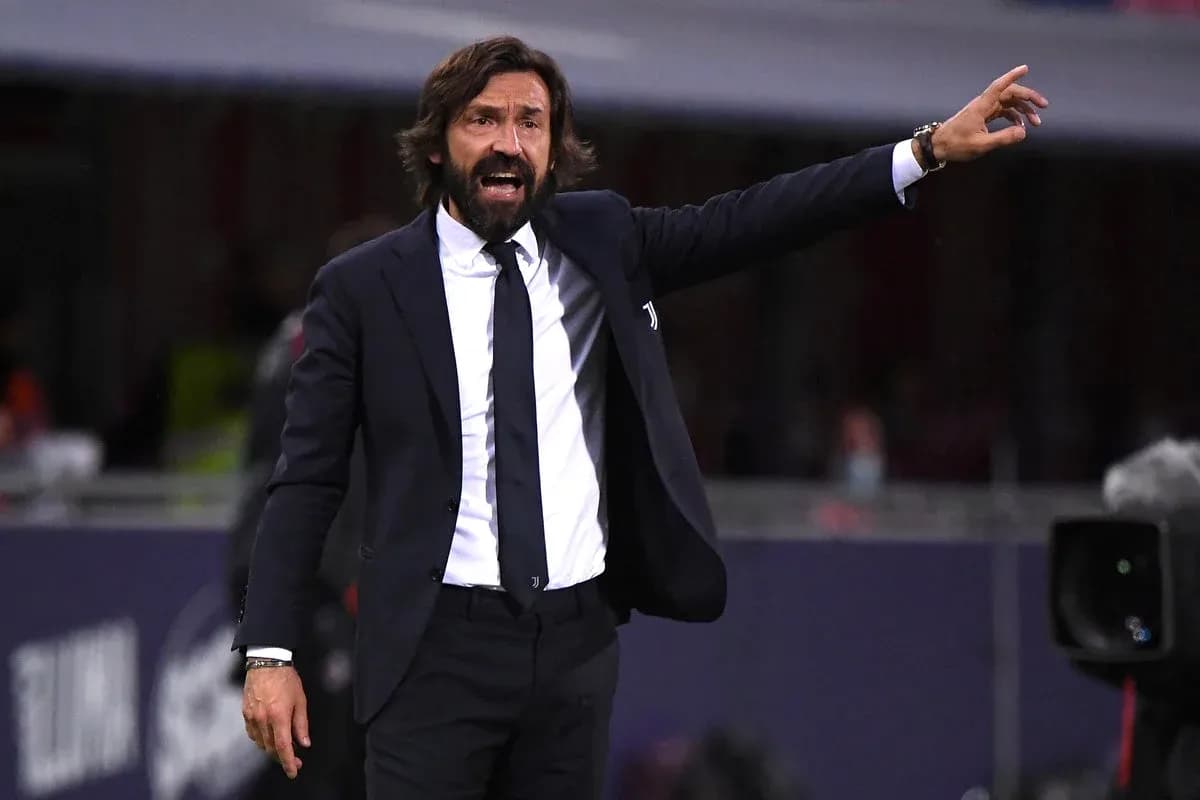
Pirlo is currently coaching Dubai United in the UAE First Division League, far from the noise and pressure of Coverciano and Rome. Before that, he had his first major taste of elite management at Juventus in the 2020-21 season, steering the club to the Coppa Italia and the Italian Super Cup. It was a brief, intense apprenticeship in the spotlight of Turin, one that ended after a single season but left him with two trophies and a crash course in managing a superclub.
This time, the stakes are even higher.
Guardiola says no as Italy search for a saviour
The agreement with Pirlo did not emerge in a vacuum. It arrived just hours after one of the most coveted coaches in modern football turned Italy down.
Pep Guardiola, fresh from closing a glittering chapter at Manchester City, rejected an approach to become Italy’s head coach, a source familiar with the talks told Reuters. The 55-year-old Spaniard held discussions with FIGC, with president Giovanni Malago indicating the federation would stretch itself financially for a figure of Guardiola’s stature.
The courtship failed. The answer was no.
Guardiola leaves behind a decade at City that reshaped English football: six Premier League titles, including an unprecedented run of four in a row, three FA Cups, five League Cups and the Champions League. Before that, he built dynasties at Barcelona and Bayern Munich, stacking up two Champions League trophies, three LaLiga crowns and three Bundesliga titles.
Italy wanted that pedigree. They will instead turn to their own.
FIGC also sounded out Brazil coach Carlo Ancelotti, another Italian coaching heavyweight, as the federation scoured the market for a leader capable of dragging a proud football nation out of its current spiral.
A fallen superpower bets on a symbol
The context Pirlo walks into is unforgiving. Italy, four-time world champions and once the benchmark of tactical sophistication, have failed to qualify for a third successive World Cup finals. The latest failure under Gennaro Gattuso, who stepped down in April, deepened a sense of national embarrassment and sporting decline.
This is not just about a bad qualifying campaign. Italian football is confronting one of its deepest structural crises in decades. The youth development pipeline has withered, talent pathways have broken down, and the domestic game has struggled to keep pace with rivals in terms of investment, infrastructure and long-term planning.
Appointing a new coach is seen as the first brick in a much larger reconstruction.
Pirlo’s image fits the narrative the federation craves: a World Cup winner, a modern thinker, a figure who commands respect in the dressing room and on the training pitch. He embodies the romantic idea that Italy can reconnect with its footballing identity by trusting one of its own, a man who has lived the shirt at the highest level.
Yet romance will not be enough. The task is brutal: restore belief, modernise the team’s approach, and help reshape a broken system, all while the country watches and judges every step.
Italy has chosen a maestro again. The question now is whether Andrea Pirlo can orchestrate a new era, not with the ball at his feet, but with a nation’s hopes on his shoulders.