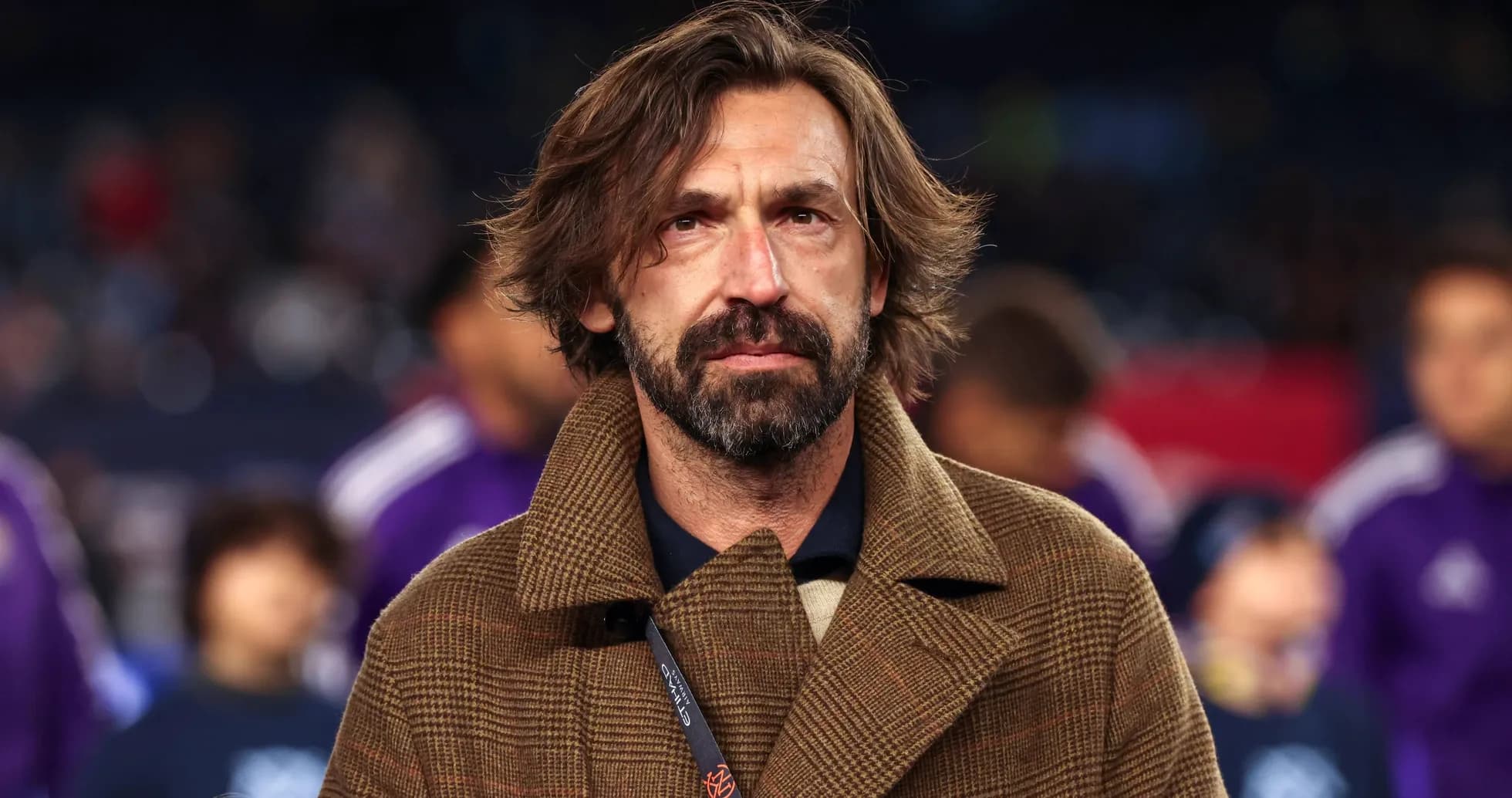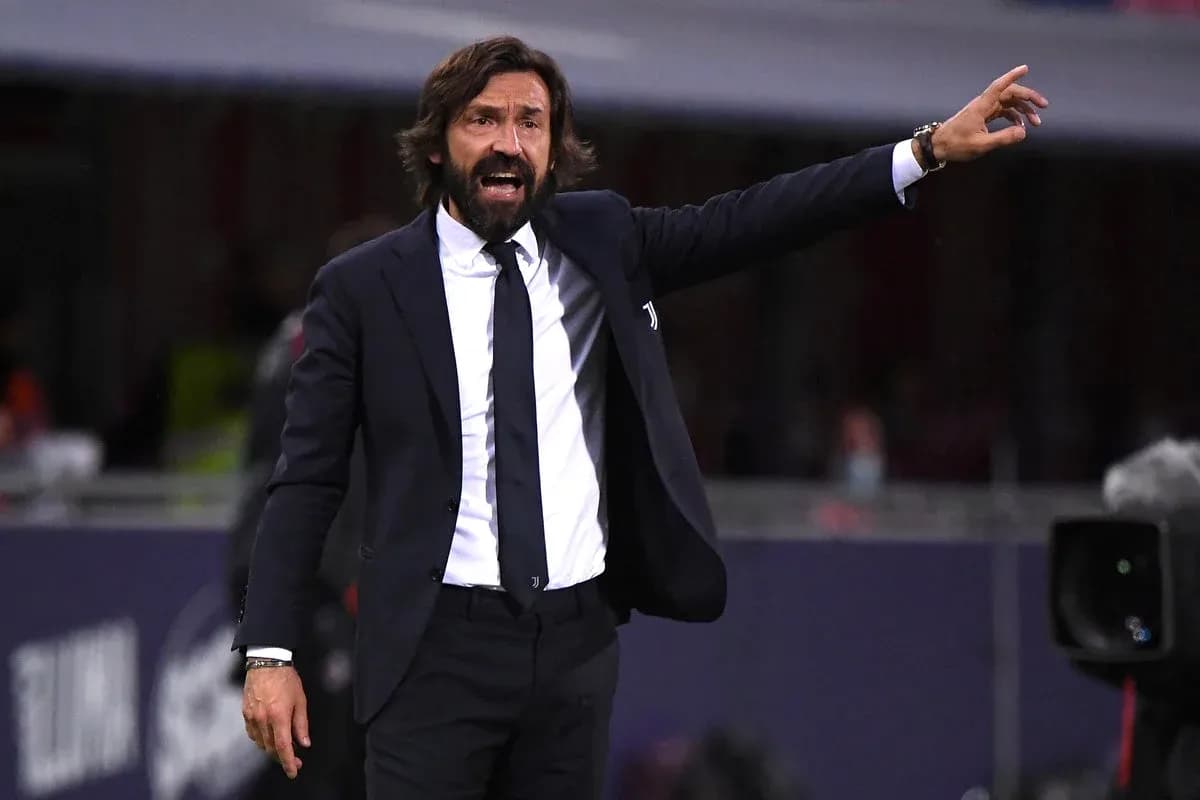
Andrea Pirlo Set to Lead Italy as New Head Coach
Andrea Pirlo is set to step out of the dugout and into the eye of a national storm.
According to Italian publication La Repubblica, the 2006 World Cup winner will be appointed as Italy’s new head coach on a four-year deal, a contract designed to carry him through to the 2030 World Cup and anchor a full-scale reset of a broken system.
This is not just another coaching change. It is a bet on an idea – and on a legend.
From regista to rebuild architect
Pirlo’s playing career needs no embroidery. Inter, AC Milan, Juventus. The metronome of Italy’s 2006 world champions. A midfielder who bent games to his rhythm and made chaos look choreographed.
His coaching path has been more jagged.
He started at Juventus, thrown into the deep end at one of Europe’s most demanding clubs. Spells at Sampdoria and Turkish side Fatih Karagumruk followed, before he took charge of Dubai United, where he currently works. There have been flashes of his philosophy, but nothing like the sustained dominance he enjoyed as a player.
Now, if the reports are confirmed, he will inherit something far more fragile than any club dressing room: a national team stripped of its old certainties.
A giant in crisis
Italian football is living through one of its darkest modern periods. Failing to qualify for one World Cup was a shock. Missing a second was a crisis. Failing to reach a third in a row has cut to the bone.
Gennaro Gattuso walked away in April after that latest failure, leaving behind a four-time world champion drifting without a clear identity or pathway. The senior team’s struggles mirror a wider collapse in youth development and talent production, a decline that has been years in the making in a country where football still dominates daily life and conversation.
The appointment of a new coach is only the first brick. The federation knows it. The public knows it. Pirlo, more than anyone, will know it.
He will not just be judged on results. He will be judged on whether Italy can once again produce and trust its own players.
Guardiola says no, Italy turns to its own
The Pirlo move comes at the end of a high-profile flirtation with a very different profile of coach.
Italian football federation president Giovanni Malagò confirmed this week that talks had taken place with Pep Guardiola. The former Manchester City manager, freshly out of the Etihad, held discussions over the role but ultimately turned it down, with Sky Italy reporting that he rejected the job for “personal reasons that go beyond football”.
Guardiola had already hinted at a pause. Before leaving City, he spoke of having no plans to jump straight back into work, admitting he lacked the “energy” for another immediate project. It echoed the language used by his long-time rival Jürgen Klopp when he stepped away from Liverpool.
Italy pushed. Guardiola declined. The door swung back towards a more familiar figure.
If the federation could not import the game’s most celebrated modern tactician, it has instead chosen a man who personifies its own footballing soul.
Klopp recharged, Germany reset
While Italy waits for Pirlo’s unveiling, another European superpower has already tied down its next era.
In Frankfurt on Friday morning, Klopp, now 59, was presented as Germany’s new head coach, his first job since leaving Liverpool two years ago. The sabbatical, he says, has done its work. He feels “recharged”.
He has signed a four-year deal that will take him through Euro 2028 and on to the 2030 World Cup, a clear, long-term mandate to restore Germany’s edge on the biggest stages.
“The national team brings us Germans together like almost nothing else can. That's what makes this task so special for me,” he said at his unveiling, leaning straight into the emotional weight of the job.
Germany have their evangelist. Italy, it seems, are turning to their artist.
A nation’s faith in Pirlo’s vision
So the stage is set.
On one side of Europe, Klopp strides back into the limelight with a proven blueprint and a fresh contract. On the other, Pirlo prepares to swap Dubai for Coverciano, asked to rebuild not only a team but a pathway that has withered at its roots.
The contrast is stark. Klopp arrives as a finished article. Pirlo steps in as a work in progress, entrusted with a job that could define the next decade of Italian football.
If La Repubblica’s report holds, his four-year deal will run right up to the 2030 World Cup – the same tournament Germany now know will be Klopp’s stage as well.
Two former rivals. Two footballing superpowers in search of themselves.
The question is simple, and unforgiving: can Andrea Pirlo, the regista who once dictated the world’s biggest matches with the ball at his feet, now do the same from the touchline for a country desperate to feel like Italy again?