Anders Limpar on Mikel Arteta's Summit at Arsenal
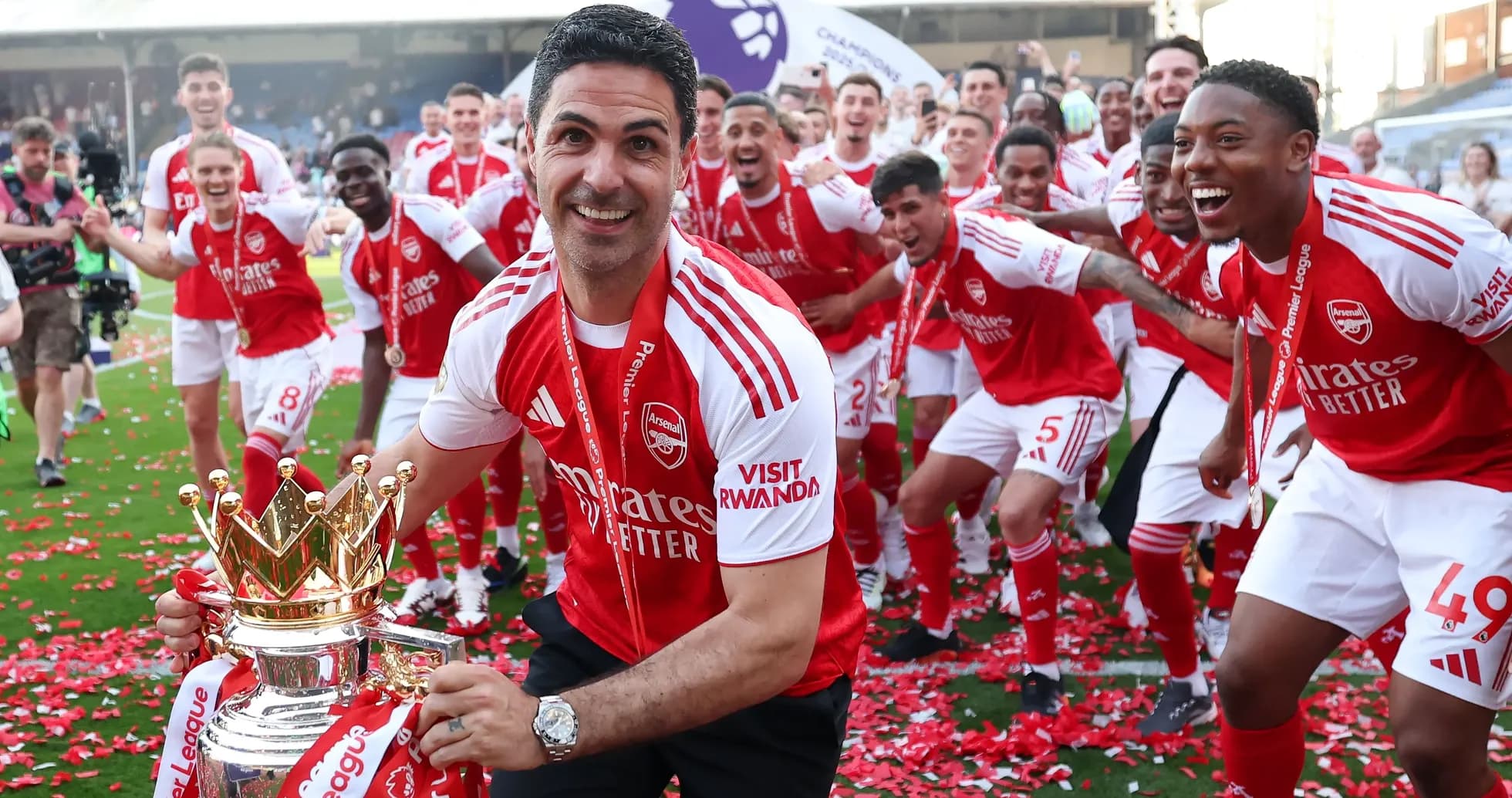
Anders Limpar believes Mikel Arteta is already sitting at the summit of club football – and that walking away from Arsenal now would make no sense at all.
The former Gunners winger, speaking to SveaCasino, painted a picture of a manager operating in near-perfect conditions in North London, backed by a club finally behaving like one of the sport’s true heavyweights.
“Why would Mikel Arteta ever leave Arsenal when they are able to sign the best players in the world for him?” Limpar said. “They are the best or second best team in Europe. Everybody wants to come and play for Arsenal now. We are a massive club nowadays.”
That is the crux of Limpar’s argument. Arsenal, in his eyes, have moved from hopeful challengers to an elite destination. The transfer market backs him up: high‑end players now see the Emirates as a stage, not a stepping stone.
The ambition is clear. Limpar pointed to Arsenal’s ability to compete across every front as proof that Arteta already has the platform others crave.
“To win the Premier League and go so deep into all four competitions, everyone wants to play for a club that could win the quadruple, and look at the players he already has!” he said. “They are all very good players. If you’re only a good player, you’re not going to fit in at Arsenal. Go and play for Brighton or Fulham or whoever.”
It was a ruthless line, but it underlined the standard he believes Arteta has helped set. This is not a squad built to carry passengers. It is built to suffocate opponents and compete with the very best in Europe.
Limpar went further, insisting even the game’s traditional super-clubs cannot offer Arteta a more attractive environment than the one he has constructed in North London.
“Arteta won’t find a better set up at Barcelona or Manchester City than what he already has at Arsenal,” Limpar claimed. “And they’re still signing him even more, even better players.”
That, though, is where the real challenge begins.
Limpar’s praise quickly turned into a warning. Building a squad packed with world-class talent is one thing. Managing the egos, the minutes and the frustration that come with it is another.
“To have a world class team, you need ten world class outfield players, but you also need to have more than ten world class players who are on the bench or who don’t even play,” he explained. “This is the hardest job for a manager. It was hard for the likes of Pep Guardiola and Jurgen Klopp. It will be hard for Mikel Arteta too to keep his squad happy. That’s the hardest thing. Arteta’s real job only starts now. He has to be a master psychologist if he is to keep everyone engaged under his umbrella.”
The comparison with Guardiola and Klopp is telling. Both built dynasties not just on tactics and recruitment, but on their ability to convince top players to accept rotation, sacrifice and delayed gratification. Arsenal are now entering that territory. The mood on the bench might matter as much as the quality on the pitch.
Limpar, who has seen the unforgiving side of elite football, stressed just how brutal that environment can be for a manager.
“It’s a tough business to be a manager at a top club, I can tell you that,” he said. “But this has been Mikel Arteta’s dream, to have the ten best players available every game, and there will be injuries, red cards and changes in form. If you look at the bench at those moments and the players are still not happy, it doesn’t matter who you are.”
That is the tightrope. The very depth that gives Arsenal a shot at the biggest prizes also threatens to destabilise the dressing room if mishandled. A few sulking stars, a couple of high‑profile omissions, and the narrative can turn quickly.
Limpar’s message to the players was blunt. Channel the anger. Use the snub.
“It doesn’t matter if it’s awkward coming into games like that. The players need to channel it. Come on thinking ‘I am going to run for that mother f***er and show him’ – that’s where the psychology of football comes in when you’re a danger. He’s in a dangerous position if he gets it wrong.”
So Arteta stands where every top manager wants to be: at the head of a squad capable of winning everything, at a club that now acts like a superpower. The question is no longer whether Arsenal can give him what he needs.
It is whether he can control the storm he has helped create.