Carlo Ancelotti on Neymar's Impact and Brazil's Future
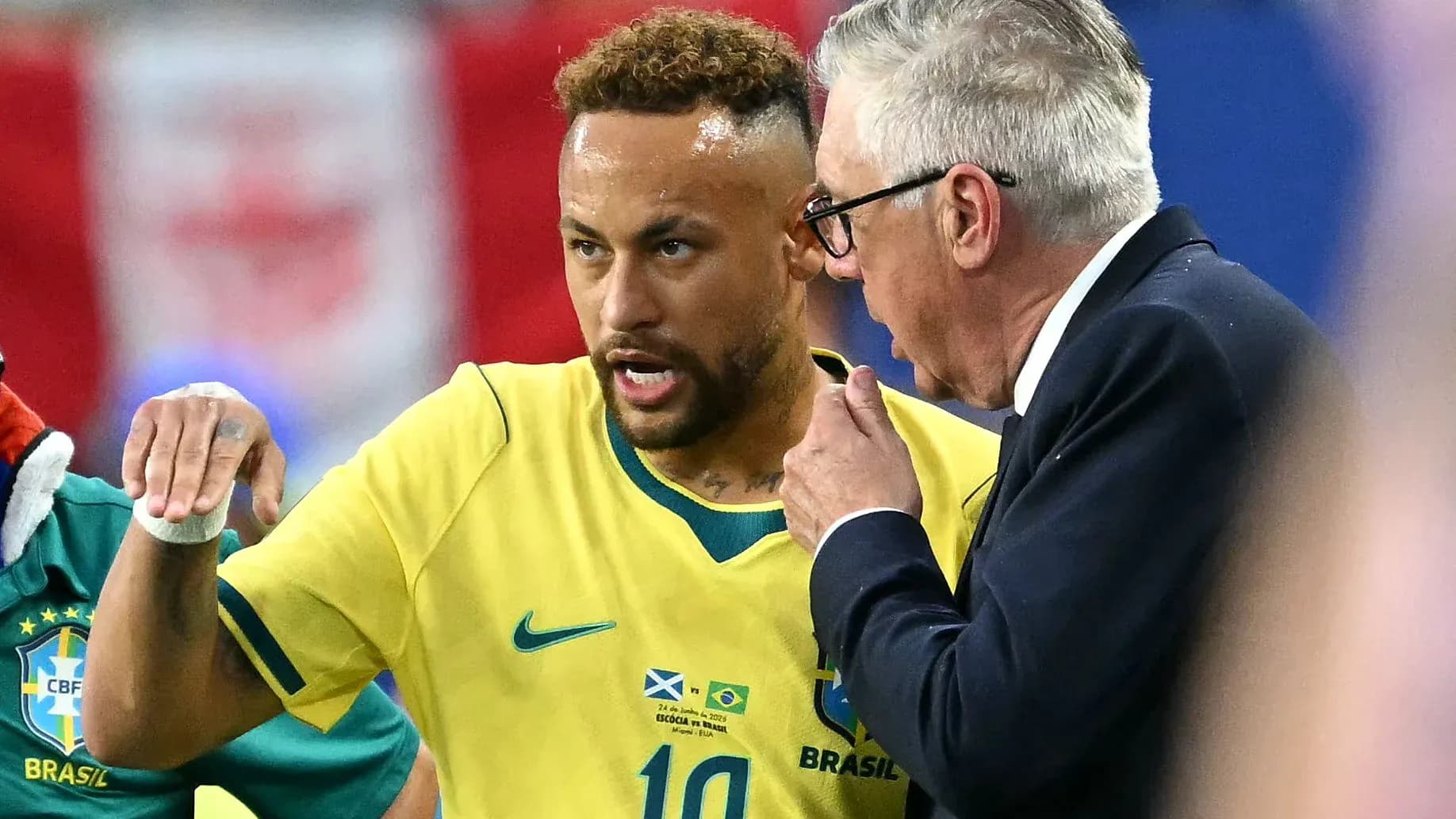
Carlo Ancelotti has never been one to dodge a hard truth, and he didn’t start now with Neymar.
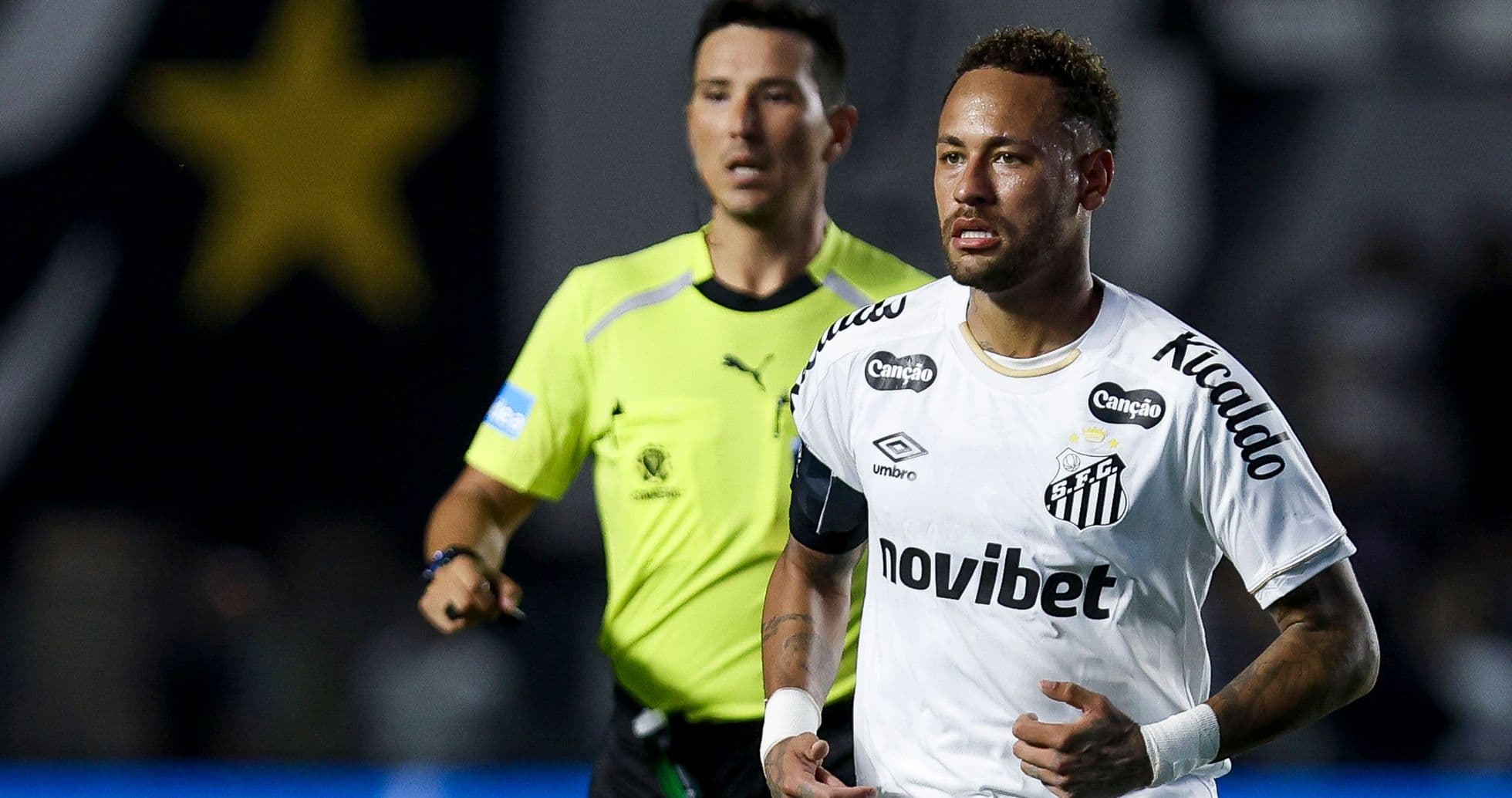
The Italian coach laid bare the reality of the Brazilian’s tournament: the No. 10 was present in name, influential in attitude, but far from the physical force Brazil had hoped to unleash.
Neymar arrived carrying a grade 2 calf strain, a problem serious enough to keep him out of the opening group matches against Morocco and Haiti. Match fitness never really caught up. The legs weren’t there, the rhythm wasn’t there, and Ancelotti made it clear that limited what Neymar could actually offer on the pitch.
“I think he didn’t contribute on a technical level as it was hoped he could, because he couldn’t,” Ancelotti told ESPN. The verdict was blunt. The context was not. “But, in terms of attitude, it was a very positive attitude. I have a lot of affection for him, I thanked him for his attitude, for his behavior, and I think it was the right decision to include him on the 26-man roster.”
So the coach separated the man from the performances. Behind the scenes, Neymar led. In public, he played. On the field, he never truly exploded.
What clearly grated on Ancelotti was not the player’s commitment during the tournament, but the preparation that came before it.
“The only thing that bothered me is that Neymar could have prepared himself better during that lead-up period,” he admitted. “He could have been ready for game one instead of game four. That was the only disappointing part.”
That single line cuts to the heart of the issue. For years, Brazil have built around Neymar, absorbed his injuries, accepted his absences, and waited for his talent to tilt tournaments. This time, the waiting felt avoidable to the man in charge.
Now, the waiting is over.
With Neymar stepping away from the international stage, Ancelotti is not just tweaking a squad; he is talking about a full-scale rebuild aimed squarely at the 2030 World Cup. The shift is philosophical as much as tactical. Brazil are being steered away from the era defined by the stars of the 2010s and toward a new generation expected not just to replace them, but to surpass them.
“I think that players like Neymar, who already commented yesterday, and with all due respect to his decision. I believe that in history, one generation ends and another has to come, and it has to be better than the last one,” the former Real Madrid boss said.
The message is unmistakable: gratitude for what has been, impatience for what must come next.
Neymar is only the headline name in what promises to be a broader changing of the guard. Ancelotti openly acknowledged that several pillars of the Seleção are approaching the end of their international road.
Asked specifically about Casemiro, Danilo and Alex Sandro, he didn’t offer platitudes. He offered a verdict.
“I think so. It is a period that is coming to an end. Obviously, we have to thank all of them, and I have a lot of affection for all of them. But I think the idea that a player over 30 is done means that we have to think about the future.... Some of these players will be there, obviously. Marquinhos, for example. Alisson, we’ll see.”
In a few sentences, Ancelotti mapped out Brazil’s crossroads. Respect for the veterans, yes. Space for sentimentality, no. Some over-30s will survive this reset, others will not, and reputation alone will not be enough.
Marquinhos is name-checked as a cornerstone. Alisson sits in the “we’ll see” category, a reminder that even established stars are now subject to cold evaluation.
Neymar’s story with Brazil has always been emotional, polarising, dramatic. Ancelotti’s stance strips away the noise. The affection is real. So is the frustration. Above all, so is the need to move on.
For the first time in more than a decade, Brazil are preparing for a World Cup cycle without automatically building around their No. 10. The question now is not what Neymar can still give the Seleção.
It’s whether the next generation can finally deliver the World Cup he never could.