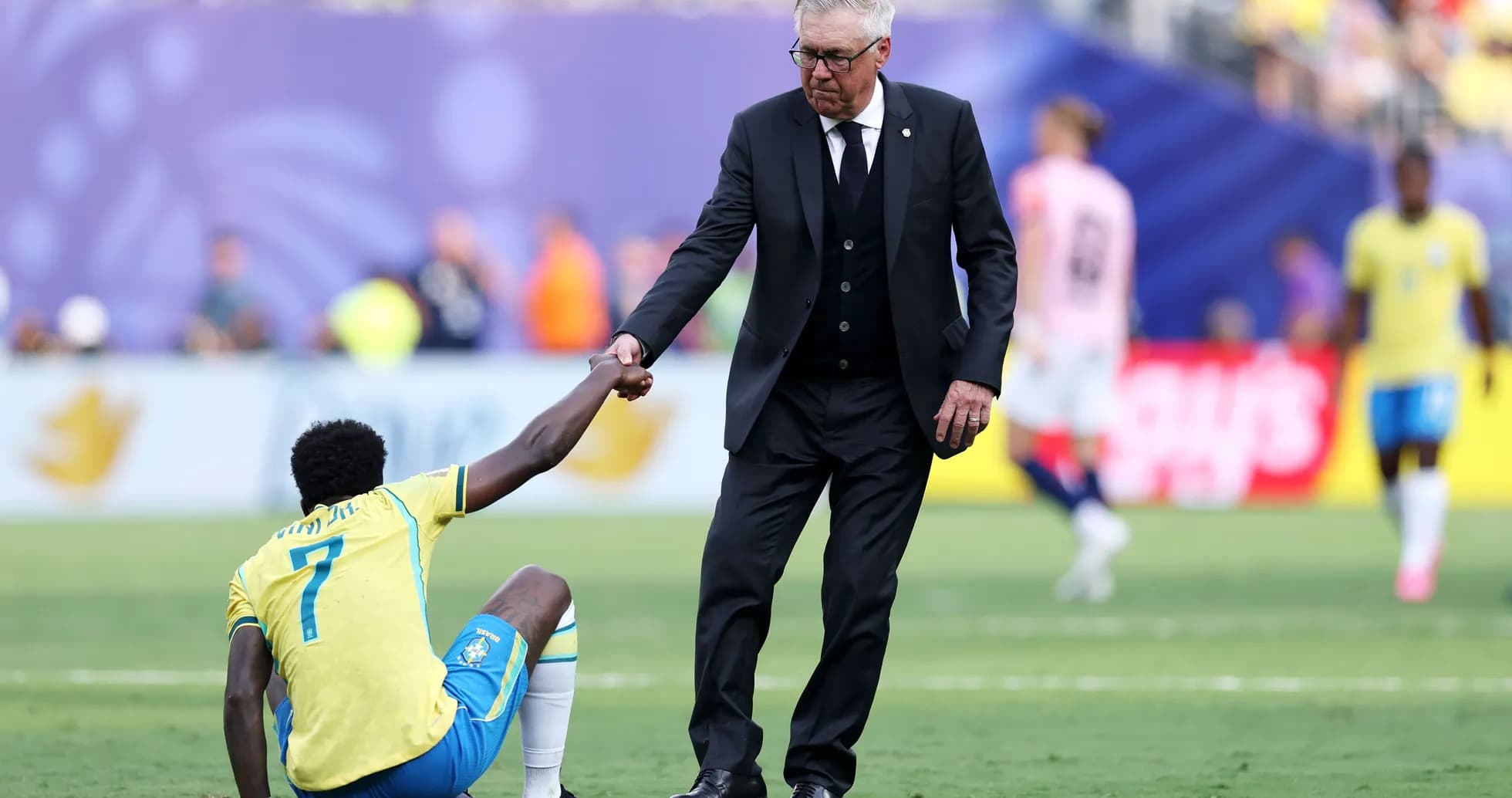
Carlo Ancelotti Reflects on Brazil's World Cup Exit
Carlo Ancelotti has lived enough football nights to know that tournaments are rarely decided by a single moment. Yet when he looks back at Brazil’s 2026 World Cup exit, he keeps coming back to one: a water break against Norway.
Brazil went out in the round of 16, beaten 2-1, their wait for a world title now stretching all the way back to 2002. For a nation that measures eras in trophies, that is an uncomfortable gap. For Ancelotti, the explanation is not a lack of work or preparation. It is a misread in the heat of a game he felt was under control.
“We lost the World Cup during the water break”
Speaking to ESPN, the Italy-born Brazil coach defended the broader project while zeroing in on the turning point.
“In general, I think the work done over a year was excellent,” he said. “Logistically, the Brazilian team was very well organised in terms of the hotel, the stadium and the training ground. I think the players' performance throughout the year was positive. I also think the 26 players who were called up were the most suitable to be there.”
The plan, though, never quite survived the months leading up to the tournament.
“It turns out we have to take into account that the plan drawn up last year changed slightly because of injuries, because we suffered many injuries in the period between March and the World Cup: Militão was injured, and Rodrygo, then Estêvão, and Wesley was injured before the World Cup, and during the World Cup, Raphinha was injured. So the plan changed a little.”
Even so, when Brazil faced Norway, Ancelotti felt his side were managing the tie. Then came the second-half water break.
“I think we lost the World Cup during the water break against Norway. Why? Because the team was in control of the flow of the match until that moment.”
Norway, he stressed, were not passengers.
“It is also true that Norway had possession of the ball, and had a lot of it in their own half... Norway played the same way against England. They controlled the match, but in the end, they could have beaten England.”
The problem, in Ancelotti’s eyes, was not Norway’s passing but his own interpretation of it. He believed Brazil were losing control. He acted. And that, he now concedes, may have been the mistake.
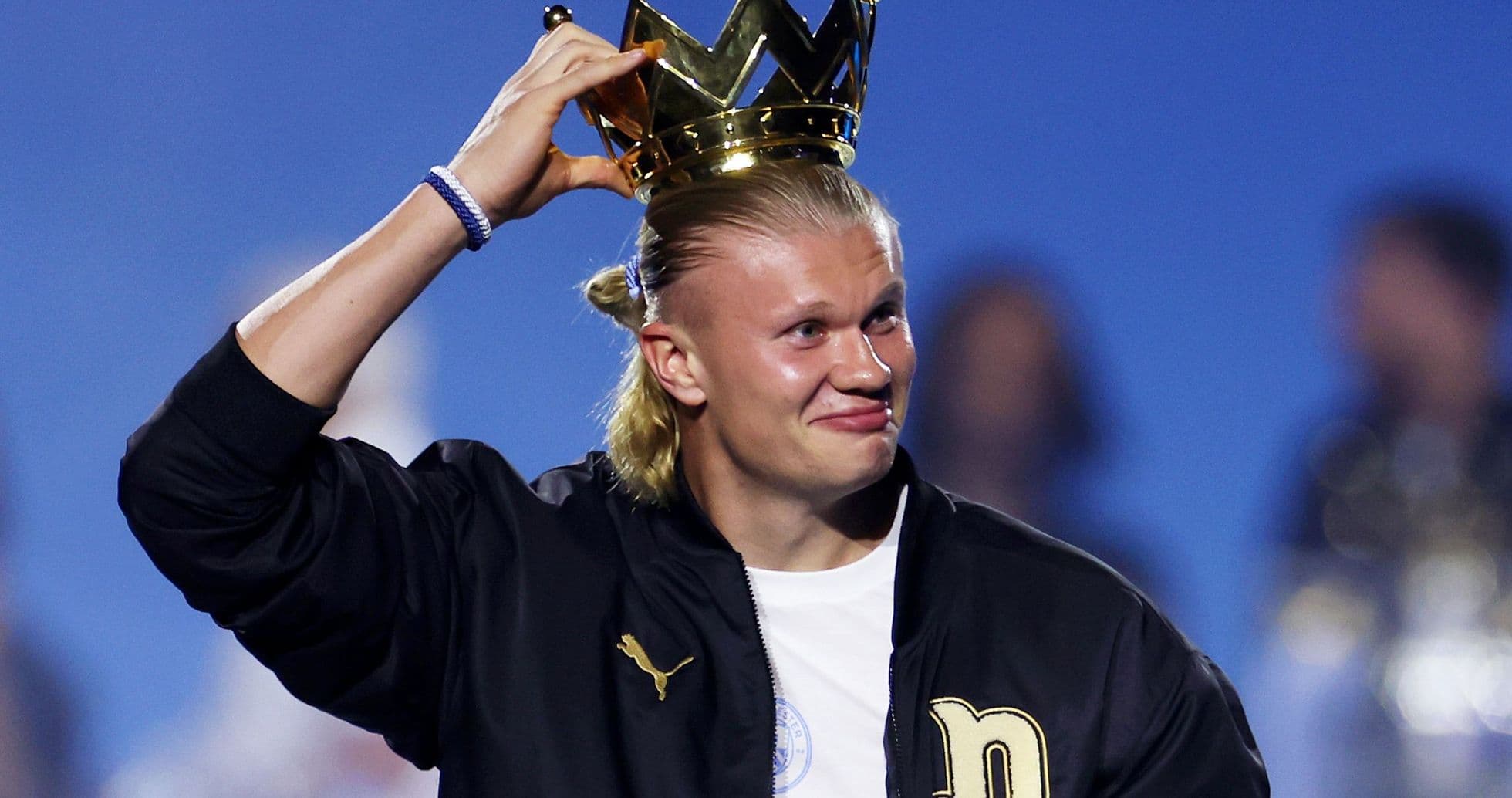
“Perhaps my mistake was here, when I thought the team had lost control of the match when that was not the case. I made some changes to the line-up, then we had the problem of Erling Haaland's goal. And in the World Cup, when they score a goal against you in the thirtieth minute (of the second half), it is very difficult to recover. But we did have a chance to recover.”
Haaland’s strike tilted the tie. The clock, as it always does at this stage of a World Cup, became an enemy.
The Neymar dilemma
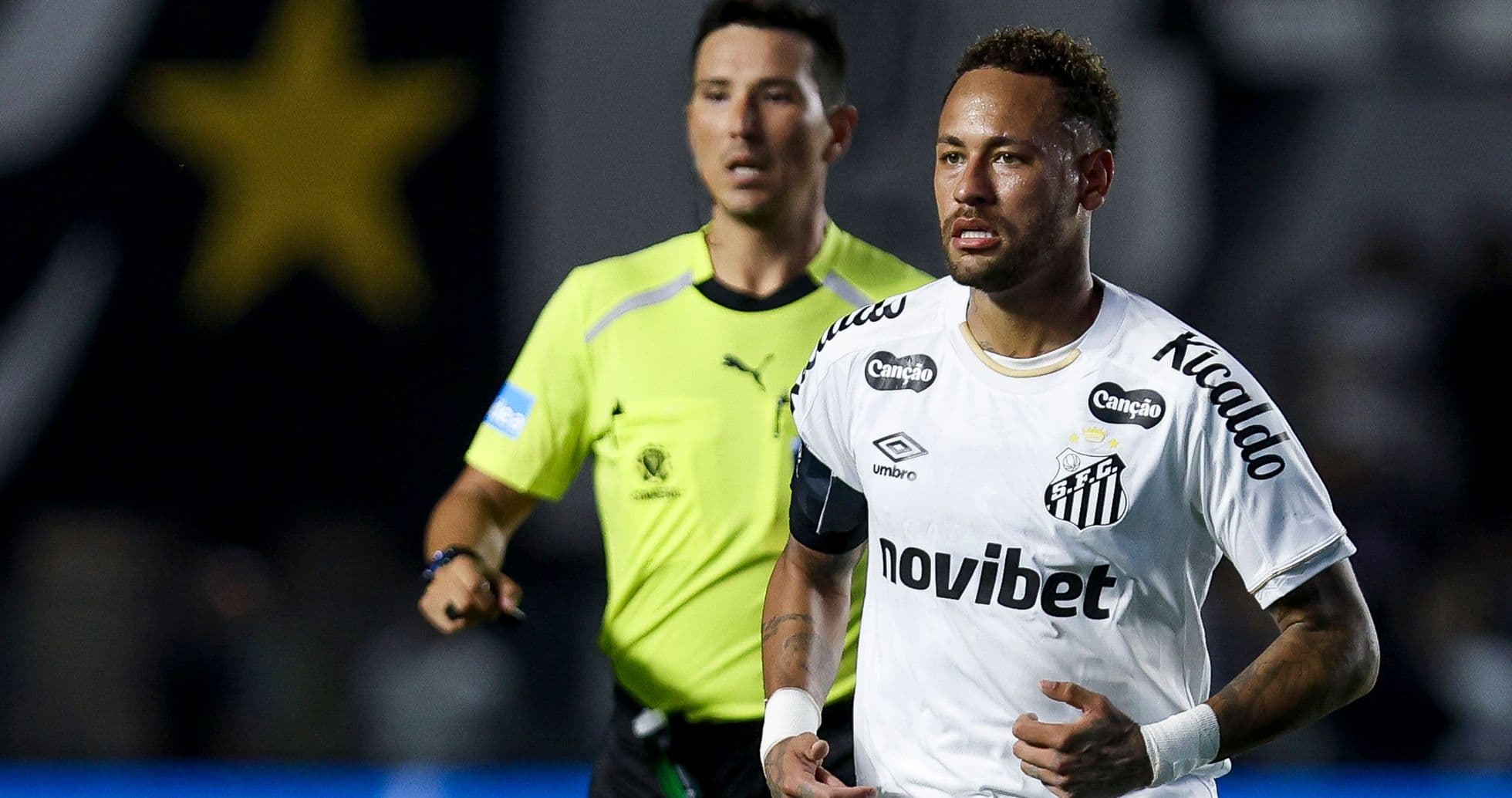
What followed has been dissected in Brazil ever since: the late introduction of Neymar and the reshuffle that came with it. Critics argued that the change broke the team’s balance. Ancelotti is unmoved.
No, when Neymar came on at that moment, I took off Ryan and brought on Endrick as a right winger, thinking that Neymar was capable of creating a goal, or showing his skills at that moment, in the 70th minute. That is what I intended to do against Japan.
There was a plan for Neymar, carefully drawn up across games. Japan had been the template.
“But why did I bring on Gabriel Martinelli against Japan? Because the team was completely in control of the match. Japan relied only on counter-attacks. The aim was not to score a goal, rather I was thinking of bringing on Neymar in extra time against Japan.”
Against Norway, the script changed. Control slipped in Ancelotti’s mind, and he accelerated the Neymar option.
“I brought Neymar on a little early to regain control of the match. Then you also have to think about the decisions you have to take... I heard (Thomas) Tuchel say he came in for heavy criticism, and the truth is that you have to make a very difficult decision. It is a moment full of tension, and you do not always get it right.”
There is no apology for trusting his star. Only a tweak in how he frames the decision.
“I think Neymar should have been brought on, he had to come on at that moment because he was performing well, trained well, and prepared well. I liked his sporting spirit. I think he helped the team. But, with him coming on, there was no need to change the structure of the team.”
That last line lingers. In a World Cup decided by fine margins, Ancelotti is left believing not that he chose the wrong man, but that he moved too much around him. For Brazil, the question now is whether those lessons harden them for the next cycle, or haunt them the next time the water break whistle blows.