2026 World Cup Quarterfinals: High Stakes and Dramatic Showdowns
Seven left standing. Four places to fight for. The 2026 World Cup has hit that ruthless stretch where every mistake is a farewell and every kick can redraw the map of world football.
From a field of 48, the tournament has been stripped back to its elite: France, Spain, Belgium, Norway, England, Argentina, and Switzerland. The hosts are gone. The safety net is gone. What’s left is pure jeopardy.
A Quarterfinal Stage Loaded With Storylines
The next three matches will decide who joins France in the last four, and the bracket has thrown up a fascinating mix of pedigree, promise, and outsiders with nothing to lose.
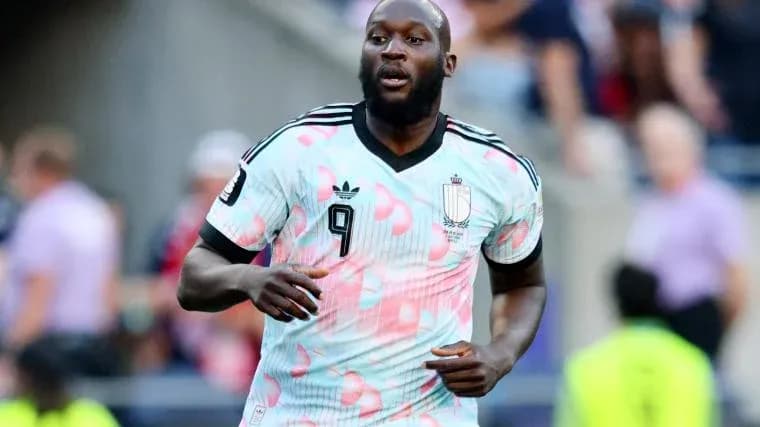
First up: Spain vs. Belgium in Los Angeles, today at 3 p.m. ET. Two nations with golden generations at different stages of their cycle, both carrying the weight of “this might be our time” on their backs. Spain arrive with their familiar obsession for control, Belgium with their familiar question: can they finally turn talent into trophies?
Tomorrow, the drama shifts east and central.
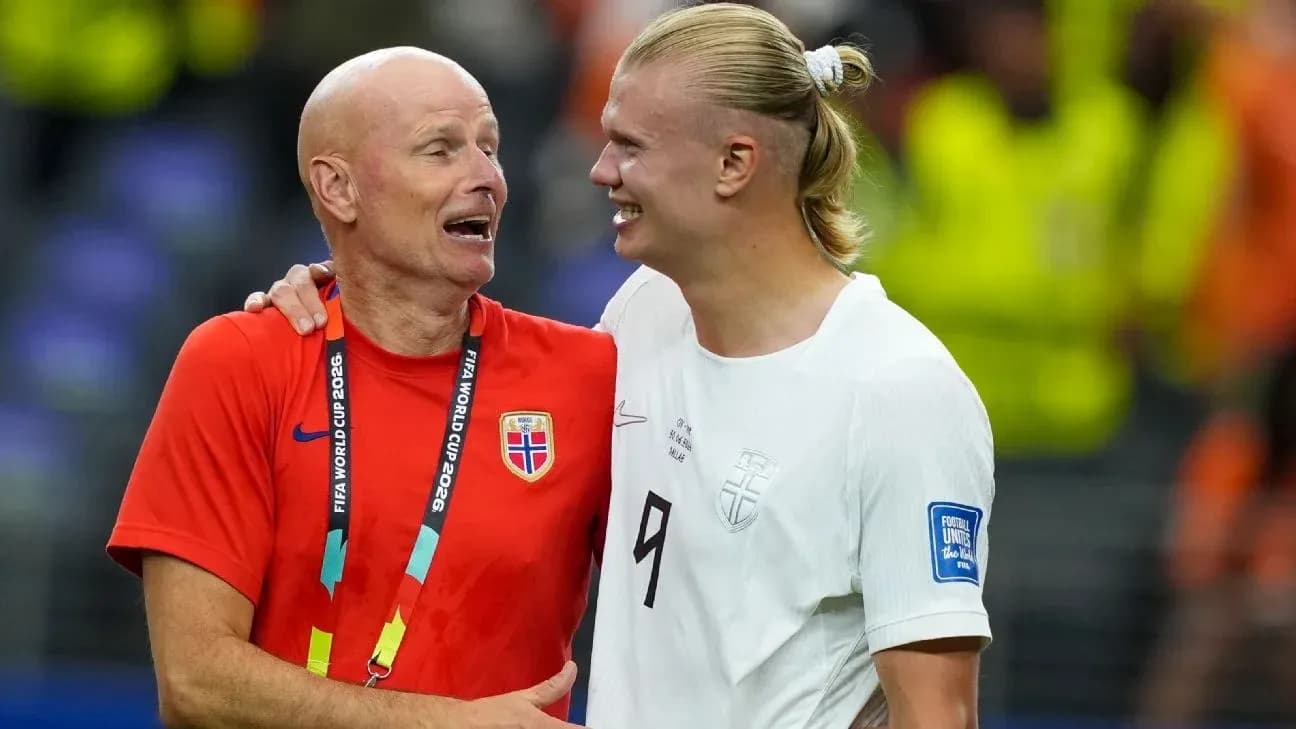
At 5 p.m. ET in Miami, Norway face England in a clash that feels like a test of nerve as much as talent. England, once again deep into a major tournament, are trying to prove they’ve learned how to manage the pressure that used to crush them. Norway, powered by a group that has dragged the nation into the global spotlight, are no longer plucky underdogs. They’re contenders, and they know it.
Then comes the late show in Kansas City at 9 p.m. ET: Argentina vs. Switzerland. Argentina carry the weight of history every time they walk into a knockout match. Switzerland carry something different: a growing reputation for ruining bigger nations’ plans. One slip, one misread moment, and a giant could fall.
France wait in Dallas on July 14 at 3 p.m. ET, already booked into the first semifinal. They’ll meet the winner of this gauntlet. The second semifinal, set for Atlanta on July 15, remains a blank canvas, three TBDs waiting to be written in by 90 frantic minutes at a time.
A World Cup Without Its Hosts
The United States, Canada, and Mexico lit the fuse on this expanded World Cup, but all three have been pushed out before the business end. Team USA’s exit came at the hands of Belgium in the Round of 16, a defeat that cleared the deck of host-nation narratives and left the tournament entirely in the hands of the traditional and emerging powers.
It means the knockouts now belong to the global heavyweights and the ambitious climbers: Brazil, Germany, Portugal, and others have already had their say earlier in the tournament; now it’s this final seven who shape the story.
The Road So Far, the Road Still to Come
The 2026 World Cup opened on June 11 with an expanded group stage that ran through June 27, twelve groups of four setting the rhythm across Canada, Mexico, and the United States. From June 28, the tone changed. The knockout rounds started, and the margin for error vanished.
The quarterfinals kicked off on July 9. The semifinals arrive quickly now: July 14 and 15. The third-place match lands on July 18, and the champion will be crowned on Sunday, July 19, when the world stops for one last game.
Who gets there from here is the story of the next few days.
Spain trying to restore an era. Belgium trying to finally cash in on theirs. England wrestling with their past. Norway daring to imagine a first final. Argentina chasing another chapter in a legendary history. Switzerland looking to gatecrash the VIP room. And France, already in the semifinals, quietly watching it all unfold, knowing someone has to come through this storm to meet them.
The bracket is set, the schedule is clear. The only thing left is the football—and the answers it’s about to deliver.