FIFA Increases Club Benefits Programme to $355 Million for World Cup
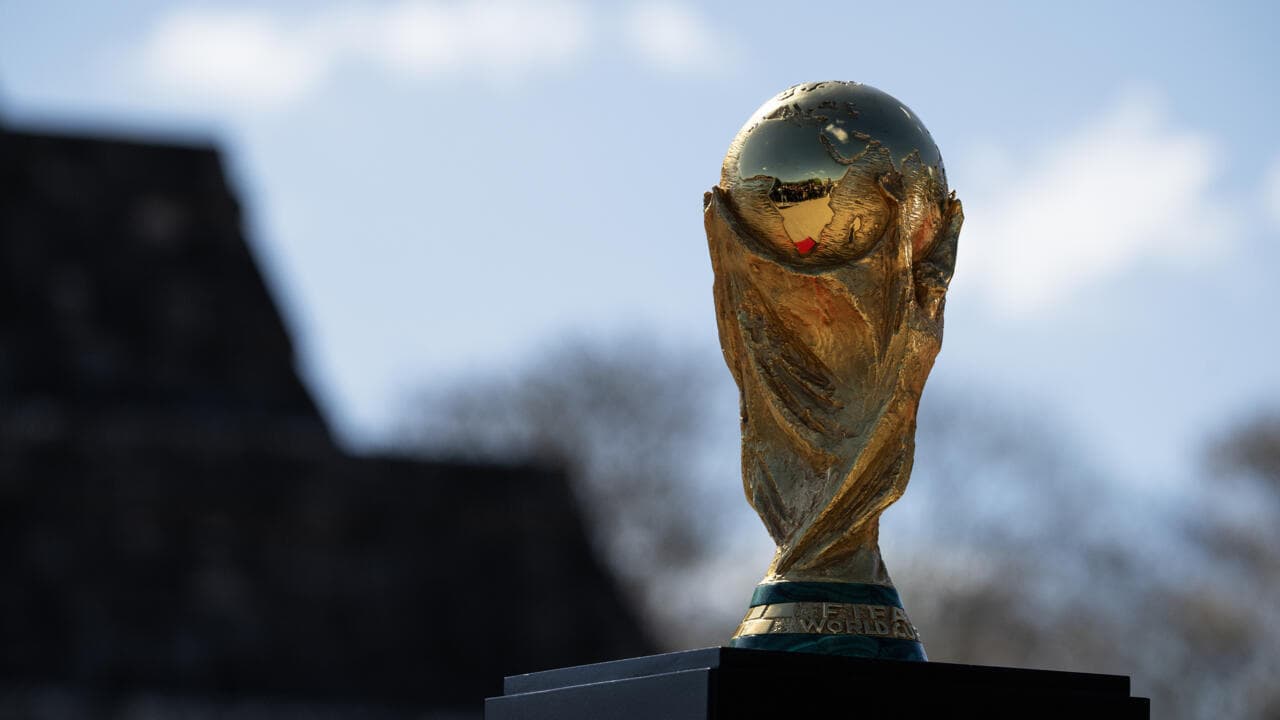
FIFA has put a new number on the cost of doing business with the clubs that supply its World Cup stars – and it is a sharp rise.
The governing body confirmed it has lifted the pot for its Club Benefits Programme to $355 million (306m euros), a 70 percent jump from what was distributed after the 2022 World Cup in Qatar. The increase had been flagged last September; now it is locked in.
The move comes against a backdrop of booming World Cup income. FIFA does not publish full revenue figures for the tournament itself, but it projects that total revenue for this year will be 56 percent higher than in 2022. Across the four‑year cycle to 2026 – which includes the expanded Club World Cup in 2025 – FIFA expects to bring in 72 percent more than in the previous period.
The World Cup that underpins those numbers is bigger in every sense. The finals expand from 32 teams to 48. The match count jumps from 64 to 104. The schedule stretches to 39 days, up from 29. More teams, more games, more days – and, FIFA argues, more money flowing back to the clubs.
For the first time, that flow will not be limited to the finals. Clubs will now receive compensation for players involved in World Cup qualifying as well, a long‑requested concession from those who carry the wage burden all year.
Distribution of Funds
FIFA has sliced the $355m fund into three distinct portions.
- The bulk, $250m, is set aside for clubs whose players reach the finals. FIFA has calculated that the minimum payment per player will be $5,000 for every day spent at the World Cup, with the final amounts only confirmed once the tournament ends. The money will be calculated “on a per‑player, per‑day basis, taking into account both squad inclusion and the duration of each player's involvement,” FIFA said.
- Another $100m is earmarked for the qualifying phase. Here, the formula is more precise. FIFA says it will pay $2,362 for each player named in a match‑day squad across the 905 qualifying fixtures, plus for 10 friendlies each for the three host nations, who do not need to qualify but will still play designated preparation games.
- The last slice, $5m, is reserved for administrative costs. Any leftover amount from that portion, FIFA says, will be “allocated to the benefit of global club football.”
Gianni Infantino, FIFA’s president, framed the package as a direct dividend of the supersized World Cup.
“This is another benefit from the expanded FIFA World Cup – providing more support across the entire football ecosystem to the clubs that provide all the players who compete to shine on the global stage,” he said in the statement unveiling the programme.
As ever, the detail lies in registration and timing. Payments are tied to a player’s club at the moment national teams announce their World Cup squads. Even so, FIFA has built in mechanisms to account for players who move clubs during the tournament and for late replacement call‑ups.
The money is bigger, the tournament is bigger, and the stakes for clubs are rising with every extra match added to the calendar. The question now is whether this richer compensation package will satisfy teams who see their most valuable assets playing more games, for longer, under someone else’s banner.