Celtic Fans Oppose Robbie Keane Appointment Amid Political Tensions
Celtic’s pursuit of Robbie Keane has run straight into the teeth of a political storm.
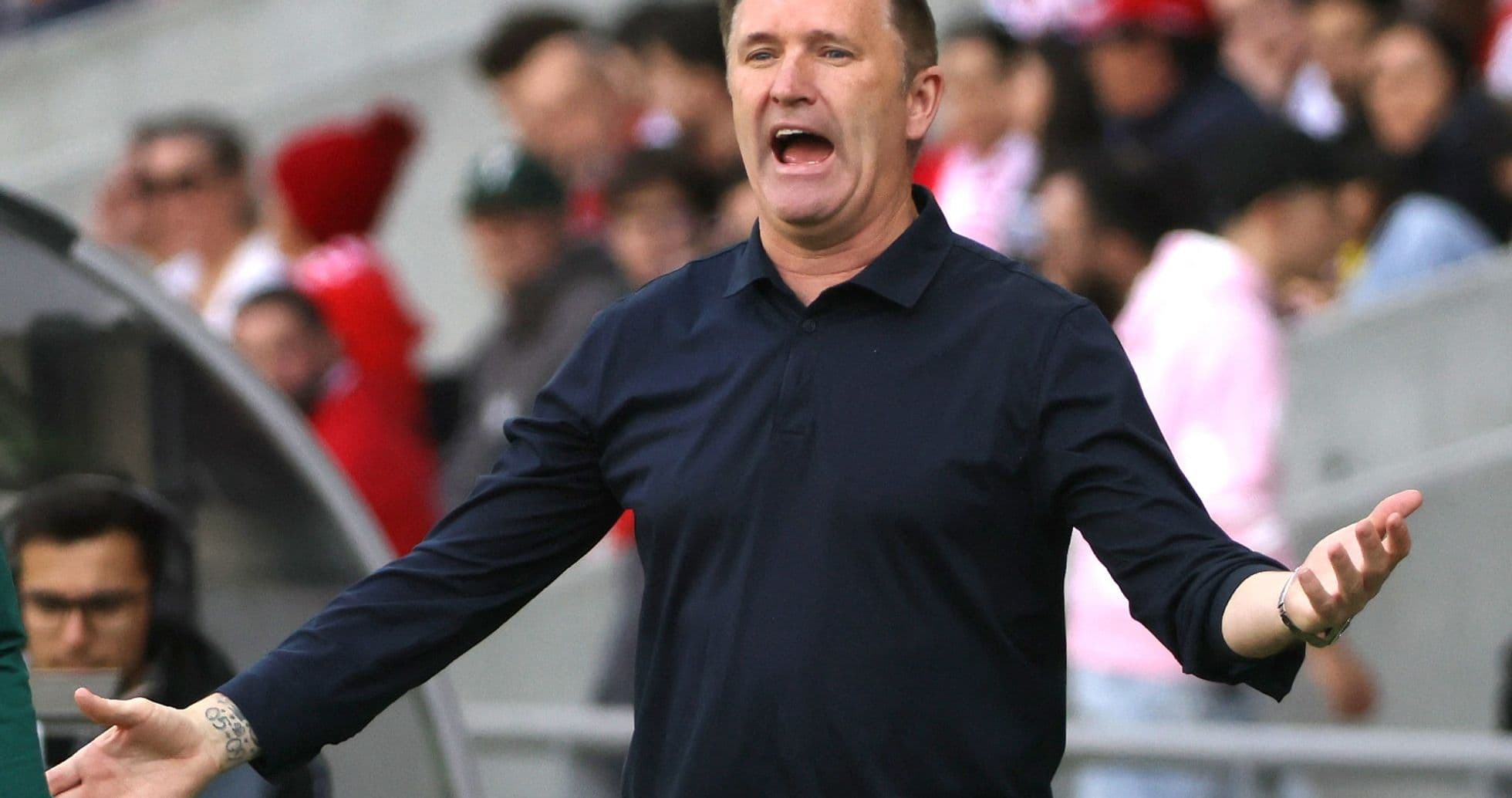
The former Ireland captain is understood to be the frontrunner to take over the Scottish champions, having reportedly entered talks with principal shareholder Dermot Desmond. On football terms, it makes sense: a high‑profile name, a Celtic connection, a recent league and cup double on his CV.
On the streets around Celtic Park, it looks very different.
A fanbase split by politics, not tactics
Celtic’s pro-Palestinian supporters have reacted with fury to the prospect of Keane in the dugout, focusing on his decision to manage Israeli club Maccabi Tel Aviv during the war in Gaza.
Graffiti and banners opposing his appointment have appeared outside the stadium in Glasgow, a visible escalation from online discontent to organised protest. This is not a fringe murmur. It is loud, coordinated and rooted in a long-standing political identity within the Celtic support.
A group calling itself “Celtic Fans for the Liberation of Palestine” issued a strongly worded statement warning that hiring Keane “would be deeply divisive among the support”. The “North Curve Celtic” account on X then published a list of 67 groups that had endorsed that statement, underlining the breadth of opposition.
“Celtic supporters have a long and proud history of solidarity with the Palestinian people,” the statement read. For those fans, Keane’s choice to work in Israel during the bombardment of Gaza is not a footnote. It is the story.
Keane’s Maccabi spell at the heart of the anger
Keane took charge of Maccabi Tel Aviv in June 2023, several months before the Hamas-led attacks of October 7 and Israel’s subsequent offensive in Gaza. He stayed in the job throughout the conflict, guiding the club to a domestic double before resigning in 2024 and moving on to Hungarian side Ferencvaros.
That decision to remain in Israel once the war began drew criticism in Ireland and hardened opposition among a vocal section of Celtic’s support.
“For us, Robbie Keane’s decision to manage Maccabi Tel Aviv during the genocide in Gaza is impossible to ignore,” the fans’ statement continued. “To choose to manage a club in Israel while, less than 40 miles away, the same country was using indiscriminate weapons of mass murder against defenceless people is unconscionable.”
The language is uncompromising, steeped in Celtic’s self-image as a club born from struggle and solidarity.
“Celtic was founded by a community shaped by the legacy of genocide, displacement and famine. Our club’s roots lie in solidarity with those who suffered injustice and oppression. We urge the Celtic board to listen to supporters’ concerns and reconsider this appointment.”
Keane’s stance and sense of duty
Keane has previously explained why he stayed at Maccabi Tel Aviv for the full campaign. He pointed to a responsibility to the backroom staff who followed him to Israel.
“I have a duty of care,” he said. “My analyst, for example, was at Middlesbrough for 12 years. For him to come with me to Israel and then for me to just walk away, leaving him and his family.”
That argument may resonate within the dressing room and the coaching fraternity. Among the groups now mobilising against his appointment at Celtic, it has done little to soften the view that his presence on the touchline would clash with the club’s political heartbeat.
A hero’s past, a complicated present
Keane is not a stranger to Celtic Park. In 2010, he enjoyed a prolific loan spell in Glasgow, scoring freely and briefly becoming the focal point of the attack. For some, that short but thrilling stint still carries weight.
For others, it is irrelevant against the backdrop of Gaza.
Celtic supporters have displayed Palestinian flags at matches throughout the conflict, often in huge numbers. That visual identity has become a defining image of the club in recent seasons, particularly in European fixtures. Any manager associated with Israel was always likely to face scrutiny. Keane, because of his profile and timing, has become a lightning rod.
Boardroom decision, terrace consequences
Inside the club, the decision remains a football one: who replaces interim boss Martin O’Neill, the 74-year-old who stepped in to guide Celtic to the Scottish Premiership title on the final day of the season and added the Scottish Cup for good measure.
Outside, the debate has already moved beyond tactics and trophies. It has become a question of what Celtic stands for, and who gets to define that.
If the board presses ahead with Keane, it will be betting that results, goals and silverware can quieten a support that has already drawn a clear line in the sand. If it steps back, it will be acknowledging that in modern football, some appointments are about far more than the next 90 minutes.