Cavalry FC vs Pacific FC: Key Match Insights
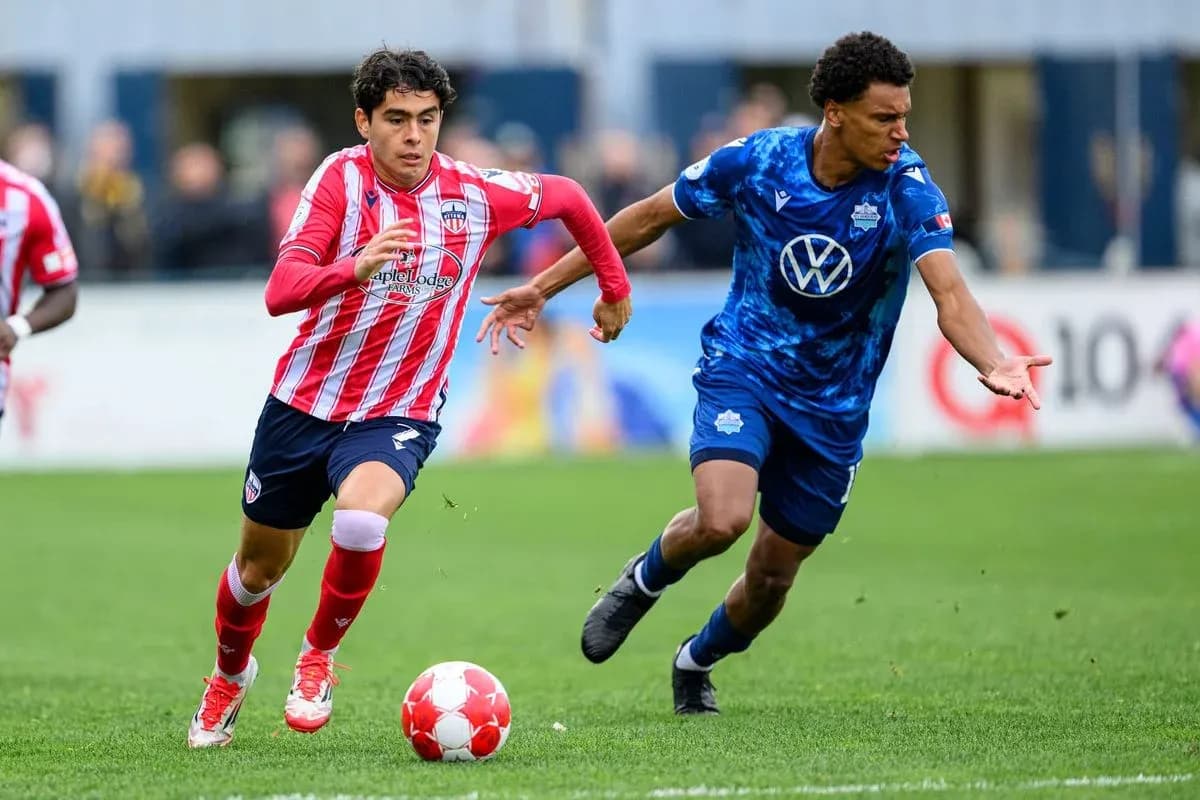
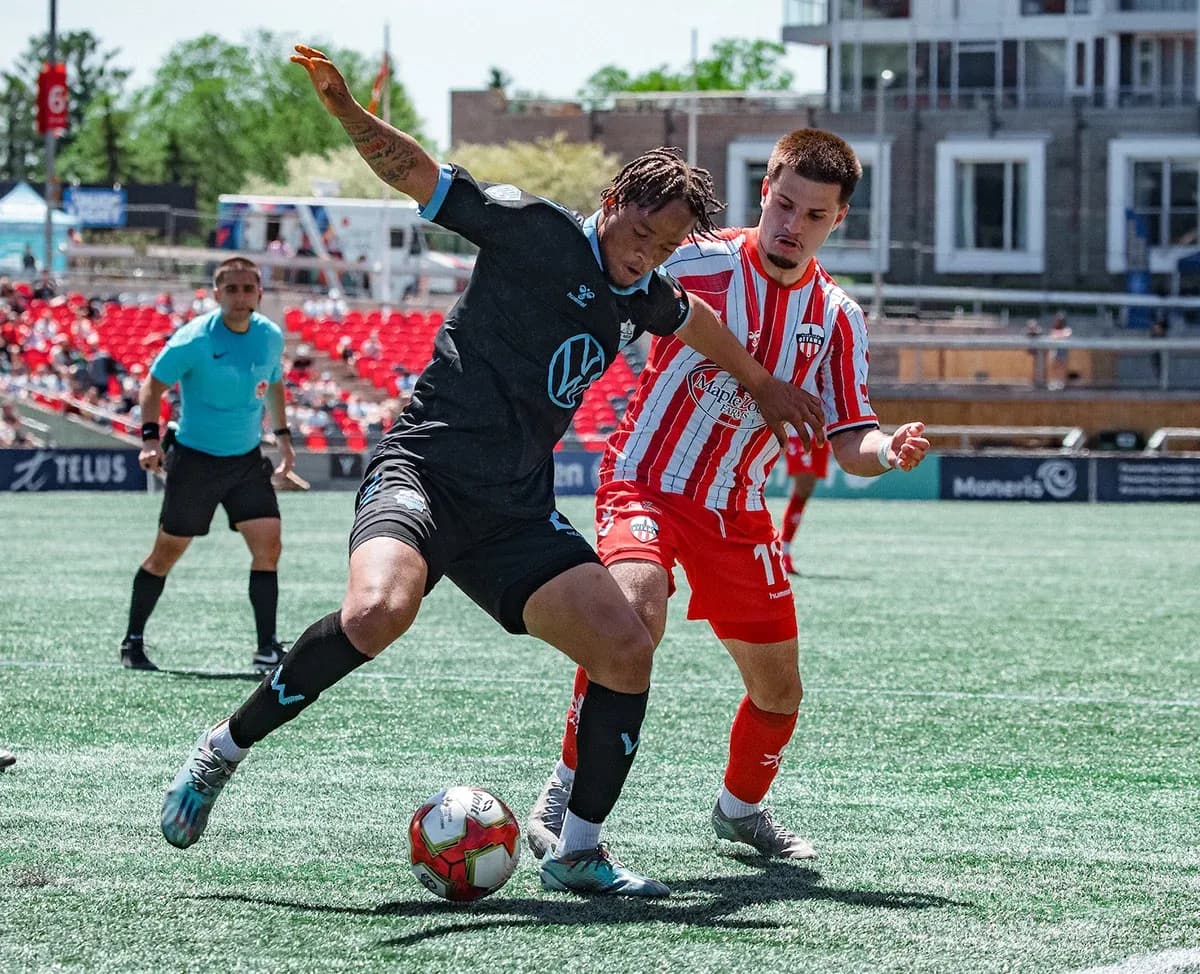
Cavalry FC host Pacific FC at ATCO Field in a Canadian Premier League group stage match that already carries heavy seasonal weight: Cavalry sit 2nd with 14 points from 6 games and are firmly in the play-off semi-final positions, while bottom-placed Pacific have just 1 point from 6 and urgently need a result to restart their campaign and avoid being cut adrift in the race for the play-offs.
Head-to-Head Tactical Summary
On 9 May 2026 in the Canadian Championship Preliminary round at Starlight Stadium, Cavalry FC beat Pacific FC 3-1 away. Cavalry led 1-0 at half-time and managed the game to a two-goal margin by full-time.
On 5 April 2026 in the Canadian Premier League group stage, again at Starlight Stadium, Cavalry won 2-1 away after leading 1-0 at half-time.
In 2025 league play, the balance was tighter. On 5 October 2025 at Starlight Stadium, the sides drew 3-3 after a 1-1 first half. Earlier, on 4 August 2025 at Starlight Stadium, Pacific won 1-0, turning a 0-0 first half into a narrow home victory. The only recent meeting at ATCO Field came on 22 June 2025, when Cavalry edged a 1-0 home win after leading 1-0 at half-time.
Overall, Cavalry have recently been more efficient in converting chances, especially away at Starlight Stadium, while games at ATCO Field have tended to be tight and low-scoring in Cavalry’s favour.
Global Season Picture
- League Phase Performance:
Cavalry FC: In the league phase they are 2nd with 14 points from 6 matches (4 wins, 2 draws, 0 losses), scoring 9 goals and conceding 3. Their home record is 1 win and 1 draw from 2 games with 4 goals for and 2 against, underlining a controlled defence (3 goals conceded overall) and steady attack (9 scored).
Pacific FC: In the league phase they are 8th with 1 point from 6 matches (0 wins, 1 draw, 5 losses), with 6 goals for and 12 against. At home they have lost all 5 games (4 scored, 10 conceded), while their single away match brought a 2-2 draw. The numbers point to a vulnerable defence (12 conceded) and an attack that has not consistently compensated (6 scored). - Season Metrics:
Scope detection: team statistics show 6 games for both sides, matching the league phase played count, so these metrics are in the league phase.
Cavalry FC: In the league phase they average 1.5 goals scored and 0.5 conceded per match (9 for, 3 against), with 3 clean sheets and only 1 match without scoring. Their discipline profile shows a spread of yellow cards across all periods, with a concentration between minutes 61–75 (4 yellows, 30.77% of their total), suggesting increased aggression in the final third of games. The use of a 4-2-3-1 in half of their matches indicates a balanced, structured approach built on control and a compact defensive block (0.5 goals conceded on average).
Pacific FC: In the league phase they average 1.0 goal scored and 2.0 conceded per match (6 for, 12 against), with no clean sheets and 2 games without scoring. Their defensive record highlights a fragile back line (2.0 goals conceded on average), and the card distribution shows a spike in yellow cards between minutes 61–75 (4 yellows, 28.57%) and a notable late-game disciplinary issue with 3 red cards, 2 of them between minutes 76–90 and 1 between minutes 91–105. They also favour a 4-2-3-1, but their inability to protect their box (12 conceded) contrasts sharply with Cavalry’s defensive efficiency. - Form Trajectory:
Cavalry FC: In the league phase their form string “WWDDW” indicates a strong, upward trajectory: three wins and two draws from their last five, with no defeats. They have combined defensive solidity with enough attacking output to keep accumulating points and maintain pressure on the top spot.
Pacific FC: In the league phase their form “LLLDL” shows a prolonged slump: four losses and one draw in the last five. The absence of a win and the recurring defeats underline a team low on confidence, especially given their heavy negative goal difference (-6) and persistent defensive leaks.
Tactical Efficiency
Without explicit numerical attack/defence indices from the comparison block, the best proxy comes from how each side converts its structure into outcomes in the league phase.
Cavalry FC’s 4-2-3-1 has produced a highly efficient balance: 1.5 goals scored per game against only 0.5 conceded, supported by 3 clean sheets and no league defeats. Their biggest home win margin (3-1) and away win margin (2-0) indicate that when they take control, they usually manage game states well and limit opposition chances. The spread of yellow cards, with no reds, suggests controlled aggression and good game management.
Pacific FC’s identical base shape (4-2-3-1) has not translated into similar efficiency. They concede four times as many goals per game as Cavalry (2.0 vs 0.5) and score less (1.0 vs 1.5), with zero wins and zero clean sheets. Their card profile, with three red cards and a high share of yellows in the final half-hour, points to a team often chasing games, over-committing, and losing defensive structure late on. Even though their away goals-for average (2.0) is higher than their home figure, the overall concession rate of 2.0 per match underlines a structurally porous defence that undermines any attacking progress.
In relative terms, Cavalry’s “attack/defence index” within this league phase is clearly superior: they turn their possession and shape into positive goal difference (+6) and points (14), while Pacific’s negative goal difference (-6) and low points total (1) reflect poor tactical efficiency at both ends of the pitch.
The Verdict: Seasonal Impact
This match has asymmetrical but significant seasonal implications for both clubs. For Cavalry FC, a home win would consolidate their position in 2nd place in the league phase and keep them firmly on course for the Canadian Premier League play-off semi-finals. With 14 points already and an unbeaten record, extending their run would maintain pressure on the leaders and give them a margin for error in the title and seeding race. Dropped points at home against the bottom side, however, would slow their momentum and could open the door for rivals to challenge their play-off positioning, especially given how tight the top of the table can become as the group stage progresses.
For Pacific FC, the stakes are more existential. Sitting 8th with just 1 point, another defeat would deepen their isolation at the bottom and make a push towards the play-off places increasingly unrealistic. Even a draw away at ATCO Field would be valuable in halting the sequence of losses and could serve as a psychological turning point, particularly after recent defeats to Cavalry in both league and cup. A win would dramatically change their outlook: it would not only add three crucial points but also demonstrate that their 4-2-3-1 can function effectively against one of the league’s most efficient sides, potentially triggering a mid-season recovery.
In forward-looking terms, the result will either reinforce the current hierarchy—Cavalry as a stable, defensively robust contender and Pacific as a struggling outsider—or mark the beginning of a narrative shift. If Cavalry impose their usual defensive control and convert chances, they strengthen their title and top-seeding credentials. If Pacific can disrupt that pattern, especially by tightening their defence and avoiding late-game disciplinary issues, they keep their season alive and re-enter the conversation for climbing away from the bottom and, over time, edging back towards the play-off race.